
Beautiful Plants For Your Interior
Beautiful Plants For Your Interior
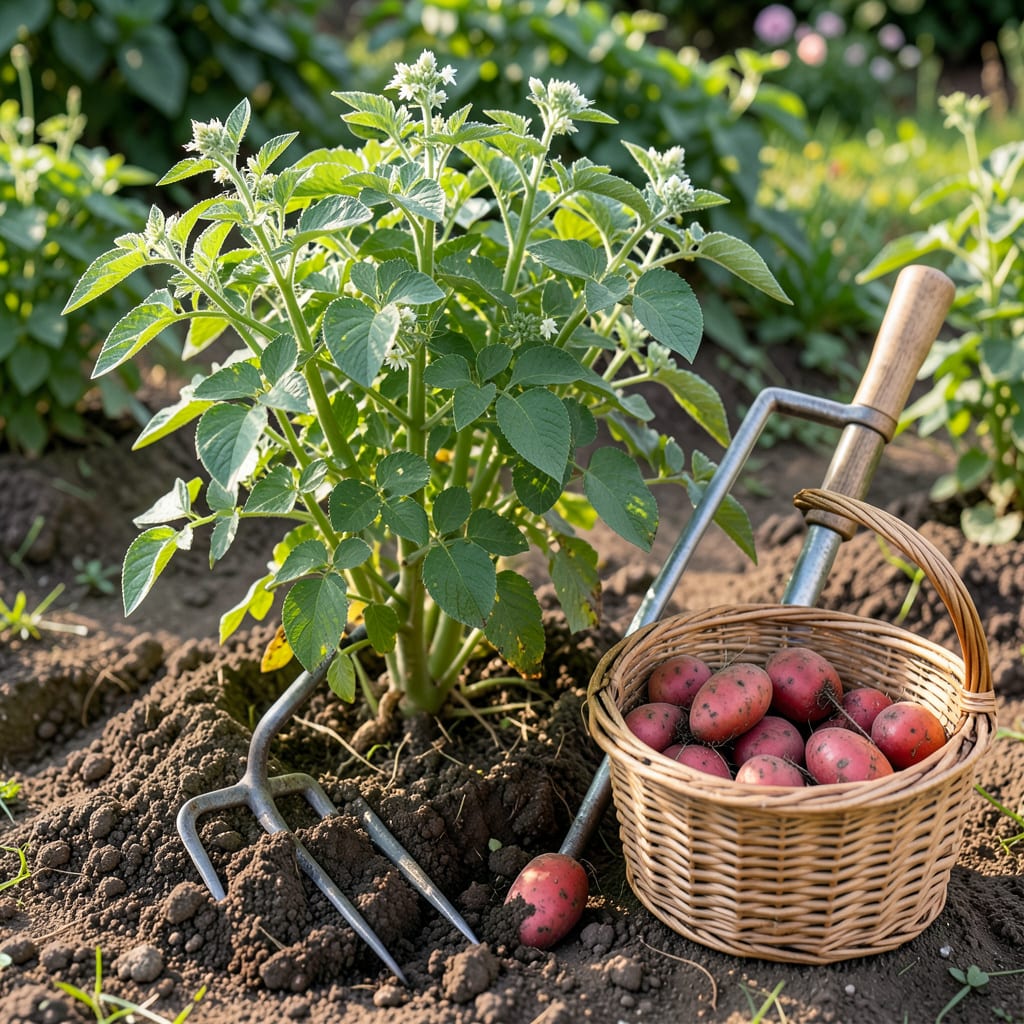
Nothing beats the satisfaction of pulling perfect 🥔 red potatoes from your garden at just the right moment. Timing is everything when it comes to harvest.
I’ll show you the field-tested signs to watch for, so you can dig them up at their peak. From foliage changes to skin set, you’ll learn how to get it right every time.


I always watch for the first clear sign that my red potatoes are ready: the foliage turns yellow and starts to die back. This is nature’s way of saying the plant is done growing. The energy shifts from leaves to tubers below.
Another sure indicator is when the skin becomes firm and resists scratching with your fingernail. This skin set means the potatoes will store well. I test a few tubers from different plants to confirm.
| Sign | What to Look For |
|---|---|
| Foliage Dieback | Leaves turn yellow and wilt |
| Skin Set | Skin doesn’t scratch off easily |
| Tuber Size | 2-5 inches in diameter |
| Flowers | Flowers have formed and dropped |
The flower stage is another clue. When red potatoes flower and those flowers drop, it’s a good sign that tubers are maturing. I check the size of a few potatoes by gently feeling around the base of the plant.
I’ve learned that early varieties mature in about 60-70 days, while maincrop types take 90-120 days. The exact timing depends on your planting date and growing conditions. Cooler climates may extend the growing period.
For the most accurate check, I dig up a test plant when I see these signs. If the potatoes are the right size and the skin stays intact, I know it’s time to harvest the rest. This simple test prevents guessing and ensures perfect timing.
The soil temperature also plays a role. I wait until soil temps are consistently above 50°F at harvest time. Colder soil can damage the tubers or make them more susceptible to disease.
I always harvest on a dry day when the soil isn’t waterlogged. Wet conditions can make digging difficult and increase the risk of rot. Morning harvesting is ideal as it allows the potatoes to dry in the sun.
Remember that red potatoes can be harvested as new potatoes when they’re small, usually about 2-3 weeks after the plants have finished flowering. These have a thinner skin and a different texture than mature potatoes.
After digging, I let my red potatoes cure in a dark, well-ventilated area for 1-2 weeks. This helps toughen the skin for better storage. Proper curing is as important as perfect harvest timing for long-term storage. 🌱
I’ve found that climate zones dramatically affect when my red potatoes are ready. In cooler regions, the growing season is longer, often pushing harvest to 90-120 days. The plants take their time maturing in the mild temperatures.
In warmer climates, the same varieties may mature in just 60-80 days. The heat speeds up growth, but I watch for premature dieback from heat stress. Early planting helps avoid this issue.
| Region | Days to Harvest | Best Planting Time |
|---|---|---|
| Cool Climate | 90-120 days | Early spring |
| Moderate Climate | 75-90 days | Mid spring |
| Warm Climate | 60-80 days | Late winter |
The soil temperature at planting affects the timeline too. I wait until soil reaches at least 45°F before planting. In my zone 6 garden, this usually means mid-March to early April planting for a June harvest.
For early harvests, I plant certified seed potatoes as soon as the soil is workable. This gives me a jump on the season. Late plantings in summer often struggle with heat and may produce smaller yields.
I adjust my expectations based on the variety too. Some red potatoes like ‘Norland’ are early maturers, ready in 70 days, while others like ‘Red Pontiac’ need the full 110 days. The seed packet always has the best estimate.
In all climates, I stop watering 1-2 weeks before harvest. This helps the skin set properly and reduces disease risk. The plants will naturally start to die back as the tubers mature. ☀️
I’ve seen many gardeners harvest too early, pulling up potatoes when the foliage is still green. This results in small, underdeveloped tubers that don’t store well. The plants need that full growing period to reach their potential.
Another common error is waiting too long after the foliage dies back. Delaying harvest can lead to disease issues or cracked skins from over-maturity. The window between perfect and problematic is smaller than many realize.
Don’t harvest when foliage is still green or soil is waterlogged. Test tubers first to confirm skin set and proper size. Overwaiting risks disease and poor storage quality.
I always test dig a plant or two when I see the first signs of readiness. If the skin rubs off easily, I know to wait a few more days. This simple check prevents the disappointment of harvesting a whole bed too soon.
Some gardeners forget that watering affects timing. I stop watering 1-2 weeks before harvest to help the skin toughen. Wet soil at harvest time can cause rot and make digging more difficult.
Finally, I avoid harvesting in extreme heat. Digging when temperatures are above 85°F can stress the plants and the potatoes. I aim for cool, dry mornings for the best results. 🌱
Gently rub a tuber with your thumb. If the skin stays intact, it’s ready. If it scratches off easily, wait 3-5 more days before testing again.
It’s best to wait until at least 50% of the foliage has yellowed. Harvesting too early results in small tubers that won’t store well.
Over-mature potatoes risk cracked skins, disease, and poor storage life. The ideal window is usually 1-2 weeks after foliage dieback.
Stop watering 1-2 weeks before harvest. This helps the skin toughen and reduces rot risk. Wet soil also makes digging more difficult.
