
Beautiful Plants For Your Interior
Beautiful Plants For Your Interior
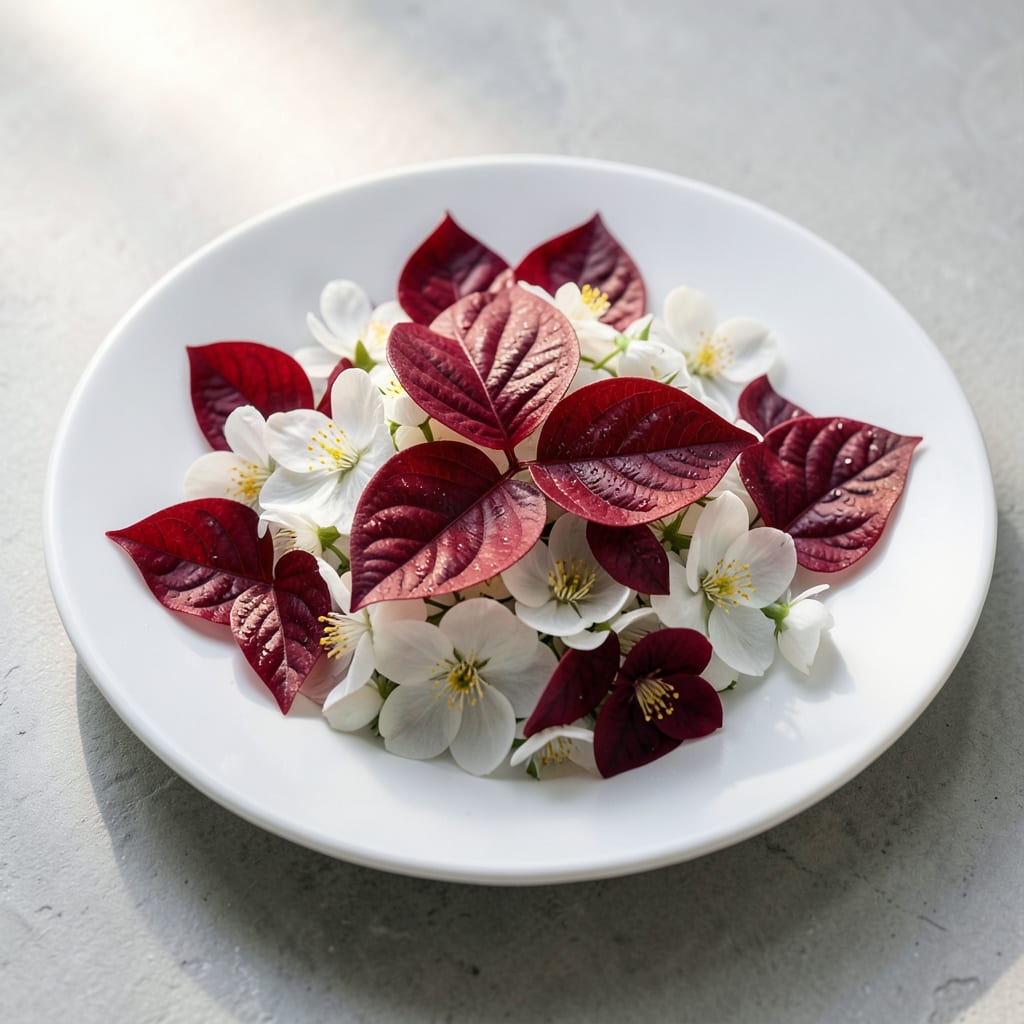
Red leaves on jasmine aren’t normal, but they’re fixable. I’ve nursed countless jasmine plants back from the brink, and the solution always starts with identifying the root cause.
Most times, it’s environmental stress—too much sun, not enough water, or a sudden temperature swing. Other culprits include nutrient deficiencies or sneaky pests hiding under foliage. The good news? Your plant isn’t doomed yet.
With a few simple checks, you’ll spot the issue fast. Adjust watering, move the plant to better light, or treat for pests, and you’ll see healthy green growth returning within 2-3 weeks.
Works for potted jasmine, garden plants, and even indoor varieties. Here’s how to diagnose and fix it.
Red leaves on jasmine plants are a clear signal that something is amiss. Understanding the underlying causes helps you address the issue effectively. Below are the most common reasons, explained with actionable insights.
Jasmine plants thrive in moderate climates. Extreme temperatures—either too hot or too cold—can stress the plant, leading to red or purplish foliage. This happens because the plant’s chlorophyll production slows down, and anthocyanins (red pigments) become more visible. Action: Move potted jasmine to a shaded area during heatwaves or indoors if temperatures drop below 40°F (4°C).
A lack of essential nutrients, particularly phosphorus or magnesium, can trigger reddening in leaves. Phosphorus deficiency often causes a deep reddish-purple hue on older leaves, while magnesium deficiency may lead to interveinal redness. Action: Test your soil and amend it with a balanced fertilizer (e.g., 10-10-10) or organic matter like compost.
Fungal diseases, such as rust or leaf spot, can cause red or brownish spots on jasmine leaves. These infections thrive in damp, poorly ventilated conditions. Action: Improve air circulation, avoid overhead watering, and apply a copper-based fungicide if the problem persists.
Excess water or waterlogged roots can suffocate the plant, leading to stress and discoloration. Roots deprived of oxygen struggle to absorb nutrients, resulting in red or yellowing leaves. Action: Ensure your jasmine is planted in well-draining soil and reduce watering if the soil feels soggy.
Pests like spider mites or aphids can weaken jasmine plants by sucking sap from the leaves, causing stress and color changes. Action: Inspect the undersides of leaves for pests and treat with insecticidal soap or neem oil if needed.
When your jasmine’s leaves turn red, the fix often starts with adjusting its care. Below are targeted solutions for the most common causes, plus tips to keep your plant thriving long-term.
Red or purple-tinged leaves often signal a phosphorus or magnesium deficiency. Use a balanced, water-soluble fertilizer (10-10-10 or 20-20-20) every 4-6 weeks during the growing season. For magnesium, sprinkle 1 tablespoon of Epsom salt per gallon of water around the base monthly. Prevention tip: 💡 Test your soil annually to catch imbalances early.
Jasmine prefers 60–75°F (15–24°C). If leaves redden after a cold snap or heatwave, move potted plants to a shadier spot or indoors temporarily. For in-ground plants, mulch heavily to insulate roots. Prevention tip: ✨ Avoid placing jasmine near drafty windows or heaters.
Soggy soil suffocates roots, leading to stress and discoloration. Let the top 1–2 inches of soil dry out between waterings. Ensure pots have drainage holes, and use a well-draining potting mix with perlite or sand. Prevention tip: 🌱 Stick your finger in the soil—if it’s damp, wait to water.
Reddish spots with yellow halos may indicate leaf blight or rust. Remove infected leaves immediately and apply a copper-based fungicide every 7–10 days until symptoms fade. Prevention tip: 🎯 Space plants for airflow and avoid overhead watering to reduce humidity.
With these fixes, your jasmine should regain its vibrant green in no time. Consistency in care is key!
Yes, if the issue is caught early. Leaves affected by minor stress like temperature swings or nutrient deficiencies can recover within 2-3 weeks of proper care. Severely damaged leaves may not, but new growth will be healthy.
A 1:10 baking soda and water solution can help mild fungal problems. Spray it on affected leaves weekly until the issue resolves. For stubborn infections, use a copper-based fungicide for better results.
Apply a balanced fertilizer every 4-6 weeks during growing season. If using Epsom salt for magnesium, limit to once a month. Over-fertilizing can cause more stress, so always follow package instructions.
