
Beautiful Plants For Your Interior
Beautiful Plants For Your Interior
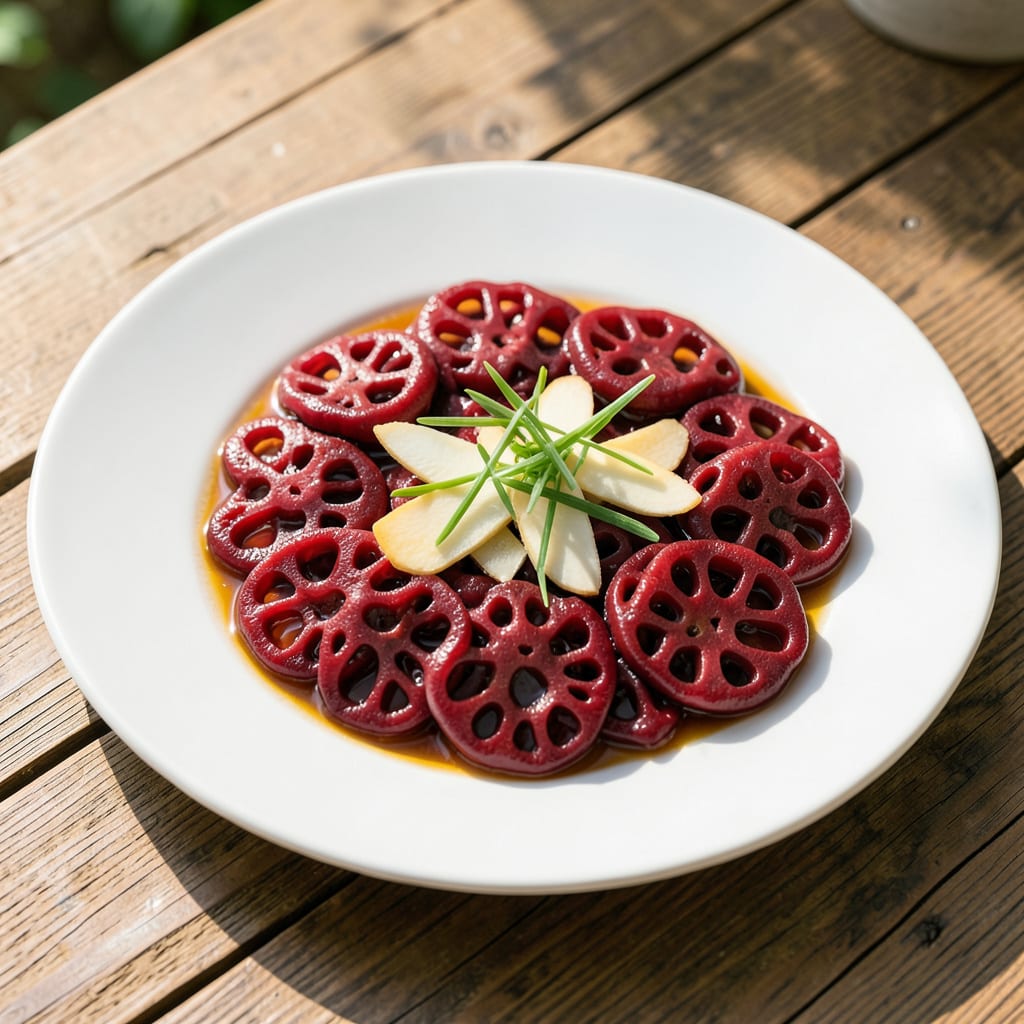
Spotted red fungus with tiny holes in your garden? I’ve seen this unsettling sight more times than I’d like to admit, and it always signals trouble for plants.
This isn’t just ugly—it’s a warning sign. The holes often mean the fungus is spreading, while red coloring can indicate advanced infection. Left unchecked, it weakens plants and stunts growth.
Good news: natural remedies work. From baking soda sprays to neem oil treatments, I’ve tested simple solutions that stop the spread without harsh chemicals. Early action saves plants.
Prevention is easier than cure. Proper spacing and good airflow keep this from returning next season.
The appearance of red fungus with holes is often tied to specific environmental and biological factors. Below are the primary causes, explained scientifically and actionably.
Certain fungi, like Fomes or Ganoderma species, infect trees or wood, breaking down lignocellulose. As they decompose the host, they create porous, hole-riddled structures. These fungi thrive in damp, poorly ventilated areas, accelerating decay.
When wood is exposed to prolonged moisture and oxygen, it becomes a prime target for saprotrophic fungi. These organisms feed on dead organic matter, forming red or brownish fruiting bodies with a spongy, hole-filled texture as they release enzymes to break down cellulose.
Extreme shifts in temperature or humidity can stress fungal growth, leading to abnormal formations. High humidity encourages fungal spread, while sudden dry spells may cause the fungus to develop cracks or holes as it dries unevenly.
Some beetles and borers lay eggs in fungal bodies or infected wood. As larvae hatch, they tunnel through the fungus, creating small holes. This is common in bracket fungi growing on dead trees, where insects accelerate the breakdown process.
Dealing with red fungus that has holes can be frustrating, but there are effective ways to address it. Below are practical solutions tailored to common causes, along with prevention tips to keep it from returning.
If excess moisture is the culprit, start by reducing watering frequency. Ensure your plants or surfaces have proper drainage to prevent waterlogging. Use well-draining soil or materials, and consider adding a layer of sand or gravel to improve airflow. Prevention tip: 💡 Always check soil moisture before watering—stick your finger an inch into the soil to test dryness.
For fungal growth, a natural fungicide like neem oil or a baking soda solution (1 tsp baking soda + 1 quart water + a few drops of dish soap) can work wonders. Spray the affected area thoroughly and repeat every 5–7 days until the fungus clears. Prevention tip: ✨ Keep your garden or storage areas clean and free of decaying organic matter, which can harbor fungal spores.
If pests are creating holes in the fungus, identify the culprits (e.g., slugs, beetles) and remove them manually or with organic pesticides like diatomaceous earth. Apply treatments in the early morning or late evening for best results. Prevention tip: 🎯 Regularly inspect plants and surfaces for early signs of pests to act before they spread.
Fungus thrives in humid environments. Increase airflow with fans, open windows, or dehumidifiers to reduce moisture levels. For indoor plants, space them apart to allow air circulation. Prevention tip: 🌡️ Maintain humidity levels below 60% in indoor spaces where fungus is a recurring issue.
Yes, some red fungi can spread spores that infect healthy plants, especially in damp conditions. Act quickly to remove it and treat surrounding soil with natural fungicides like neem oil.
Cut out infected wood or plant parts immediately and dispose of them in sealed bags. Then apply a baking soda spray (1 tsp baking soda + 1 quart water) to the area.
Improve drainage, increase airflow, and avoid overwatering. Regularly clean garden debris where spores hide. Prevention is easier than cure.
