
Beautiful Plants For Your Interior
Beautiful Plants For Your Interior
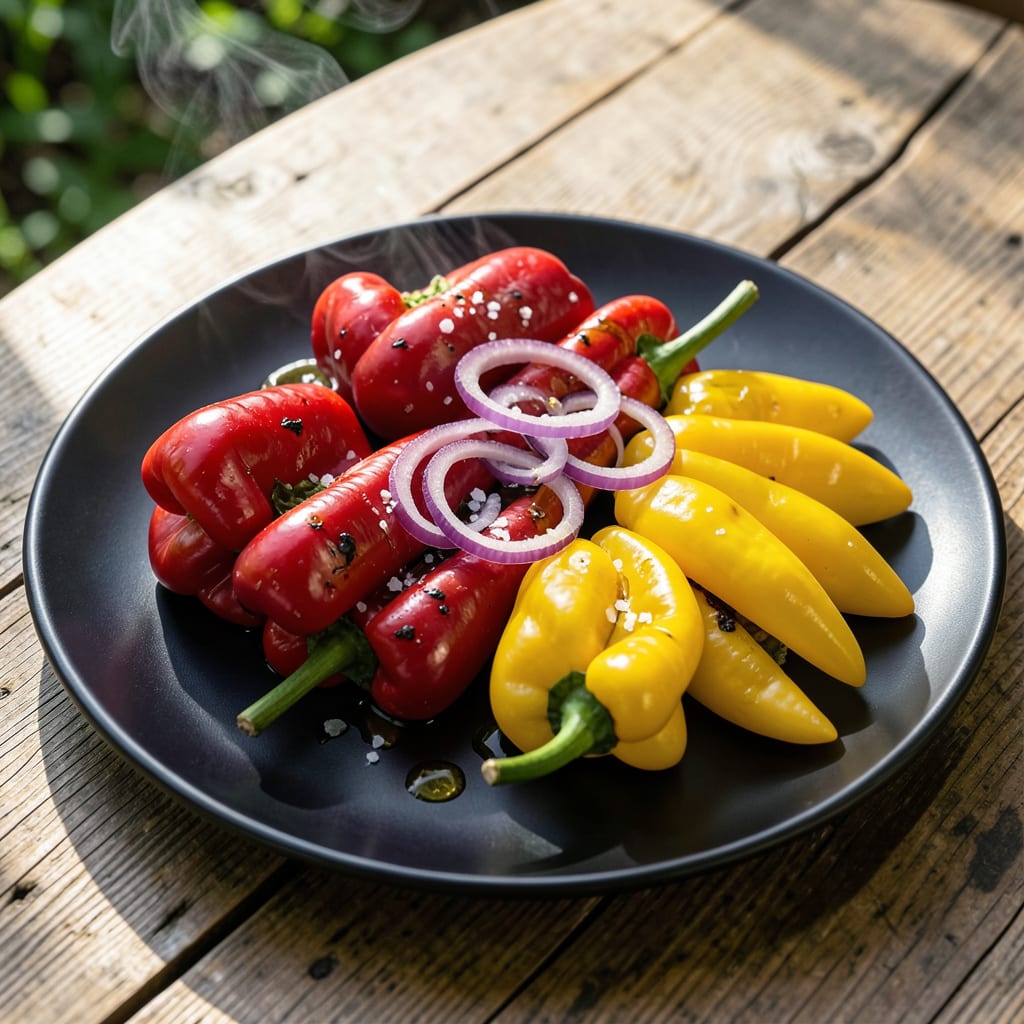
I used to pick peppers too early and wonder why they tasted bland. Timing changes everything with red and yellow varieties—they need that extra week or two on the vine to develop their full, sweet flavor.
You’ll know they’re ready when they’re firm, glossy, and have reached their mature color. The difference between an almost-ready pepper and a perfectly ripe one is night and day in both taste and texture.
📚 In This Guide
Here’s the method I use every season to pick peppers at their flavor peak.
Red and yellow peppers often start green before ripening to their final color. Most varieties take 60-90 days from planting to reach maturity. I check the seed packet or plant tag for the exact days to maturity for my specific type.
You’ll notice the color change begins at the stem end and gradually spreads downward. This is your first visual cue that the pepper is transitioning to its ripe stage. Different varieties have different color progression patterns, so observe your plants daily once they start changing.
For red peppers, wait until they turn a deep, consistent red all over. Yellow types should be a bright, sunny yellow with no green streaks. The skin should look glossy and feel firm when gently squeezed. This is when the sugar content is highest, giving you that sweet crunch.
I test one pepper from each plant when it first starts changing color. A quick taste tells me if the others are ready. If it’s still a bit bitter or grassy, I give the rest another 3-5 days before checking again. The flavor develops rapidly in these final days.
Pick your peppers in the early morning after the dew has dried but before the heat of the day sets in. This is when they’re most crisp and hydrated. I bring a sharp pair of scissors or pruning shears to avoid damaging the plant.
Cut the stem about ½ inch above the pepper. Never pull or twist the fruit off, as this can break branches or uproot shallow-rooted plants. If you see any peppers with soft spots or wrinkled skin, harvest those immediately—they’re past their prime and won’t store well.
Fully ripe peppers will feel heavy for their size and have a slight give when pressed gently. The stem should still be green and firm. If the stem is drying out or turning brown, the pepper may be overripe.
I also look at the plant’s overall condition. If the leaves start yellowing or the plant shows signs of stress, I harvest all mature peppers immediately, even if some haven’t fully colored. A stressed plant won’t produce the sweetest fruit.
For continuous harvests, pick peppers as soon as they reach their mature color. This encourages the plant to produce more. I typically get 2-3 harvests per plant over the growing season when I stay on top of picking.
Small details make a big difference when harvesting peppers at their sweetest.
Variety Timing: Most red and yellow peppers take 60-90 days from planting to maturity, but always check your seed packet. The days to maturity can vary by variety, and this timing is your best guide for when to start checking for ripeness.
Color Progression: Watch for the color change to begin at the stem end and spread downward. In Step 2, when you notice this happening, start testing peppers daily. The transition from green to red or yellow isn’t always uniform, so don’t be misled by partial coloring.
Harvest Technique: In Step 3, always use sharp scissors or pruning shears to cut the stem about ½ inch above the pepper. Pulling or twisting can damage the plant and reduce future harvests. This gentle approach also prevents bruising the fruit.
Continuous Harvest: For the best production, pick peppers as soon as they reach full color. This encourages the plant to produce more, and I’ve found it typically yields 2-3 harvests per plant when done consistently throughout the season.
Harvest when they’re fully colored, firm, and glossy—usually 60-90 days after transplanting. Red peppers often ripen later than yellow ones.
They may need more time or sunlight. Some varieties stay green until fully mature. Ensure they get 6-8 hours of sunlight daily.
Yes, but they’ll taste milder. For sweeter flavors, wait until they turn red or yellow. Early picking can also encourage more fruit production.
Keep them in the fridge in a plastic bag for up to 1-2 weeks. For longer storage, freeze or pickle them.
Red peppers are typically sweeter and riper, while yellow peppers have a milder, slightly tangy taste. Both are great raw or cooked!
