
Beautiful Plants For Your Interior
Beautiful Plants For Your Interior
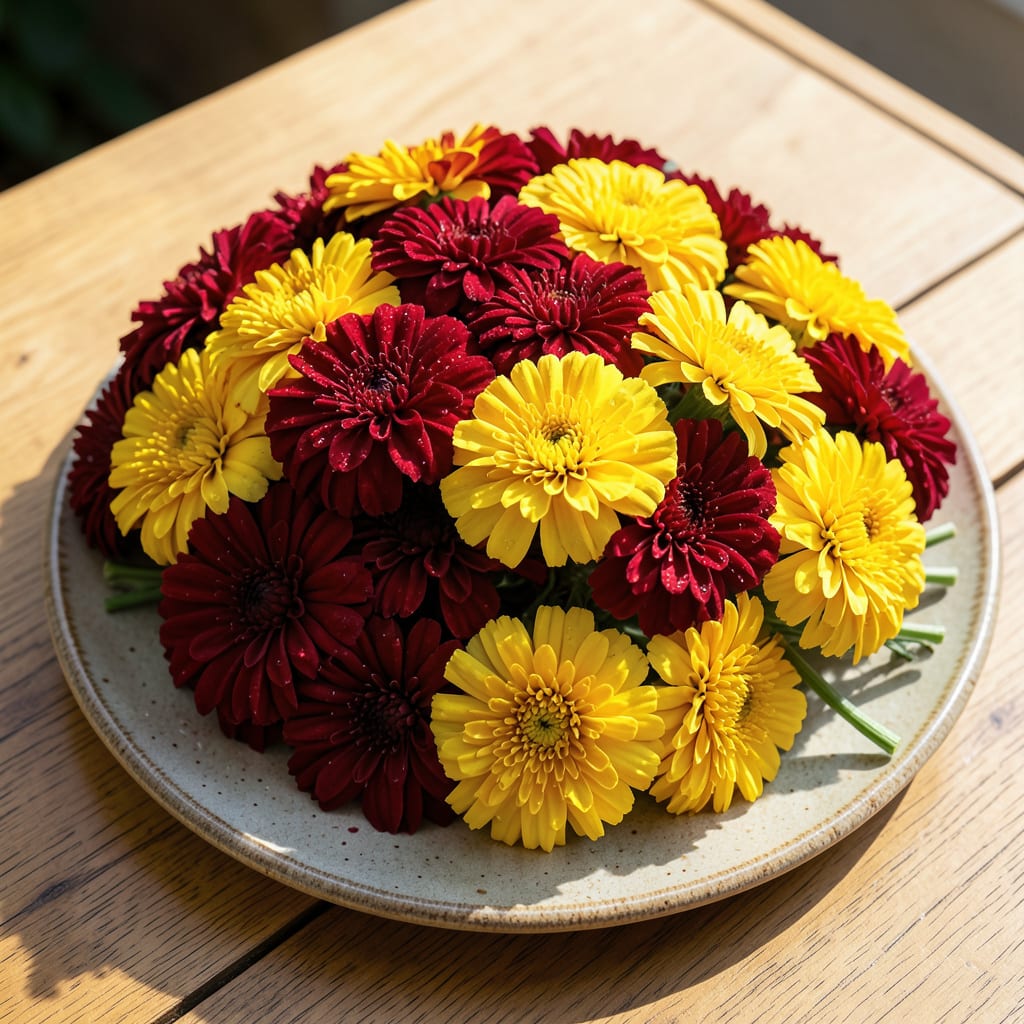
These fiery blooms transformed my garden from bug buffet to pest-free paradise. 🌼 Red and yellow marigolds pack a one-two punch with their vibrant colors and natural insect-repelling properties.
I planted my first row between tomatoes and peppers, and within 2 weeks noticed fewer aphids and whiteflies. They thrive in full sun with minimal care, making them the ultimate low-maintenance garden guardians.
📚 In This Guide
Here’s my tried-and-true method for vibrant, pest-resistant blooms that thrive with minimal fuss.
Select Tagetes erecta for bold yellows and oranges or Tagetes patula for the deepest reds and mahogany tones. I always check seed packets for the mature height—dwarf varieties stay under 12 inches, while tall types reach 3 feet. Full sun is non-negotiable; these plants demand 6-8 hours of direct sunlight daily.
Pick a spot with well-draining soil. Marigolds rot in soggy ground, so avoid low-lying areas where water pools. If your garden has heavy clay, amend with compost to improve drainage before planting. Test drainage by digging a 1-foot hole and filling it with water—if it drains within 1 hour, you’re good to go.
Start seeds indoors 6-8 weeks before the last frost for earlier blooms. Use a seed-starting mix and sow seeds ¼ inch deep. Keep the soil at 70-75°F for germination, which takes 5-14 days. I place trays on a heat mat and cover them with a humidity dome to speed things up.
For direct sowing, wait until soil warms to 60°F. Plant seeds 1 inch apart in rows 12 inches apart. Thin seedlings to 8-10 inches apart once they show first true leaves. This spacing prevents overcrowding and ensures each plant gets enough light and air circulation.
Water deeply at the base once or twice weekly, allowing the top 1 inch of soil to dry out between waterings. Marigolds are drought-tolerant, so it’s better to underwater than overwater. I use a soaker hose to keep foliage dry and prevent mildew.
Fertilize sparingly—a light application of balanced 10-10-10 fertilizer every 4-6 weeks is plenty. Too much nitrogen produces lush foliage at the expense of flowers. Deadhead spent blooms regularly to encourage continuous flowering throughout the season.
Pinch back the first set of blooms to promote bushier growth. This might feel counterintuitive, but it results in more flowers long-term. Watch for pests like aphids or spider mites—marigolds repel many insects, but they’re not immune. A strong blast of water or neem oil spray handles most infestations.
Mulch around the base with 2 inches of organic mulch to retain moisture and suppress weeds. Keep mulch away from stems to prevent rot. If your plants start to look leggy, it’s a sign they need more light or a light trim to rejuvenate them.
Cut flowers in the morning when buds are just beginning to open. Use clean, sharp shears to snip stems just above a set of leaves. This encourages new growth and more blooms. Marigolds last 5-7 days in a vase if you change the water daily.
For dried flowers, hang stems upside down in a dark, well-ventilated area for 2-3 weeks. Once fully dry, remove the petals and store them in an airtight container. These petals add color to potpourri or can be used to make natural dyes.
The details that separate good from great with these vibrant plants.
Sunlight Essential: Those 6-8 hours of direct sunlight are non-negotiable. I learned this the hard way after planting some in partial shade—they grew tall and leggy but barely bloomed. Position them where they’ll get full morning and afternoon sun for the best results.
Drainage Test: The 1-foot hole test in Step 1 is your best friend. If water doesn’t drain within 1 hour, mix in compost or sand to improve drainage. Soggy roots are the fastest way to kill marigolds, and they’ll thank you with healthier growth.
Germination Tip: For indoor starts, maintaining that 70-75°F soil temperature is key. A heat mat under your seed trays can shave days off the 5-14 day germination window, giving you earlier blooms. Don’t skip the humidity dome—it keeps moisture consistent.
Spacing Matters: When direct sowing, stick to the 8-10 inch spacing after thinning. Overcrowding leads to weak stems and fewer flowers. I use a ruler the first time to get it right—it’s worth the extra minute to avoid problems later.
Marigolds contain compounds like limonene and alpha-terthienyl, which deter pests like nematodes, aphids, and whiteflies. Their strong scent masks other plants, confusing pests and keeping them away.
Plant marigolds in spring after the last frost, when soil temperatures reach 70°F (21°C). They thrive in warm weather and bloom best with full sun exposure.
Yes! Marigolds adapt well to containers. Use well-draining pots (6-12 inches deep) and water regularly. Dwarf varieties like ‘French Marigold’ work especially well for small spaces.
Lack of sunlight, over-fertilizing (especially with nitrogen), or poor soil drainage can reduce blooms. Ensure 6+ hours of sun, use balanced fertilizer, and avoid waterlogged soil.
Pair them with tomatoes, peppers, or basil to enhance pest protection. Avoid planting near legumes, as marigolds may stunt their growth.
