
Beautiful Plants For Your Interior
Beautiful Plants For Your Interior
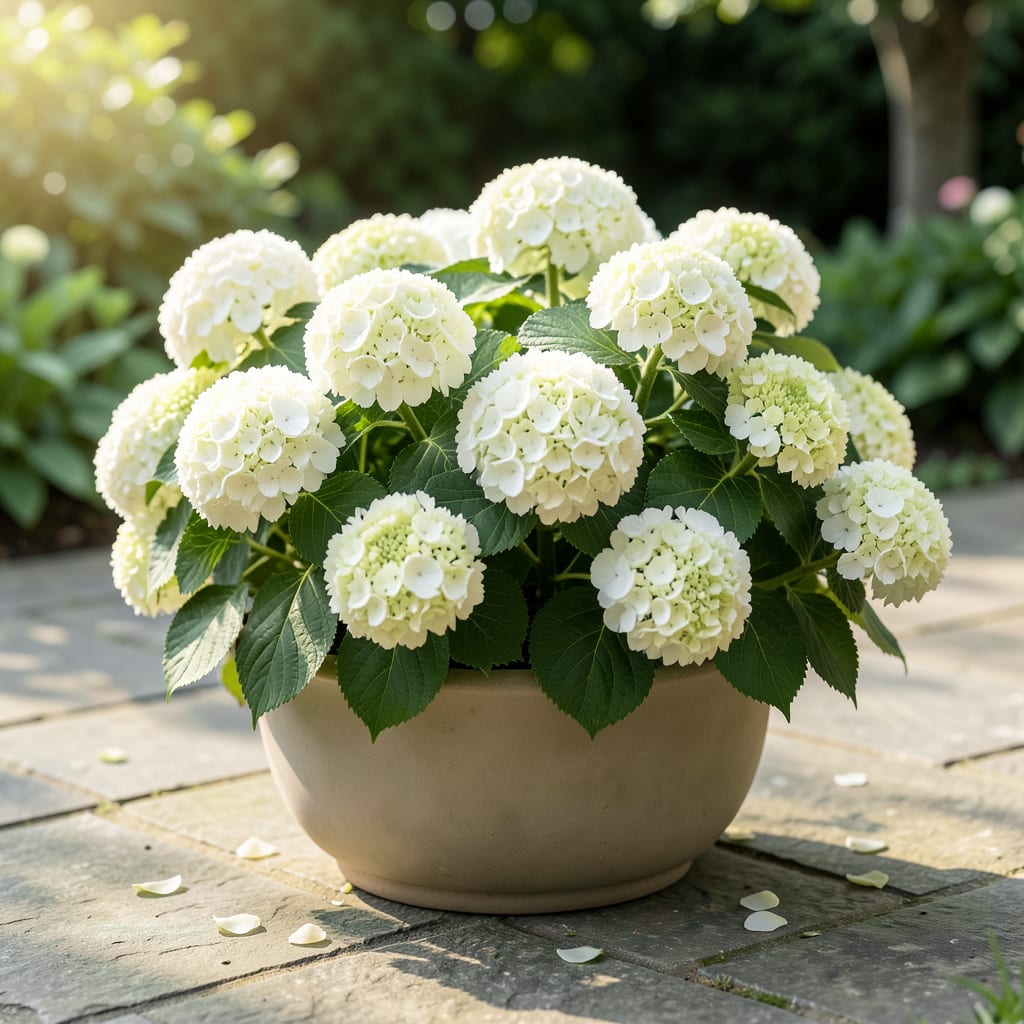
This hydrangea changed my summer garden forever. Quick Fire White blooms appear weeks earlier than other varieties, and those panicles just keep coming through fall.
Cold hardy to zone 3, it thrives with minimal fuss—just plant in well-drained soil, give it morning sun, and watch it grow 3-5 feet in a season. The white flowers fade to soft green as they age, creating a stunning, evolving display.
📚 In This Guide
Here’s how I get these beautiful shrubs established and blooming in record time.
Quick Fire hydrangeas thrive in partial to full sun, but they appreciate afternoon shade in hotter climates. I always choose a spot with well-draining soil—these plants despise soggy roots. Test drainage by digging a 12-inch deep hole, filling it with water, and checking if it drains within an hour.
Avoid low-lying areas where water pools after rain. The soil pH isn’t critical for this variety, but if your soil is extremely alkaline or acidic, consider amending it slightly. These shrubs adapt well, but neutral to slightly acidic soil (6.0-7.0 pH) encourages the best growth.
Dig a hole that’s twice as wide as the root ball but no deeper. Loosening the soil around the edges helps roots spread quickly. I mix a handful of compost into the native soil to give the plant a nutrient boost without overwhelming it.
If your soil is heavy clay, add a bit of coarse sand or pine bark fines to improve drainage. For sandy soil, a little peat moss helps retain moisture. The goal is a loose, friable mix that roots can penetrate easily—this speeds up establishment and encourages rapid growth.
Gently remove the hydrangea from its container and loosen any circling roots. Place it in the hole so the top of the root ball sits 1-2 inches above the surrounding soil—this prevents settling and keeps the crown from rotting. Backfill with the amended soil, pressing lightly to eliminate air pockets.
Water deeply immediately after planting, soaking the root zone until the soil is saturated. I use a slow trickle from the hose for 10-15 minutes to ensure the water reaches deep. A 2-3 inch layer of mulch around the base (keeping it away from the stems) helps retain moisture and suppress weeds.
For the first 2-3 weeks, water every 2-3 days unless rain provides an inch of moisture. After that, taper off to once a week, but always check the soil—if the top 1-2 inches feel dry, it’s time to water. These hydrangeas establish quickly, but consistent moisture is key to rapid growth.
Fertilize lightly with a balanced, slow-release fertilizer after the first set of new leaves appears. Avoid high-nitrogen products, as they promote leafy growth at the expense of flowers. A light application in early spring and again in early summer is all these vigorous shrubs need.
Quick Fire hydrangeas bloom on new wood, so pruning in late winter or early spring encourages more flowers. I cut back the stems by one-third their height, removing any dead or weak growth. This stimulates fresh, sturdy shoots that produce abundant blooms.
If the plant looks leggy or overgrown, don’t hesitate to trim it more aggressively. These hydrangeas bounce back fast, and a good pruning often results in a fuller, more compact shrub with even more white flowers.
These insights will help you establish vibrant, blooming shrubs without the guesswork.
Site Selection Secret: In Step 1, that drainage test is non-negotiable. If water doesn’t drain from your 12-inch hole within an hour, reconsider the location or amend the soil heavily. I learned this the hard way after losing two plants to root rot in a low-lying spot that seemed fine at first glance.
Planting Depth Matters: The 1-2 inches above soil level in Step 3 isn’t arbitrary—it accounts for natural settling. Planting at ground level or below almost guarantees crown rot. Press the soil gently but firmly around the root ball to eliminate those air pockets that can desiccate new roots.
Watering Wisdom: During those first 2-3 weeks in Step 4, don’t just water the surface. That 10-15 minute slow trickle ensures moisture reaches the entire root zone. I use a simple trick: place a tuna can in the planting area—when it’s full, you’ve watered enough. And remember, mulch should never touch the stems.
Pruning Pro Tip: When pruning in Step 5, make your cuts just above a leaf node or bud. This encourages branching at that point, creating a fuller plant. The one-third rule is a guideline—if your shrub is overgrown, you can safely remove up to half without harming it. These hydrangeas are remarkably forgiving.
This hydrangea grows quickly, often reaching 6-8 feet tall and wide in just a few years. Expect vibrant white blooms as early as the first growing season!
Plant in early spring or fall for best results. This gives the roots time to establish before extreme heat or cold sets in.
Consider Limelight Hydrangea for similar fast growth or Annabelle Hydrangea for classic white blooms. Both thrive in similar conditions.
Check sunlight (partial shade is ideal), soil moisture, and pruning timing. Avoid heavy pruning in fall, as buds form on old wood.
