
Beautiful Plants For Your Interior
Beautiful Plants For Your Interior
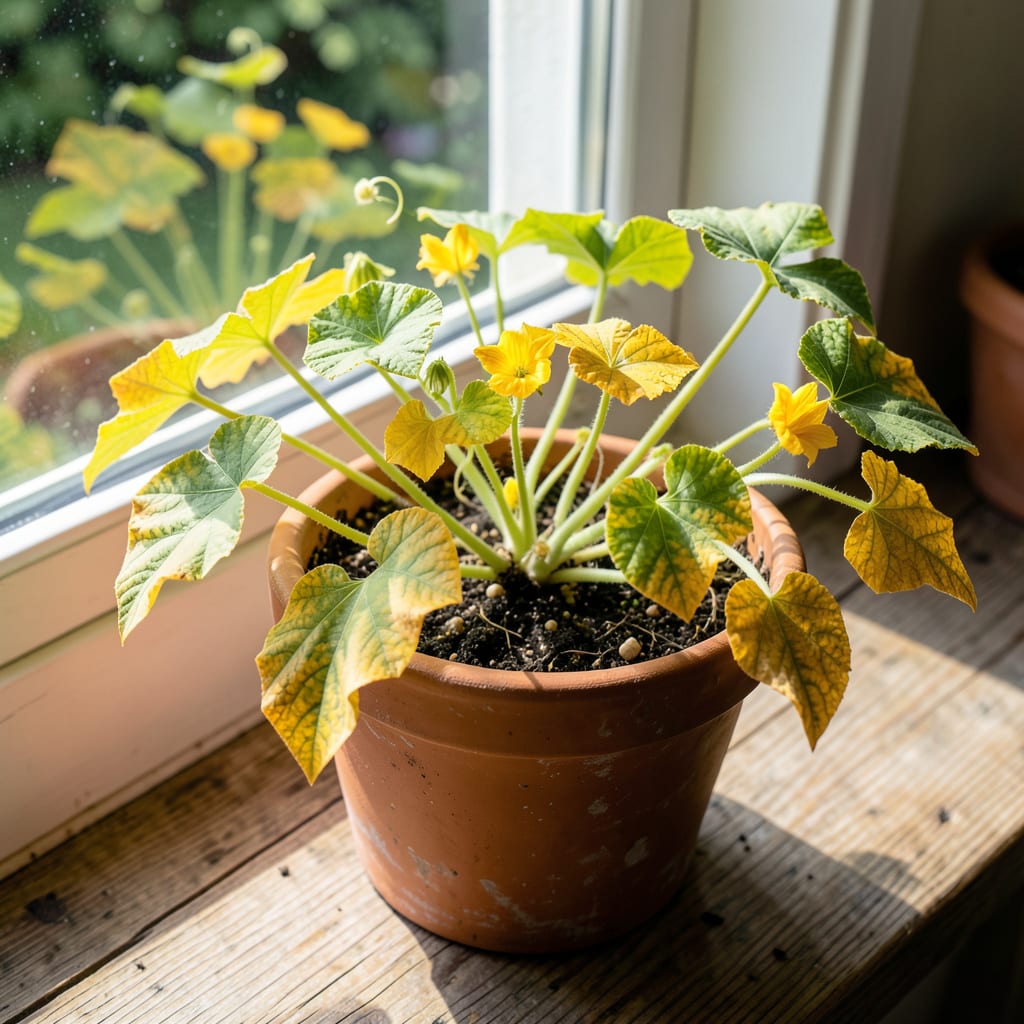
Nothing stings like watching your pumpkin seedlings fade from green to sickly yellow overnight. I’ve been there—staring at wilted leaves wondering what went wrong after all that careful planting.
Here’s the thing—yellowing usually signals overwatering or soil pH problems, not disease. Most gardeners drown their seedlings with good intentions, or plant in soil that’s too acidic for pumpkins to thrive.
Fix it fast with better drainage and a soil test. Within 3-5 days, you’ll see recovery if you catch it early. The difference between yellow crisis and vigorous growth is often just adjusting your approach.
Works for container and in-ground plants alike. Let’s save those seedlings before they’re beyond help.
Yellowing pumpkin seedlings often signal underlying issues that disrupt their growth. Below are the most common causes, explained with actionable insights.
Nitrogen, iron, or magnesium shortages can turn leaves yellow. Nitrogen deficiency typically causes uniform yellowing of older leaves, while iron or magnesium shortages create interveinal chlorosis (yellowing between veins). Test soil with a kit and amend with compost or targeted fertilizers (e.g., Epsom salt for magnesium).
Excess water suffocates roots, reducing oxygen uptake and nutrient absorption. This leads to yellowing leaves, often accompanied by wilting. Ensure pots have drainage holes and soil is well-aerated. Water only when the top inch of soil is dry.
Pumpkins thrive in 70–85°F (21–29°C). Cold snaps or heatwaves disrupt chlorophyll production, causing yellowing. Use row covers for cold nights or shade cloth for extreme heat to stabilize conditions.
Sap-sucking pests like aphids or spider mites drain nutrients, leading to stippled yellowing or curled leaves. Inspect undersides of leaves and treat with neem oil or insecticidal soap at first signs.
Pumpkins prefer slightly acidic to neutral soil (pH 6.0–7.0). High alkalinity locks out essential nutrients like iron. Test soil pH and amend with sulfur (to lower pH) or lime (to raise pH) as needed.
Tackling yellowing pumpkin seedlings starts with identifying the root cause. Below are targeted fixes for common issues, along with prevention tips to keep your plants thriving.
Fix: Reduce watering frequency and ensure the soil drains well. Let the top inch of soil dry out between waterings. If the soil is waterlogged, improve drainage by mixing in compost or perlite. Transplant seedlings to raised beds if the area stays soggy.
Prevention: Use well-draining soil and pots with drainage holes. Water in the morning to allow excess moisture to evaporate during the day. 💡 Pro tip: Stick your finger in the soil—if it feels damp an inch down, hold off on watering.
Fix: For nitrogen deficiency (uniform yellowing), apply a balanced, water-soluble fertilizer or side-dress with compost. If yellowing appears between leaf veins (iron deficiency), use chelated iron or lower the soil pH to 6.0–6.5 with sulfur.
Prevention: Test soil before planting and amend with organic matter. Feed seedlings with a mild fertilizer every 2–3 weeks during early growth.
Fix: Inspect leaves for aphids, spider mites, or cucumber beetles. Blast pests off with water or use insecticidal soap or neem oil. For severe infestations, introduce beneficial insects like ladybugs.
Prevention: Rotate crops yearly and remove plant debris to discourage pests. Use row covers early in the season to protect seedlings.
Fix: If seedlings are leggy and pale, move them to a sunnier spot (6–8 hours of direct light daily). Protect them from cold snaps with cloches or row covers. For heat stress, provide afternoon shade and mulch to retain soil moisture.
Prevention: Start seeds indoors or delay planting until soil temperatures reach 60°F. Acclimate seedlings gradually to outdoor conditions.
Water when the top 1 inch of soil feels dry. Typically, this means 2-3 times per week in well-draining soil. Overwatering is a leading cause of yellowing, so always check soil moisture first.
For nitrogen, use a balanced liquid fertilizer. For iron, apply chelated iron or Epsom salt for magnesium. Results appear in 3-5 days with proper treatment.
Severely yellow leaves won’t recover, but new growth will be healthy once the underlying issue is fixed. Remove damaged leaves to redirect energy to healthy growth.
Use a soil test kit from garden centers. Collect samples from 4-6 inches deep for accurate results. Adjust with sulfur or lime as needed for pH 6.0-7.0.
