
Beautiful Plants For Your Interior
Beautiful Plants For Your Interior
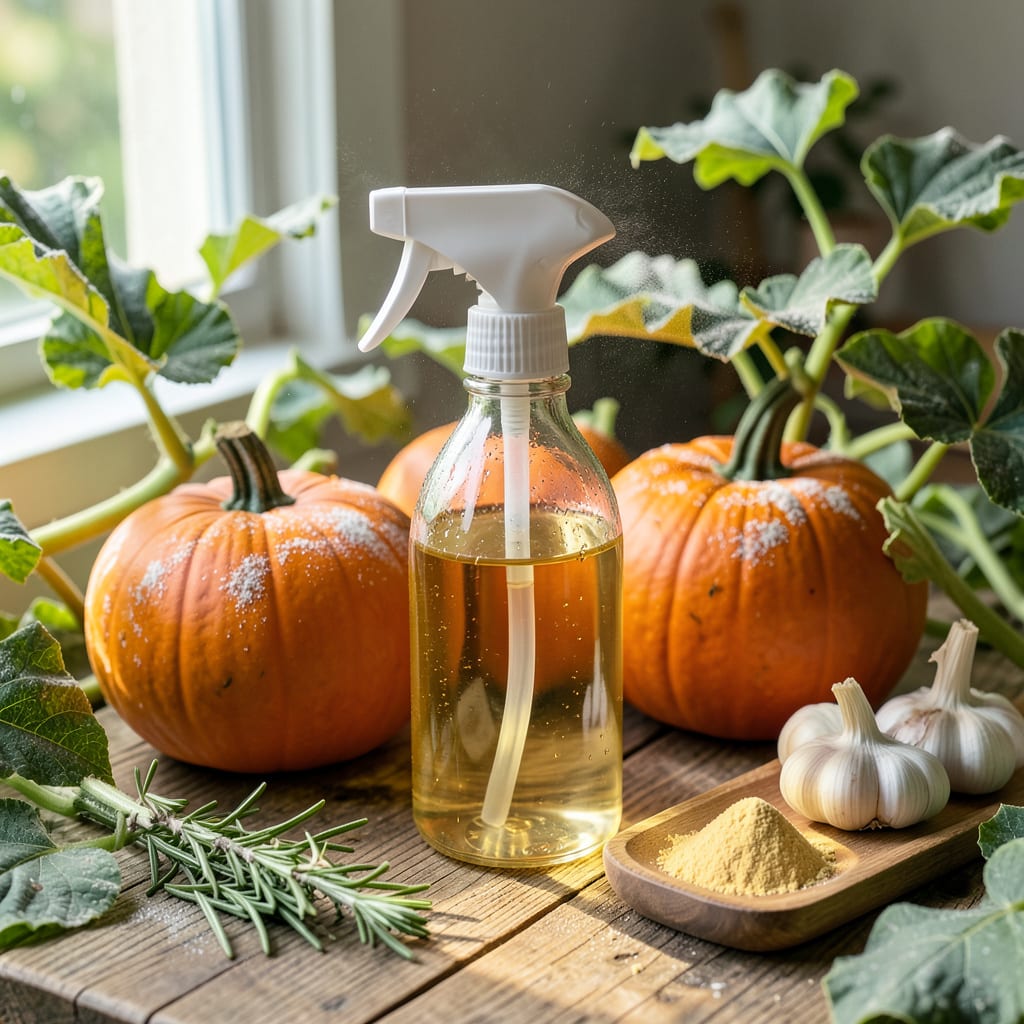
That white powder on your pumpkin leaves isn’t dust—it’s trouble. I lost half my patch one year before learning to stop powdery mildew in its tracks with simple, organic solutions.
This fungal invader spreads fast in humid weather, turning healthy vines into stunted, unproductive plants. The key is catching it early—those first white spots on upper leaves are your warning sign to act immediately.
Neem oil, baking soda sprays, and proper spacing can reverse the damage and protect your harvest. I’ve tested these methods myself and seen vines bounce back within 7-10 days of treatment.
Prevention beats cure every time. Morning watering, good airflow, and resistant varieties keep this problem from starting in the first place.
Powdery mildew on pumpkins is a common fungal disease that thrives under specific conditions. Understanding its root causes helps in prevention and targeted treatment. Below are the primary factors that trigger this issue:
Powdery mildew spores germinate in environments with relative humidity between 40-70%, especially when coupled with stagnant air. Crowded plantings or dense foliage restrict airflow, creating a microclimate ideal for fungal growth. Podosphaera xanthii, the most common pathogen, spreads rapidly in such conditions.
This fungus flourishes in temperatures between 60-80°F (15-27°C). Warm days followed by cool, dewy nights provide the perfect moisture balance for spores to infect leaves. Unlike other fungal diseases, powdery mildew does not require free water to develop—high humidity alone suffices.
Watering from above wets the foliage, increasing surface moisture and humidity around the plant. While powdery mildew doesn’t need water to spread, damp leaves accelerate spore germination. Drip irrigation or soaker hoses are better alternatives to keep foliage dry.
Some pumpkin cultivars lack genetic resistance to powdery mildew. Heirloom or older varieties, in particular, may be more vulnerable. Planting resistant hybrids (e.g., ‘Gladiator’ or ‘Magic Lantern’) can reduce the risk significantly.
Stressed plants—due to drought, nutrient deficiencies (especially low potassium or phosphorus), or excessive nitrogen—are more prone to infections. Over-fertilization with nitrogen promotes lush, tender growth, which is easier for the fungus to penetrate.
Powdery mildew on your pumpkins can be frustrating, but these targeted fixes will help you restore plant health and prevent future outbreaks. Address the root causes with these practical solutions:
Crowded plants trap moisture and spread spores. Thin out vines to allow airflow between leaves, and prune infected foliage immediately—dispose of it in the trash (not compost). Space pumpkins 5–6 feet apart at planting. For trellised vines, train growth upward to reduce humidity around leaves.
💡 Pro Tip: Run a small fan on low near the patch for 1–2 hours daily to keep air moving.
Water at the base of plants (never overhead) using drip irrigation or a soaker hose. Water in the morning so foliage dries by nightfall. If humidity stays high, mulch with straw to prevent soil splash and keep leaves dry. Avoid late-day watering, which creates a damp haven for spores.
Over-fertilizing with nitrogen promotes lush, susceptible growth. Switch to a balanced organic fertilizer (like 5-5-5) and add compost tea for microbial support. Reduce nitrogen once vines start running. Strengthen plants with potassium-rich amendments (e.g., kelp meal) to boost resistance.
At the first white spots, spray with neem oil (1 tbsp per gallon of water + ½ tsp dish soap) or baking soda solution (1 tbsp baking soda, 1 tbsp oil, 1 gallon water). Reapply every 7–10 days or after rain. Sulfur-based sprays (like lime sulfur) also work but avoid using in hot weather (above 90°F) to prevent plant burn.
✨ Prevention Recap: Rotate crops yearly, choose resistant varieties (like ‘Cinderella’ or ‘Jaradale’), and clean up garden debris in fall to remove overwintering spores.
Reapply neem oil or baking soda sprays every 7-10 days or immediately after rain. Consistency is key to breaking the fungal life cycle.
Yes, but follow label instructions carefully. Apply sulfur-based products in cooler weather (below 90°F) to avoid plant damage. Always wear protective gear.
Spores overwinter in plant debris. Remove all infected material in fall and rotate crops yearly. Resistant varieties like ‘Cinderella’ help long-term.
Morning watering allows foliage to dry before evening humidity rises, reducing spore germination opportunities.
