
Beautiful Plants For Your Interior
Beautiful Plants For Your Interior
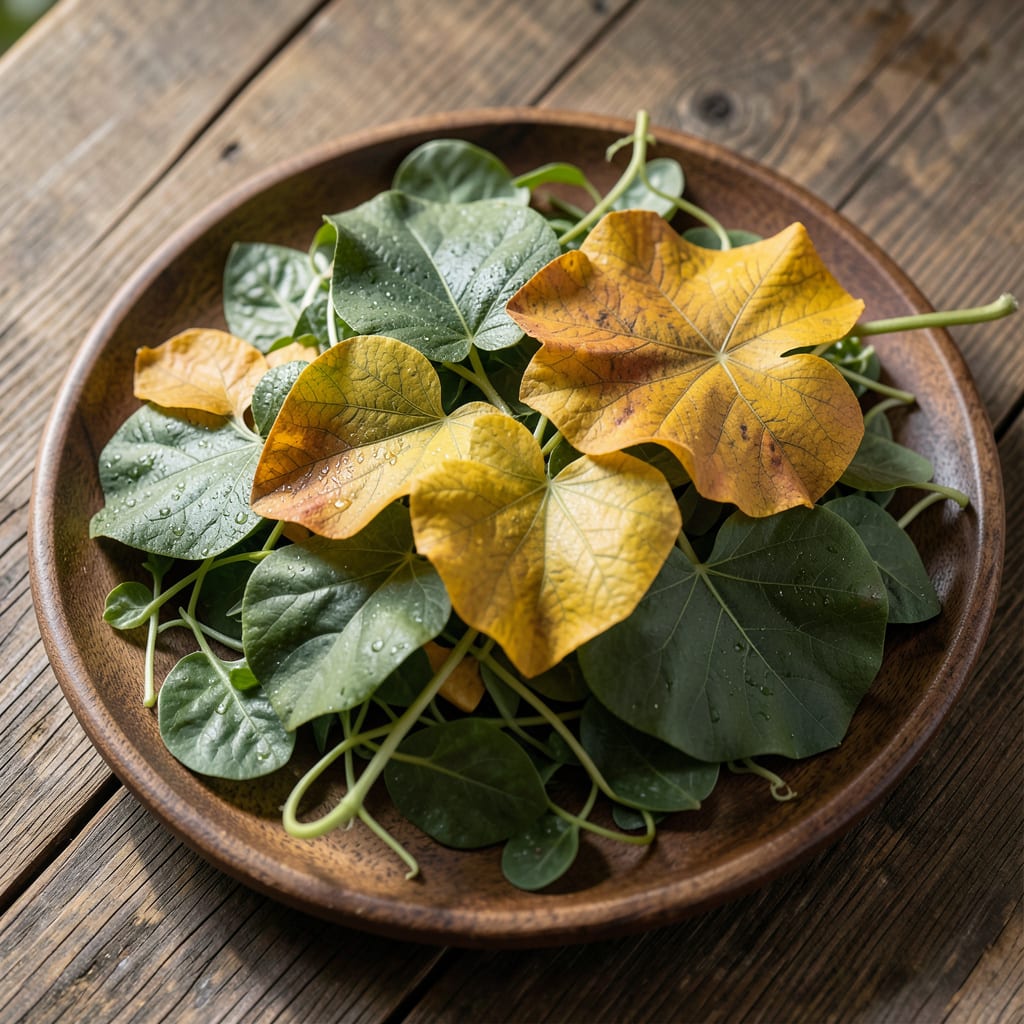
Yellow pumpkin leaves stared back at me last July. Not pretty.
Turns out it’s rarely one problem—usually a combo of hungry soil, thirsty roots, or sneaky pests throwing your plants off balance. I’ve nursed more pumpkin vines back to vibrant green than I can count now.
You can fix this in 3-5 days with the right adjustments. The leaves perking back up is the most satisfying garden comeback I know.
Works for vines in hills, rows, or containers. Here’s how to play plant detective.
When pumpkin leaves turn yellow, it’s usually a sign of stress or imbalance. Here are the most frequent culprits:
A lack of essential nutrients like nitrogen (older leaves yellow first), magnesium (interveinal yellowing), or iron (young leaves pale yellow) can disrupt chlorophyll production. Nitrogen deficiency often appears as uniform yellowing, while magnesium shows as yellow patches between veins. A soil test helps pinpoint the exact deficiency.
Too much water suffocates roots, reducing their ability to absorb nutrients. Soggy soil also promotes fungal infections like Phytophthora, which cause yellowing and wilting. Check drainage and adjust watering frequency—pumpkins prefer moist but not waterlogged soil.
Extreme heat or cold can stress plants, leading to chlorosis (yellowing). Pumpkins thrive in 70–85°F (21–29°C). Sudden temperature swings or frost damage may also trigger discoloration. Shade cloths or row covers can mitigate heat stress.
Sap-sucking pests like aphids, spider mites, or whiteflies drain nutrients from leaves, causing yellow spots or curling. Inspect the undersides of leaves for tiny invaders and treat with insecticidal soap or neem oil if detected.
Pathogens such as Powdery Mildew (white powdery spots) or Downy Mildew (yellow angular lesions) disrupt leaf function. Improve airflow, remove infected leaves, and apply copper-based fungicides preventatively.
Identifying the root cause early allows for targeted solutions to restore your pumpkin plant’s health.
Yellowing pumpkin leaves can often be reversed with the right care. Below are targeted solutions for common causes, along with prevention tips to keep your plants thriving.
Fix: Test your soil to identify missing nutrients. For nitrogen deficiency, apply a balanced fertilizer (10-10-10) or side-dress with compost. If magnesium is lacking, use Epsom salt (1 tablespoon per gallon of water) as a foliar spray. For iron, chelated iron supplements work best.
Prevent: 💡 Enrich soil with organic matter before planting. Rotate crops annually to avoid nutrient depletion.
Fix: Reduce watering frequency and ensure pots or garden beds have drainage holes. If roots are waterlogged, gently loosen the soil to improve aeration. For severe cases, transplant to a well-draining location.
Prevent: 🌡️ Water only when the top inch of soil is dry. Use mulch to retain moisture without sogginess.
Fix: Inspect leaves for aphids, spider mites, or squash bugs. Remove pests manually or spray with neem oil or insecticidal soap. For severe infestations, introduce beneficial insects like ladybugs.
Prevent: 🎯 Encourage biodiversity in your garden to deter pests. Regularly check the undersides of leaves for early signs.
Fix: Provide temporary shade during peak afternoon hours using shade cloth or nearby taller plants. Water deeply in the early morning to help plants cope with heat.
Prevent: ✨ Acclimate young plants gradually to full sun. Use drip irrigation to keep foliage dry and reduce scorching.
Fix: Remove and destroy infected leaves to prevent spread. Apply copper-based fungicides or a baking soda solution (1 teaspoon baking soda, 1 quart water, a few drops of dish soap). Improve air circulation around plants.
Prevent: 🌿 Avoid overhead watering. Space plants properly and rotate crops to minimize disease buildup in the soil.
With proper adjustments, you may see improvement in 3-5 days. New growth will appear green if the issue is resolved. Older leaves may not fully recover.
Only remove severely damaged leaves to prevent disease spread. If 50% or more of the leaf is yellow, it’s best to prune it. Healthy portions can still photosynthesize.
Yes, excessive fertilizer can burn roots, leading to nutrient uptake issues. Stick to recommended doses and test soil before adding more. Less is often more.
Not always. Natural aging causes lower leaves to yellow first. But rapid or widespread yellowing usually signals stress. Monitor patterns to diagnose.
