
Beautiful Plants For Your Interior
Beautiful Plants For Your Interior
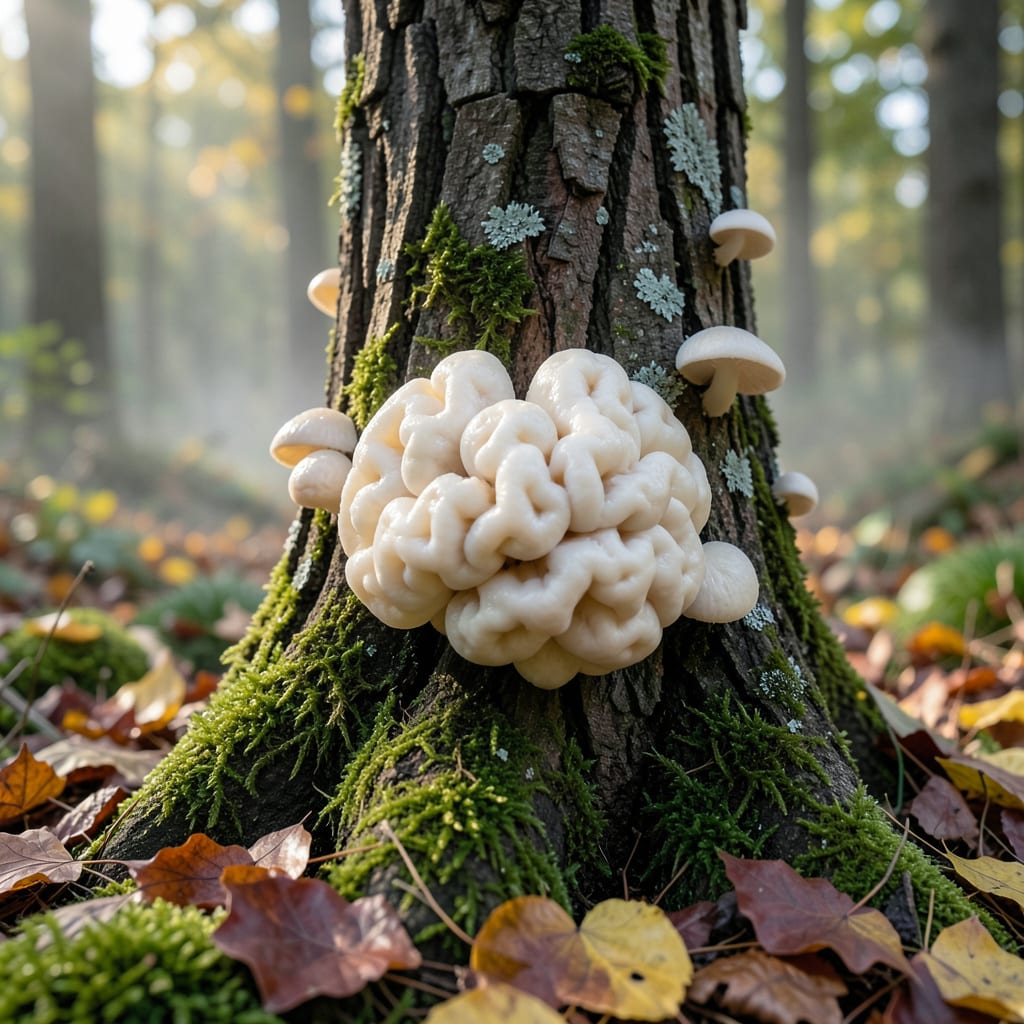
That white fluff on your tree isn’t cotton candy. It’s likely a fungal growth that can spread fast if ignored.
I first spotted this on my oak last summer—soft, puffy patches that looked harmless at first. Turns out, it’s often a sign of stress or excess moisture. Some trees like maples and birches get hit harder than others.
Left untreated, it weakens branches and invites pests. The good news? Removal is straightforward with the right approach. Pruning affected areas and improving airflow can stop it in its tracks.
You’ll want to act before it spreads to nearby plants. Here’s how to identify and treat it safely.
The appearance of puffy white fungus on trees is typically a sign of underlying environmental or biological stressors. Below are the most common causes, explained in scientific terms to help you understand and address the issue effectively.
Fungal growth thrives in damp conditions. Prolonged periods of high humidity, poor drainage, or excessive irrigation create the perfect breeding ground for spores. Trees in waterlogged soil or those frequently exposed to overhead watering are particularly susceptible. The fungus Phellinus or Ganoderma species often appear as white, puffy growths when moisture levels remain consistently high.
Weak or stressed trees are more vulnerable to fungal infections. Root damage, nutrient deficiencies, or physical wounds (e.g., from pruning or storms) provide entry points for fungal spores. For example, Fomes fomentarius, a common white-rot fungus, targets trees with internal decay, breaking down lignin and cellulose in the wood.
Dense canopies or overcrowded plantings restrict airflow, trapping moisture against the bark. This stagnant environment accelerates spore germination. Trees in shaded, poorly ventilated areas often develop puffy white fungi like Trametes versicolor, which appears as layered, shelf-like growths.
Fungal spores spread via wind, water, insects, or contaminated tools. Once they land on a susceptible tree, they colonize the bark or wood. Improper sanitation (e.g., not sterilizing pruning shears) can introduce spores to healthy trees. Species like Schizophyllum commune are notorious for their rapid spore dispersal in wet conditions.
Addressing these root causes—such as improving drainage, pruning for airflow, or removing infected branches—can help prevent further spread.
Dealing with that unsightly puffy white fungus on your tree? Here’s how to tackle it based on the root cause—and keep it from coming back.
If excess moisture is the culprit, start by reducing watering and ensuring the soil drains well. Clear away mulch or debris piled against the trunk, as these trap moisture. Prevention tip: 💡 Space plants apart to boost air circulation, and water at the base—not the leaves—to keep foliage dry.
Fungus often invades through cuts or breaks in the bark. Use sterilized pruning shears to remove infected branches at least 6 inches below the fungus. Disinfect tools with rubbing alcohol between cuts to avoid spreading spores. Prevention tip: ✨ Avoid damaging tree bark with lawnmowers or trimmers, and seal large wounds with tree wound dressing.
Fallen leaves, twigs, and rotting organic matter create a cozy home for fungus. Rake up debris around the tree’s base and dispose of it in the trash (not compost). Prevention tip: 🌡️ Regularly clean your yard, especially in damp seasons, to starve fungus of its food source.
For stubborn cases, use a copper-based fungicide or neem oil, following label instructions. Apply in the early morning or late evening to avoid harming beneficial insects. Prevention tip: 🎯 Reapply after rain and prune to improve sunlight penetration, as UV rays naturally inhibit fungal growth.
Yes, it can weaken the tree over time by breaking down wood tissue. Some species also spread to other plants, so early removal is key to preventing long-term damage.
Scraping may remove visible growth but won’t kill the spores below. Use sterilized tools to cut out infected areas at least 6 inches beyond the fungus for best results.
Oaks, maples, and birches are highly susceptible due to their bark texture. Stressed or injured trees of any species are also prime targets for fungal growth.
It might if conditions remain wet or airflow is poor. Improve drainage and prune regularly to reduce the chance of recurrence.
