
Beautiful Plants For Your Interior
Beautiful Plants For Your Interior
There’s something magical about turning one beefsteak begonia into a dozen. I’ve propagated these beauties for years, and the process never fails to amaze me—watch a single cutting transform into a full, lush plant in just 6-8 weeks. The velvety leaves and dramatic foliage make every successful propagation feel like winning the gardening lottery. What […]
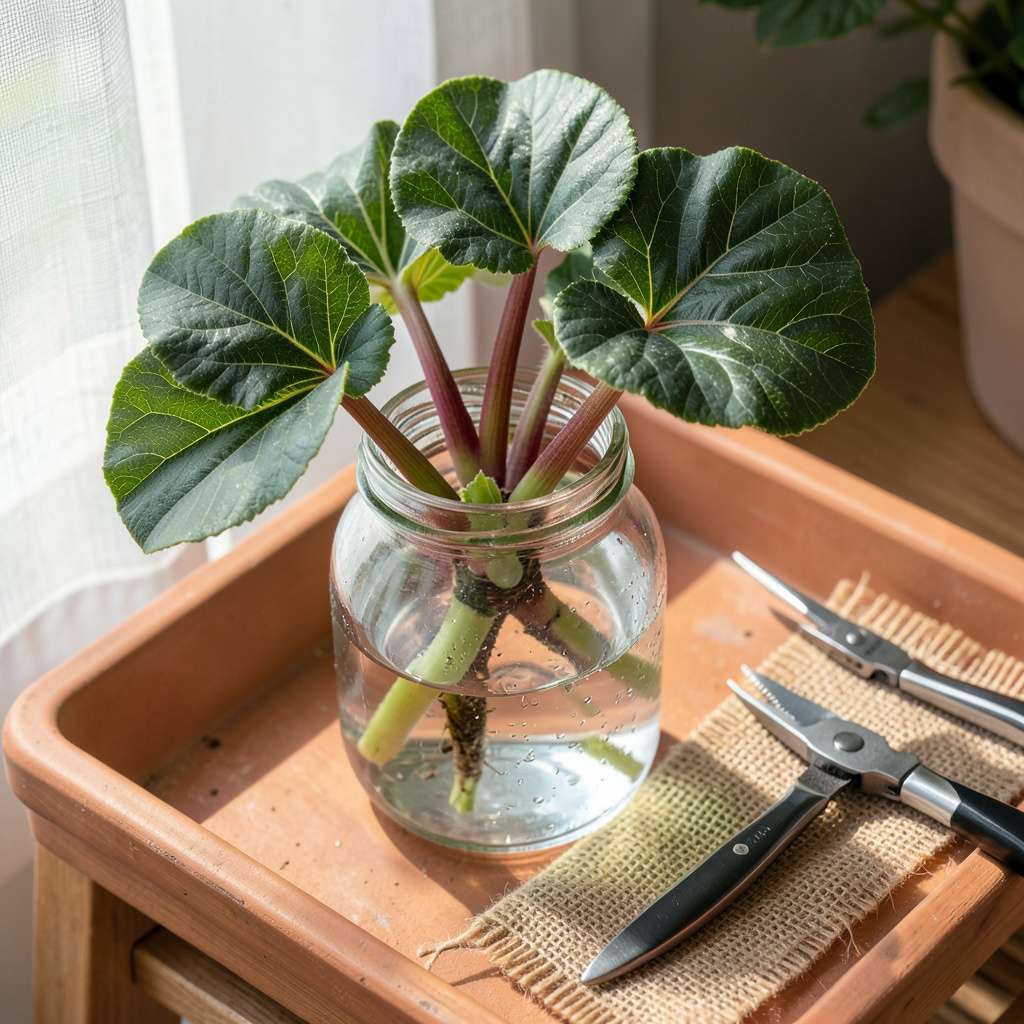
There’s something magical about turning one beefsteak begonia into a dozen. I’ve propagated these beauties for years, and the process never fails to amaze me—watch a single cutting transform into a full, lush plant in just 6-8 weeks. The velvety leaves and dramatic foliage make every successful propagation feel like winning the gardening lottery.
What surprised me most? How forgiving these plants are. You don’t need fancy equipment—just sharp scissors, clean water, and a bright spot out of direct sun. My first attempts succeeded with nothing more than a mason jar and a windowsill. The key is timing: spring or early summer cuttings root fastest, but I’ve had luck year-round with the right conditions.
You’ll know it’s working when tiny white roots appear in 2-3 weeks, followed by fresh growth. That first new leaf is pure excitement—proof you’ve created a living plant from a simple cutting. Before you know it, you’ll have enough beefsteak begonias to fill your home or share with fellow plant lovers.
Perfect for beginners and seasoned growers alike. Whether you’re expanding your collection or rescuing a leggy plant, this method delivers results. Let’s get those cuttings started!
📚 In This Guide
This reliable method delivers four thriving new plants from a single parent—no special tools required.
Choose healthy, non-flowering stems from the parent plant that are 4-6 inches long with at least two leaf nodes. I always look for stems with firm, vibrant green color—avoid any showing brown spots or softness, as these indicate disease or poor vigor.
Using clean, sharp scissors, make a diagonal cut just below a leaf node. This increases the surface area for root development. Remove the lower leaves, leaving only 2-3 leaves at the top to reduce moisture loss while maintaining photosynthesis. Dip the cut end in water immediately to prevent air bubbles from entering the vascular system.
Fill a small glass or jar with room-temperature water (about 2-3 inches deep). Place the cuttings in so only the bottom 1-2 inches of stem are submerged—leaves should never touch water, as this encourages rot. I use clear containers to monitor root development without disturbing the cuttings.
Position the container in bright, indirect light (an east-facing windowsill works perfectly). Change the water every 3-4 days to prevent bacterial growth. You’ll see white root nubs emerging within 7-10 days, and 1-inch roots ready for transplanting in 3-4 weeks.
Once roots reach 1-2 inches long, prepare 4-inch pots with a well-draining potting mix. I blend 60% peat-based mix with 40% perlite for ideal aeration. Create a planting hole with your finger, then gently transfer each cutting, ensuring roots spread naturally without bending.
Firm the soil lightly around the base and water thoroughly until it drains from the bottom. Place pots in bright, indirect light (no direct sun for the first week) and maintain 65-75°F temperatures. The cuttings may wilt slightly during transition—this is normal as they adapt to soil conditions.
After 2-3 weeks in soil, your new plants will show active new growth. Begin fertilizing with a balanced liquid fertilizer (10-10-10) at half strength every 2 weeks. I watch for the first set of new leaves as my signal that the plant has successfully rooted and is ready for regular care.
Gradually introduce more light over 7-10 days, moving plants closer to their permanent location. Once you see 3-4 new leaves, you can treat them as mature beefsteak begonias. The entire process from cutting to established plant takes 6-8 weeks—patience ensures the strongest results.
After years of propagating these stunning plants, I’ve learned that small details make all the difference between success and disappointment.
Cutting Selection: In Step 1, choosing the right stem determines your success rate. I’ve found that stems with intermediate thickness (about pencil-width) root faster than either very thin or very thick stems. The ideal cutting should snap crisply when bent – if it bends limply, it’s too young. Also, morning is the best time to take cuttings when plants are most hydrated.
Water Management: During Step 2’s water rooting phase, the 3-4 day water change schedule isn’t just about cleanliness – it’s about oxygenation. Stagnant water becomes oxygen-depleted, which is why I use a small aquarium air stone in my propagation containers. This creates gentle bubbles that keep water fresh between changes and dramatically increases rooting success.
Temperature Control: The 65-75°F range mentioned in Step 3 isn’t just a suggestion – it’s critical. I’ve ruined batches by placing cuttings near drafty windows or heat vents. Use a simple indoor thermometer near your propagation area. If temperatures dip below 65°F, consider a seedling heat mat to maintain consistent warmth without direct heat.
Transition Period: When moving from water to soil in Step 3, many people make the mistake of planting too deep. The soil line should be at the same level as the water line was – only the roots should be buried. I create a small mound of soil in the pot’s center to elevate the cutting slightly, which prevents stem rot and encourages upward growth.
Under ideal conditions (warmth, humidity, and indirect light), cuttings typically root in 3–6 weeks. Leaf cuttings may take slightly longer than stem cuttings. Speed it up by using a rooting hormone or a humidity dome—just keep the soil moist (not soggy)! Patience is key.
Yes! Water propagation works, but it’s riskier for beefsteak begonias (they’re prone to rot). Use filtered or distilled water, change it weekly, and transfer to soil once roots reach 1–2 inches. Soil propagation is more reliable for this variety, though.
Wilting often means underwatering or low humidity, while blackening signals rot from overwatering. Trim affected areas, let cuttings callus (for leaf props), and adjust moisture levels. A clear plastic bag over the pot can boost humidity safely.
Spring or early summer is ideal—warm temps (65–75°F) and active growth give cuttings the best start. Avoid winter propagation unless you can provide bottom heat (like a seedling mat) and grow lights to mimic summer conditions.
Try wax begonias or angel-wing begonias first—they root faster and tolerate more mistakes. Beefsteak begonias are rewarding but need extra TLC. Start with stem cuttings (simpler than leaf props) to build confidence!
Propagating beefsteak begonia is easier than you think—with the right techniques, you’ll soon have thriving new plants to enjoy or share! 🌱 Whether you chose stem cuttings, leaf propagation, or division, patience and proper care are the keys to success. Now that you’re equipped with foolproof steps, pick your favorite method and get started—your green thumb is ready for this rewarding project!
For next steps, check your cuttings daily for root growth, and don’t forget to celebrate those first tiny leaves. Happy propagating!
