
Beautiful Plants For Your Interior
Beautiful Plants For Your Interior
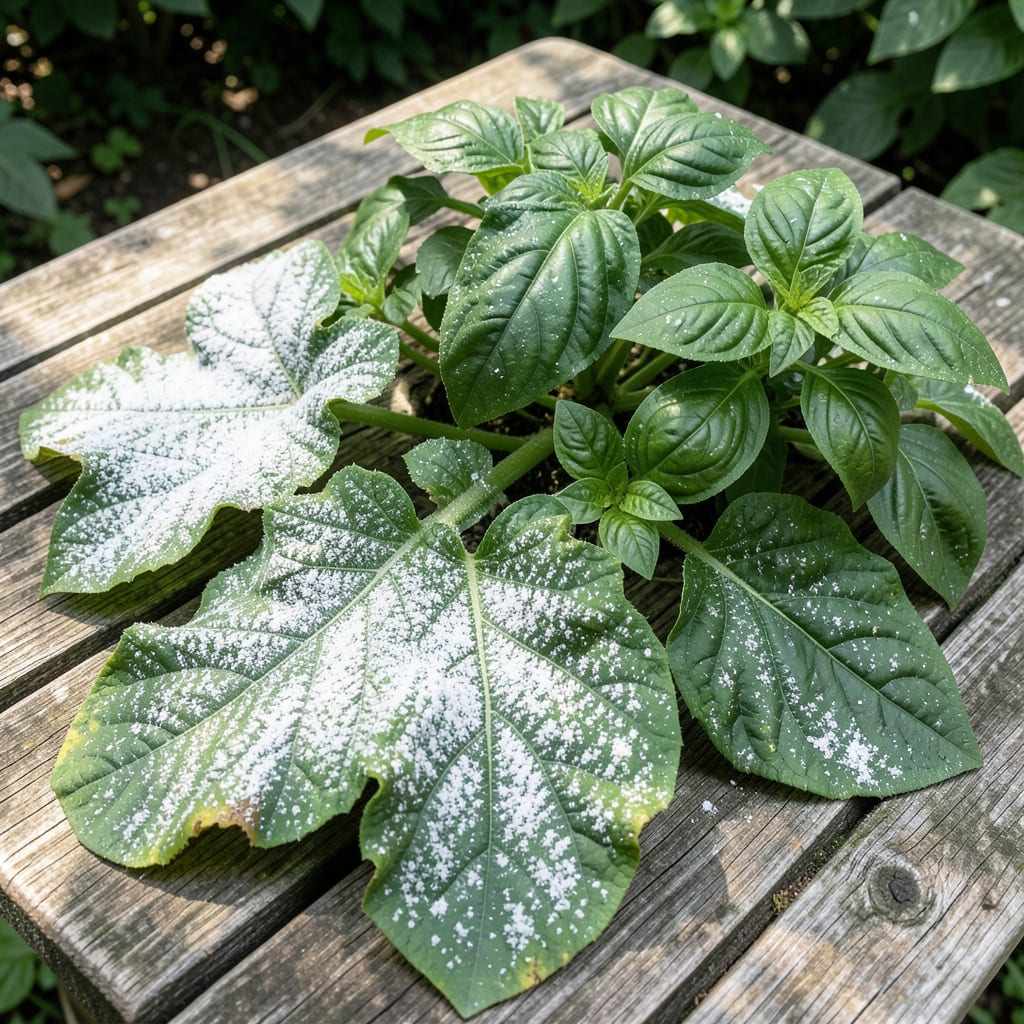
That white dust on your leaves isn’t just unsightly—it’s stealing your plants’ dinner. 🌿 I first spotted it on my zucchini last July, and by the time I acted, half the plant looked like it had been dusted with flour.
Turns out this fungus spreads fast in dry, warm conditions, but the fix is simpler than you’d think. A 30-minute treatment with the right organic spray can stop it in its tracks and keep your foliage healthy.
You’ll see the difference within days: new growth comes in clean, and existing spots fade as the plant recovers. The key is catching it early and staying consistent.
Works on everything from roses to cucumbers. Here’s how to tackle it without harsh chemicals.
Powdery white mildew thrives when conditions align in its favor. Understanding the root causes helps you prevent and manage outbreaks effectively. Here’s why it happens:
This fungus Oidium spp. or Erysiphe spp. prospers in environments with 60–80% humidity but low moisture on the leaves. Stagnant air—common in crowded gardens or indoor setups—traps spores and encourages growth. Unlike other mildews, it doesn’t need free water to germinate; dry foliage with humid air is its sweet spot.
Warm days (70–80°F / 21–27°C) paired with cool nights create ideal conditions. The fungus thrives in these temperature swings, which weaken plant defenses. Shade-loving plants (e.g., cucumbers, roses) are especially vulnerable when heat stress or sudden temperature drops occur.
While powdery mildew doesn’t require wet leaves to spread, evening watering or splashing water on foliage can worsen infections. Water droplets can dislodge spores, helping them travel to new hosts. Drip irrigation at the soil level reduces this risk.
Some plants are genetically prone to infection. Cucurbits (squash, melons), roses, grapes, and apples are frequent targets. Monoculture gardens (growing one plant type densely) accelerate spore spread. Opt for resistant varieties (e.g., powdery mildew-resistant zucchini) when possible.
Plants under stress—from nutrient deficiencies (low phosphorus or potassium), drought, or root damage—produce fewer defensive compounds. Over-fertilizing with nitrogen (promoting lush, soft growth) also makes foliage more susceptible. Balanced soil health strengthens natural resistance.
Tackling powdery white mildew starts with identifying the cause and applying the right fix. Here’s a practical, cause-to-solution guide to restore your plants’ health:
Thick foliage traps moisture, creating a playground for mildew. Fix it: Thin out dense growth by pruning infected leaves and stems. Space plants farther apart to allow air to circulate freely. For potted plants, move them to breezier spots or use a small fan on low to keep air moving.
Mildew thrives in damp conditions. Fix it: Water plants at the base in the morning so foliage dries quickly. Avoid overhead watering, and use drip irrigation if possible. If humidity is unavoidable (like in greenhouses), run a dehumidifier or improve ventilation with open windows or vents.
Weak or stressed plants are more susceptible. Fix it: Apply a balanced organic fertilizer to boost vitality. Spritz leaves with a DIY fungicide—mix 1 tablespoon baking soda, 1 teaspoon dish soap, and 1 gallon of water. Spray weekly until mildew clears. Neem oil (diluted as directed) is another effective organic option.
With these steps, your plants will bounce back and stay mildew-free. Happy gardening! 🌿✨
It appears as white, powdery spots on leaf surfaces, often starting on upper sides. Over time, these can spread to cover entire leaves, stems, and even flowers. The texture resembles talcum powder or flour.
Yes, if left untreated it weakens plants by blocking sunlight and reducing photosynthesis. Severe cases can stunt growth, reduce yields in edibles, and eventually kill the plant.
Yes, a 1:3 vinegar-to-water solution can help. Spray it directly on affected areas, but test on a small section first as vinegar can burn some plants. Reapply every 4-5 days until it clears.
