
Beautiful Plants For Your Interior
Beautiful Plants For Your Interior
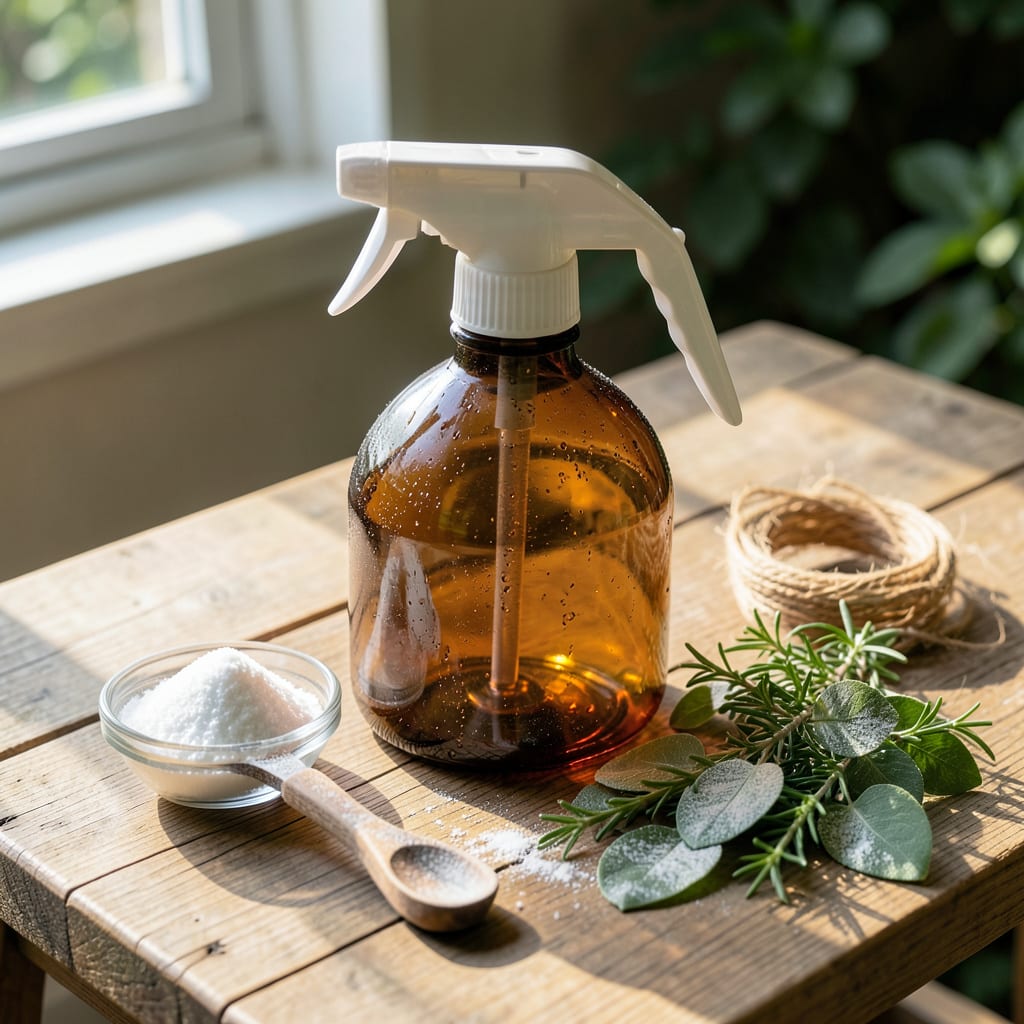
Powdery mildew can quickly turn healthy plants into a white, dusty mess. I’ve fought this fungus for years and developed a simple DIY spray that stops it in its tracks without harsh chemicals.
This solution uses common household items and takes 5 minutes to mix. Apply weekly for prevention or at first signs of infection to keep your garden thriving and disease-free.
📚 In This Guide
Here’s the method I rely on to mix and apply this effective treatment safely.
Select a clean 1-gallon sprayer dedicated to gardening use only—never use one that previously held herbicides or chemicals. I use a pump-style sprayer for even coverage, but a simple spray bottle works for small applications. Ensure it’s thoroughly rinsed with hot water and baking soda to prevent contamination.
Collect 1 tablespoon of baking soda, 1 teaspoon of liquid soap (non-detergent, mild variety), and 1 gallon of water. The soap helps the solution stick to leaves, while baking soda alters the pH on leaf surfaces to inhibit fungal growth. Avoid dish soaps with degreasers or synthetic fragrances.
Combine the 1 gallon of water with 1 tablespoon of baking soda in the sprayer. Stir or shake gently until the baking soda fully dissolves—this usually takes 30-60 seconds of consistent agitation. You’ll see the water turn slightly cloudy, which means it’s ready for the next addition.
Add 1 teaspoon of liquid soap and swirl the mixture gently to incorporate it without creating excessive suds. Over-shaking can produce too much foam, which clogs sprayer nozzles and reduces effectiveness. The final solution should look slightly soapy but not bubbly.
Before treating your entire garden, test the spray on a small section of one plant and wait 24-48 hours to check for leaf burn or adverse reactions. I’ve found most plants tolerate this mixture well, but sensitive varieties like ferns or certain flowers may show stress.
On a dry, overcast day with temperatures below 85°F, spray the solution evenly over both the top and bottom surfaces of leaves. Focus on areas showing white, powdery spots—this is where the fungus is most active. Avoid spraying in direct midday sun to prevent leaf scorch.
Check treated plants after 2-3 days. You should see a reduction in new powdery mildew growth, though existing spots won’t disappear immediately. This is normal—the spray prevents spread but doesn’t erase current infections.
Reapply every 7-10 days or after rain, which can wash away the protective coating. I’ve found that 3-4 applications are usually sufficient to break the fungal cycle. For severe cases, you may need to extend the treatment schedule.
These practical pointers will help you get the most out of this treatment while avoiding common pitfalls.
Mixing Perfection: In Step 2, the 30-60 seconds of agitation is crucial—stop as soon as the baking soda dissolves completely. Over-shaking after this point creates excessive foam that can clog your sprayer nozzle and reduce coverage effectiveness. The solution should look slightly cloudy with a subtle soapy appearance, not bubbly.
Application Timing: The 24-48 hours test period in Step 3 is non-negotiable for sensitive plants. I learned this the hard way after treating an entire rose bush without testing first. Even if you’re eager to tackle the problem, this waiting period prevents potential leaf burn that could set your plants back further.
Environmental Control: That 85°F temperature threshold in Step 3 exists for a reason. Spraying in hotter conditions causes the solution to dry too quickly, leaving residue that can burn leaves. Early morning on a cloudy day is ideal—you’ll get maximum absorption without stressing your plants.
Apply every 7–10 days or after rain for prevention. For active infections, spray every 5–7 days until symptoms fade. Consistency is key!
Most plants tolerate it, but test on a small area first. Avoid sensitive plants like ferns or some ornamentals. Baking soda can burn leaves if overused.
Early morning or late evening is ideal. This prevents leaf burn from sun exposure and allows the spray to dry slowly for better absorption.
Yes! Neem oil, sulfur-based sprays, or milk-water mixtures (1:9 ratio) work well. Rotate treatments to prevent resistance.
Check for proper mixing, coverage, and frequency. Powdery mildew thrives in dry, humid conditions—improve airflow and remove infected leaves promptly.
