
Beautiful Plants For Your Interior
Beautiful Plants For Your Interior
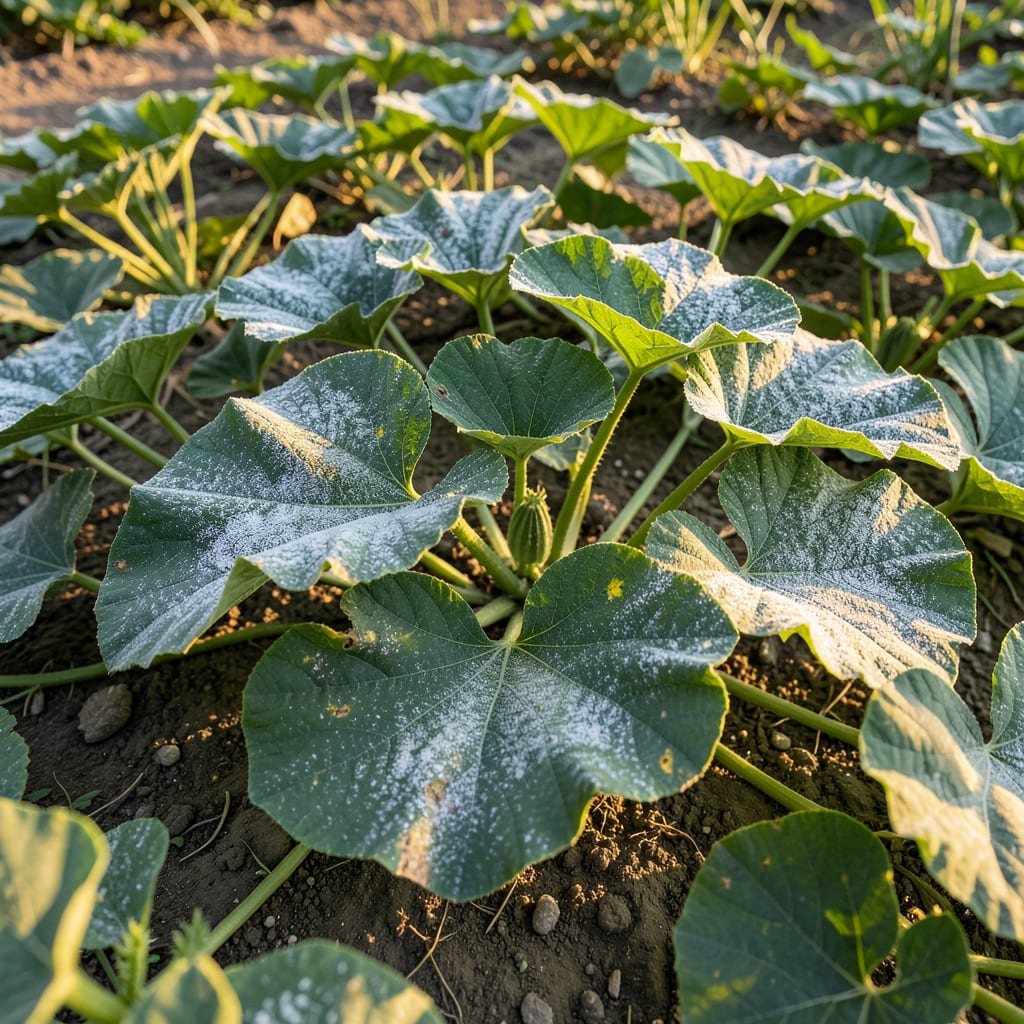
That white dust on your pumpkin leaves isn’t just dirt. I learned this the hard way when my vines went from thriving to struggling in 48 hours. Powdery mildew spreads fast, but catching it early makes all the difference.
Most gardeners miss the first signs—tiny white spots on upper leaves that look like someone sprinkled flour. By the time it’s obvious, the fungus has already weakened the plant. The key is checking undersides of leaves weekly during humid weather.
You can fight this without chemicals. A simple baking soda spray or neem oil stops it cold. Even better, improve air circulation and water at the base to prevent it from ever starting.
Your pumpkins will thank you with stronger vines and bigger harvests. This battle is winnable with the right moves.
Powdery mildew thrives under specific environmental and biological conditions. Understanding these triggers helps you prevent and manage outbreaks effectively.
The fungus Podosphaera xanthii (common on pumpkins) spreads when relative humidity is high (60–90%), but leaf surfaces remain dry. Unlike other fungal diseases, powdery mildew doesn’t need free water to germinate—just moist air. Crowded plantings or poor airflow traps humidity, creating ideal conditions for spores to colonize leaves.
Some pumpkin cultivars lack genetic resistance to powdery mildew. Stressed plants—due to nutrient deficiencies (especially low potassium or phosphorus) or drought—are more vulnerable. Over-fertilizing with nitrogen promotes lush, soft growth, which the fungus penetrates more easily.
Optimal temperatures for spore germination are 60–80°F (15–27°C), with cool nights (50–60°F / 10–15°C) and warm days accelerating disease development. This temperature swing is common in late summer and early fall, coinciding with pumpkin maturation.
Dense foliage or overhead irrigation that wets leaves can foster mildew. Spores spread via wind, so stagnant air in shaded or tightly spaced patches allows them to settle and infect. Pruning excess leaves and spacing plants 3–5 feet apart improves airflow, reducing risk.
Tackling powdery mildew on your pumpkin plants is easier than you think! Below are targeted solutions for common causes, plus simple prevention tips to keep your garden thriving. 🌱✨
Powdery mildew thrives in stagnant air. Space your pumpkin plants at least 3–4 feet apart to allow airflow. If your garden is crowded, prune excess leaves (especially lower ones) to open up the canopy. For potted pumpkins, move them to breezier spots or use a small fan on low to keep air moving.
Fungal spores love damp conditions. Water your pumpkins at the base (avoid overhead watering) and do it early in the morning so leaves dry quickly. If humidity stays high, mulch with straw to prevent soil splash and keep foliage dry. A drip irrigation system is a great long-term fix.
Wet leaves are a playground for mildew. Replace sprinklers with soaker hoses or a watering can to deliver water directly to the roots. If you must use a sprinkler, water before 10 AM so sunlight can evaporate moisture fast.
Weak plants are more susceptible. Apply a balanced organic fertilizer (like 10-10-10) to strengthen your pumpkins. For a quick boost, spray leaves with a diluted seaweed extract—it’s rich in micronutrients that help plants resist disease.
For active infections, mix 1 tablespoon baking soda + 1 teaspoon dish soap + 1 gallon water and spray weekly. Neem oil (mixed per label instructions) is another fantastic organic option—apply in the evening to avoid leaf burn. Always test sprays on a small area first!
Prevention Tips:
Yes, powdery mildew can spread to nearby susceptible plants. Isolate affected pumpkins and avoid working with them when leaves are wet to prevent transferring spores.
The fruit itself remains safe to eat, but severe infections may reduce yield or quality. Harvest pumpkins early if mildew is extensive.
Spray every 7–10 days or after rain. Use 1 tablespoon baking soda + 1 teaspoon dish soap per gallon of water for best results.
Spores overwinter in plant debris. Remove and destroy all infected plant material in fall, and rotate crops yearly to break the cycle.
