
Beautiful Plants For Your Interior
Beautiful Plants For Your Interior
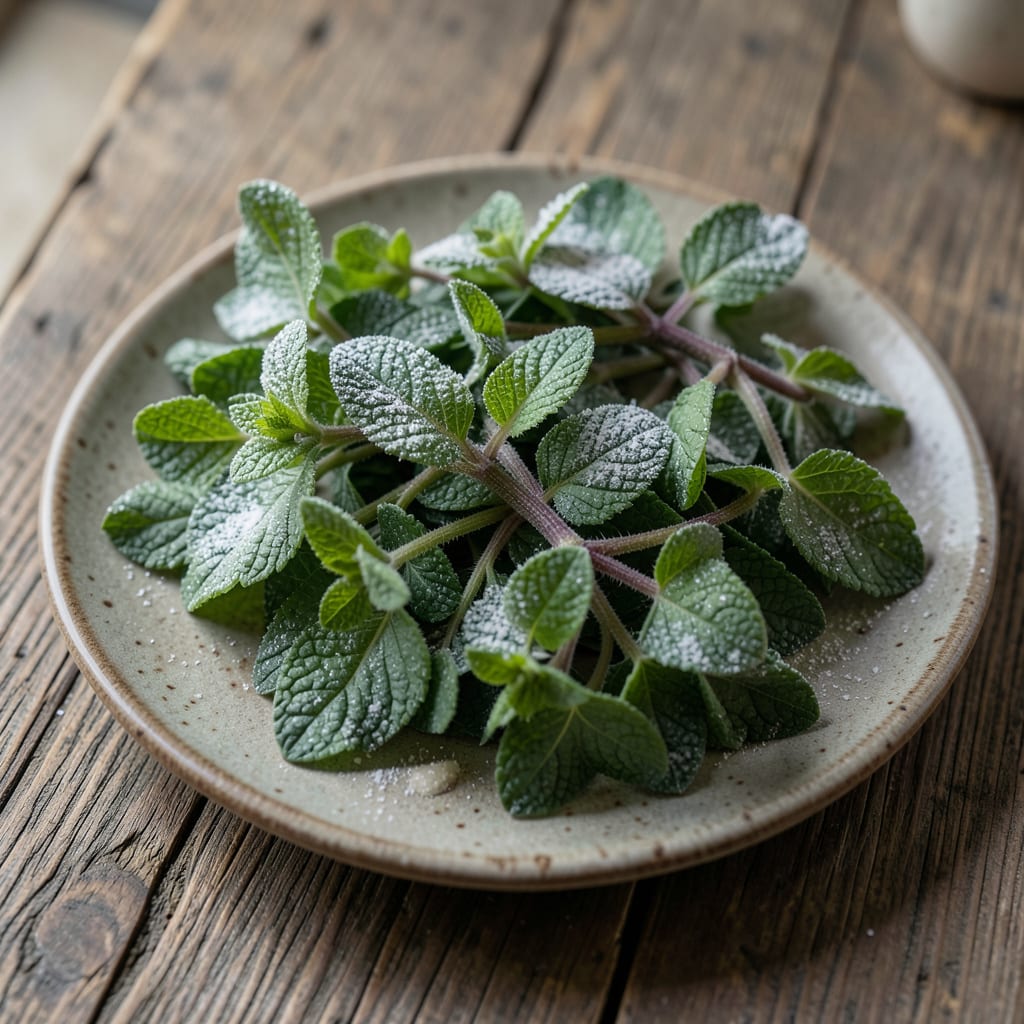
White powder on your mint leaves means trouble. I spotted it on mine last summer, and within days it spread like wildfire across the patch.
Powdery mildew thrives in humid conditions with poor air circulation. The good news? It’s treatable without harsh chemicals. A simple baking soda spray or neem oil solution can stop it in its tracks.
Prevention is even easier. Space plants properly, water at the base, and keep foliage dry. These small changes make a huge difference in keeping mint healthy.
Your plants can bounce back fast with the right care. Clear skies ahead for your mint patch.
Powdery mildew on mint is primarily triggered by environmental and cultural factors that favor fungal growth. Here’s a breakdown of the most common causes:
The fungus Podosphaera xanthii (a common powdery mildew pathogen) thrives in 60–80% relative humidity with temperatures between 60–80°F (15–27°C). Stagnant air around mint plants traps moisture, creating the perfect breeding ground. Overcrowded plantings or dense foliage worsen this by blocking airflow.
Wetting the leaves—especially in the evening—extends the period of leaf surface moisture, which the fungus needs to germinate. Mint leaves that stay damp for 6+ hours are significantly more vulnerable. Drip irrigation or soaker hoses at the soil level can prevent this.
Mint grown in shaded or poorly lit areas develops softer, more susceptible foliage. Sunlight not only dries leaves faster but also produces natural fungicidal compounds in the plant. Ensure mint receives at least 4–6 hours of sunlight daily to strengthen its defenses.
Excess nitrogen promotes lush, tender growth—exactly the kind of tissue powdery mildew loves to infect. A balanced fertilizer (e.g., 5-5-5) is safer than high-nitrogen blends. Reduce feeding if you notice rapid, weak growth.
Powdery mildew on your mint leaves doesn’t have to mean the end of your plant. With the right approach, you can treat the issue and keep your mint thriving. Here’s how to tackle it based on the cause, along with tips to prevent future outbreaks.
If your mint is crowded or in a stagnant area, trim back dense foliage to allow air to flow freely. Space plants at least 12–18 inches apart in the garden or use a small fan indoors to keep air moving. Prevention tip: 💡 Avoid planting mint in shaded, humid corners where airflow is limited.
Mint loves moisture, but soggy soil invites mildew. Water at the base (not the leaves) and do it early in the day so foliage dries quickly. Use a moisture meter or stick your finger in the soil—water only when the top inch feels dry. Prevention tip: 🌡️ If growing indoors, use a dehumidifier or ensure good ventilation to keep humidity below 60%.
Remove affected leaves and thin out crowded stems to reduce humidity buildup. Sterilize your pruners with rubbing alcohol between cuts to avoid spreading spores. Prevention tip: ✨ Regularly prune mint to encourage airflow and discourage dense growth.
For active infections, apply a baking soda solution (1 tsp baking soda + 1 quart water + a few drops of dish soap) every 7–10 days. Alternatively, use neem oil (mix 1 tbsp with 1 gallon of water) and spray in the evening to avoid leaf burn. Prevention tip: 🎯 Rotate sprays with sulfur-based fungicides (organic-approved) for stubborn cases.
Consistency is key—stick with these fixes, and your mint will bounce back stronger and mildew-free!
It can move fast in warm, humid conditions. You might see white patches double in size within 2-3 days if untreated, especially in crowded plantings with poor airflow.
The spores can overwinter in soil or plant debris. Remove all infected plant material in fall and rotate planting locations to reduce recurrence risk next season.
Yes, but wash them thoroughly first. The fungus itself isn’t toxic, but heavily infected leaves may taste bitter. Remove the worst spots before using.
Lingering spores or persistent conditions like high humidity are likely culprits. Improve air circulation and avoid evening watering to break the cycle.
