
Beautiful Plants For Your Interior
Beautiful Plants For Your Interior
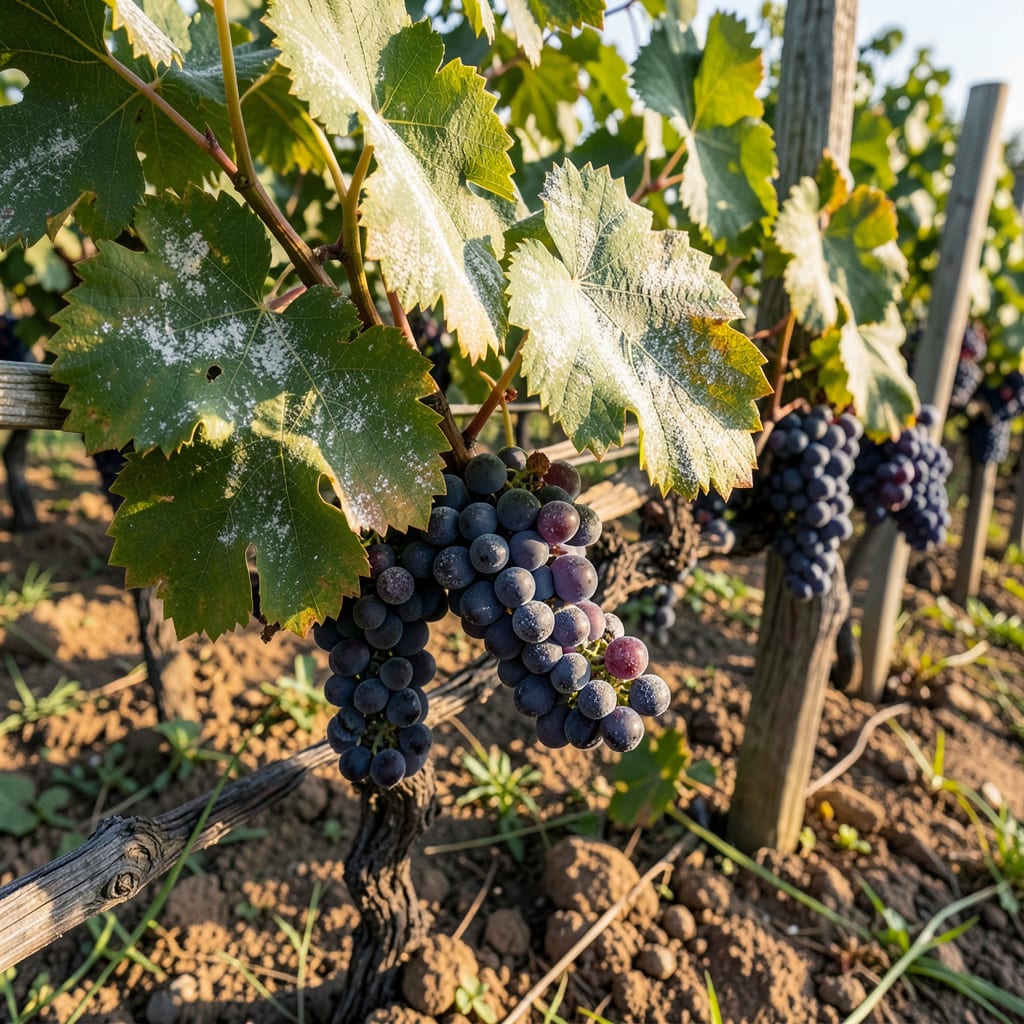
White dust on your grape leaves isn’t just unsightly—it’s powdery mildew stealing your harvest. I’ve battled this fungal foe in my own vineyard and learned it spreads fastest during warm, dry days with cool nights.
The key is catching it early. Left unchecked, it weakens vines, reduces fruit quality, and can overwinter to infect next year’s growth. Simple cultural practices like proper pruning and air circulation make a huge difference in prevention.
You’ll see results within 7-10 days of treatment, whether you choose organic sprays or targeted fungicides. The vines bounce back quickly when you act fast.
Works for backyard vines or commercial vineyards. Here’s exactly how to stop it in its tracks.
Powdery mildew on grapevines thrives under specific environmental and biological conditions. Understanding these triggers helps growers prevent and manage infections effectively.
The fungus Erysiphe necator flourishes in 60-80% relative humidity paired with temperatures between 60-80°F (15-27°C). Unlike other mildews, it doesn’t require free water to germinate—dry leaf surfaces with high ambient moisture are sufficient. This makes densely planted vineyards or shaded canopies prime targets.
Some cultivars are genetically more vulnerable. Vitis vinifera varieties like Chardonnay, Cabernet Sauvignon, and Pinot Noir are highly susceptible, while American hybrids (e.g., Concord) or muscadines show resistance. Young, rapidly growing tissue is especially at risk, as the fungus penetrates epidermal cells more easily.
Stagnant air traps moisture and spores near foliage. Overhead trellising, excessive canopy density, or vineyard layouts blocking wind flow create microclimates ideal for spore germination. Pruning to improve airflow reduces infection pressure significantly.
While powdery mildew doesn’t need water to infect, prolonged leaf wetness (from irrigation or rain) can boost spore production. Late-season rainfall, common in many wine regions, often coincides with optimal temperatures, accelerating disease spread.
The pathogen overwinters as mycelium in infected canes, buds, or leaf litter. In spring, these structures release spores that initiate primary infections. Failing to remove or burn pruned material or fallen leaves allows the cycle to repeat yearly.
Tackling powdery mildew on grapevines starts with quick, targeted action. Below are practical fixes for common causes, along with prevention tips to keep your vines healthy long-term.
Overcrowded vines trap moisture and restrict airflow, creating a perfect breeding ground for mildew. Thin out dense foliage to improve ventilation, and space plants at least 3–4 feet apart to allow air to move freely. Remove any weeds or debris around the base of the vines to further reduce humidity.
Prevention tip: 💡 Plant grapevines in a sunny, breezy location from the start to minimize stagnant air.
Overhead watering wets the leaves, encouraging fungal growth. Switch to drip irrigation to deliver water directly to the roots, keeping foliage dry. Water early in the day so any accidental splashes have time to evaporate before evening.
Prevention tip: 🌡️ Use a moisture meter to avoid overwatering—grapevines thrive in well-drained soil.
For active infections, spray affected vines with a baking soda solution (1 tbsp baking soda + 1 tsp dish soap + 1 gallon water) every 7–10 days. Neem oil or sulfur-based fungicides (follow label instructions) are also effective. Always apply in the morning to prevent leaf burn.
Prevention tip: ✨ Rotate fungicides to prevent resistance and remove fallen leaves to eliminate spore sources.
Stressed or nutrient-deficient vines are more susceptible. Fertilize with a balanced formula (e.g., 10-10-10) and ensure soil pH is between 5.5–6.5. Mulch with organic matter to retain moisture without waterlogging.
Prevention tip: 🎯 Regularly inspect vines for early signs (white spots, curled leaves) and act immediately.
Early symptoms include white, powdery spots on leaves, often on the upper surface. Leaves may curl or distort as it spreads. Check young shoots and fruit clusters first, as they’re most vulnerable.
Yes, if left untreated, it can infect fruit, causing splitting or poor flavor development. Act quickly at the first sign to protect your harvest.
For organic options like baking soda or neem oil, reapply every 7-10 days during wet weather. Always follow label instructions for chemical treatments.
Remove and destroy severely infected leaves or canes immediately. Prune to improve airflow and apply treatment. Most vines recover with consistent care.
