
Beautiful Plants For Your Interior
Beautiful Plants For Your Interior
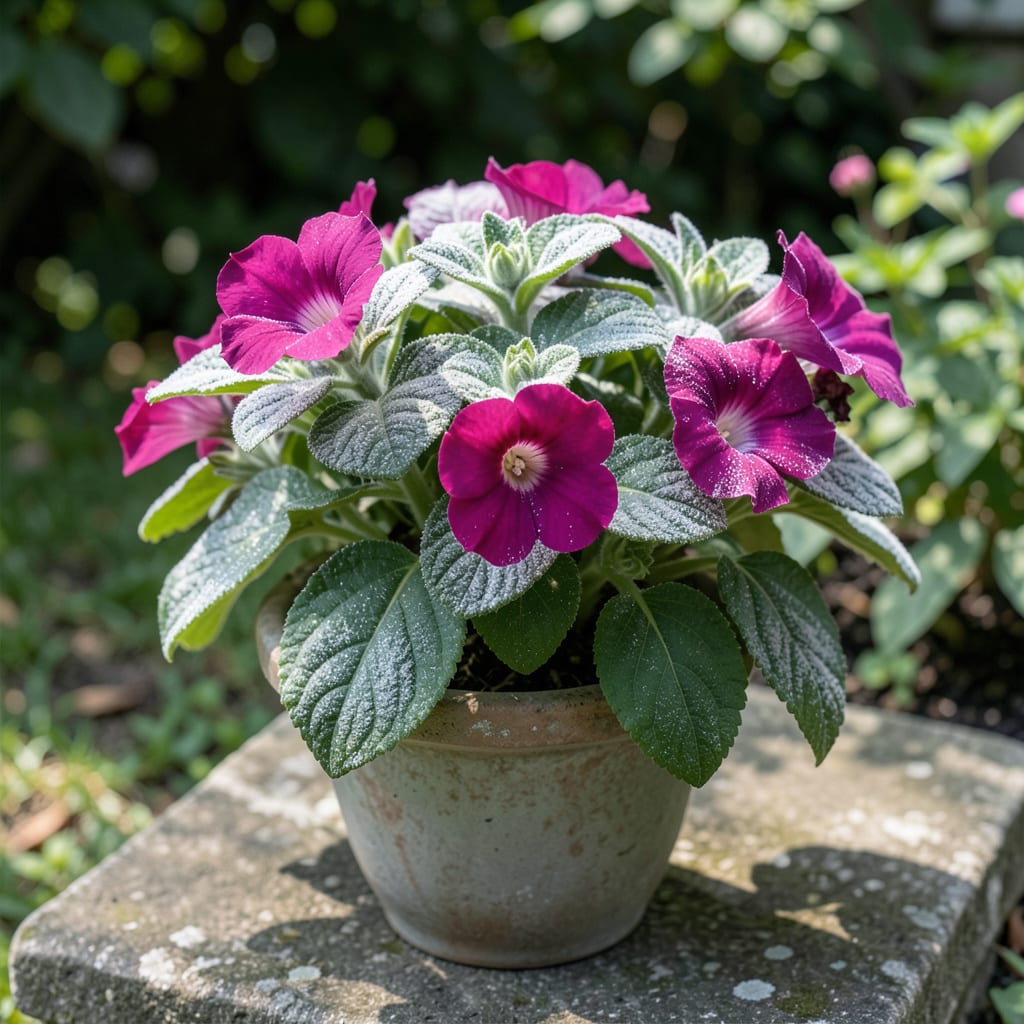
White powder on your calibrachoa leaves isn’t just unsightly—it’s a fungal alarm bell. I’ve seen this spread through an entire container garden in 48 hours during humid weather, turning vibrant blooms into sad, spotted messes.
Here’s the thing—calibrachoa are particularly vulnerable because they love the same conditions powdery mildew thrives in: warm days, cool nights, and high humidity. The first sign is often just a dusting on the upper leaves, easy to miss until it’s everywhere.
Early action saves your plants and protects neighbors in the same pot or bed. You’ll want to remove infected leaves immediately and adjust your watering habits—this fungus hates dry foliage.
Prevention beats treatment every time. With the right approach, your calibrachoa will stay lush and mildew-free all season, even in challenging conditions.
Powdery mildew on calibrachoa thrives under specific environmental and cultural conditions. Understanding these triggers helps you prevent outbreaks before they start.
This fungal disease flourishes in humid environments (60-80% relative humidity) combined with stagnant air. Calibrachoa’s dense foliage can trap moisture, creating a microclimate perfect for Podosphaera or Erysiphe spores to germinate. Crowded plantings or overhead watering exacerbate the issue by prolonging leaf wetness.
Powdery mildew spores activate in temperatures between 60-80°F (15-27°C), with cool nights promoting dew formation—a key moisture source for the fungus. Calibrachoa grown in shaded areas or during mild spring/fall seasons are especially vulnerable.
Watering from above leaves foliage damp for extended periods, giving spores time to infect. Evening watering is particularly risky, as cooler temperatures slow evaporation. Drip irrigation or soaker hoses at the soil level reduce this risk significantly.
Some calibrachoa cultivars lack genetic resistance. Nutrient imbalances (e.g., excess nitrogen promoting soft growth) or drought stress weaken plants, making them more susceptible. Over-fertilization can also reduce natural defenses.
Powdery mildew can be a stubborn issue, but these targeted fixes will help restore your calibrachoa’s health. Address the problem early for the best results.
Crowded plants trap moisture, creating a perfect breeding ground for mildew. Space plants 12–18 inches apart to allow airflow. Prune dense foliage to open the canopy, and trim affected leaves to reduce spread. If growing in containers, place them where breezes can circulate freely.
Wet leaves invite fungal spores. Switch to drip irrigation or a soaker hose to deliver water directly to the soil. If hand-watering, aim for the roots and avoid splashing foliage. Water in the early morning so any accidental moisture on leaves dries quickly in the sun.
Mildew thrives in humid conditions. Use a fan on low to improve airflow around plants, especially in greenhouses or shaded areas. Avoid overcrowding with other plants, and consider a dehumidifier if indoor humidity stays above 60%. Mulch with gravel or pebbles to prevent soil splashes onto leaves.
For active infections, treat with neem oil (mix 1 tbsp per gallon of water) or baking soda spray (1 tsp baking soda + 1 quart water + a few drops of dish soap). Spray evenly on all leaf surfaces, repeating every 7–10 days. For severe cases, use a fungicide labeled for powdery mildew, following package instructions carefully.
Prevention Tips: 💡
Yes, with early treatment. Remove infected leaves, improve airflow, and apply neem oil or fungicide. Healthy plants often rebound within 2-3 weeks.
Spores travel via wind, water, or tools. Isolate infected calibrachoa and avoid touching healthy plants after handling affected ones.
A baking soda spray (1 tsp per quart of water + soap) can slow growth. Apply weekly as a preventative, but use fungicide for severe cases.
Lingering spores or poor conditions cause recurrence. Clean debris, space plants 12-18 inches apart, and water at the base.
