
Beautiful Plants For Your Interior
Beautiful Plants For Your Interior
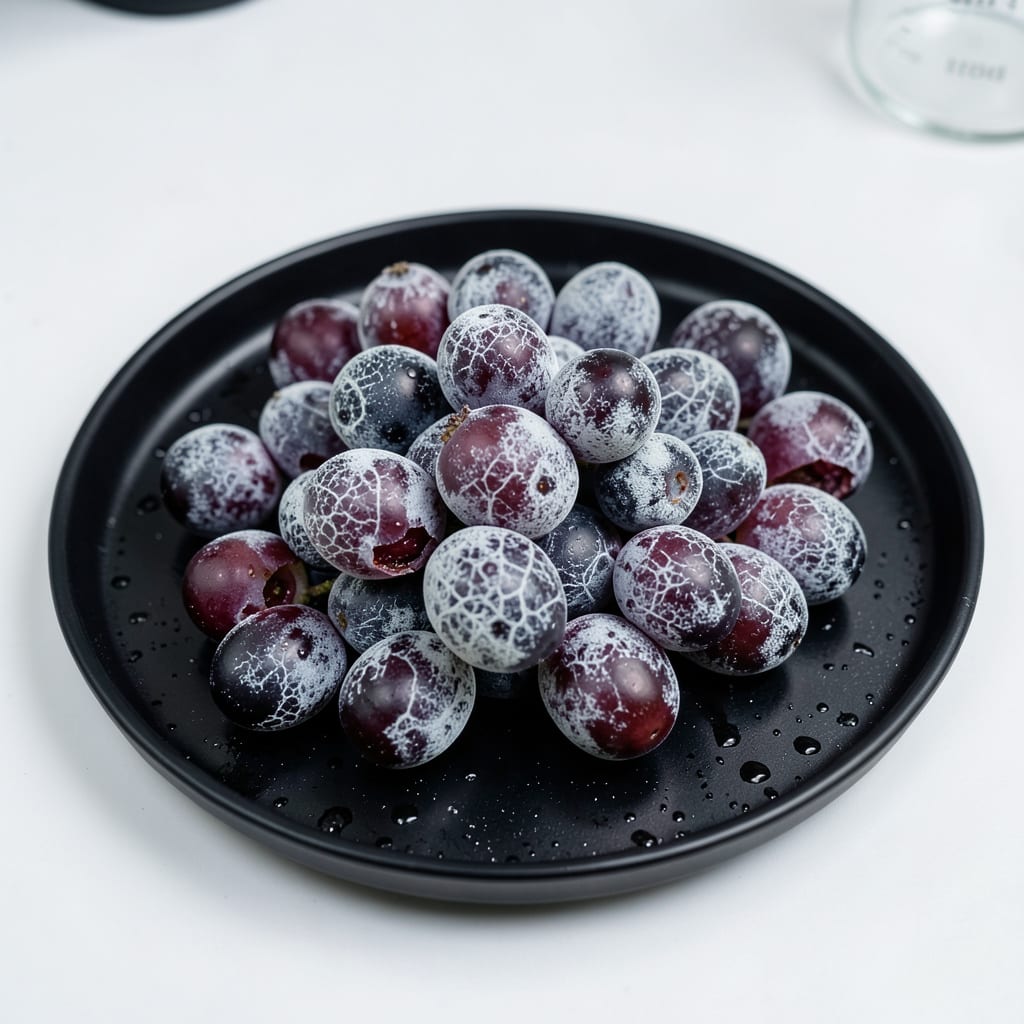
That white powder on your grape leaves isn’t dust—it’s trouble. Powdery mildew spreads fast, turning healthy vines into struggling plants if left unchecked.
I first spotted it on my Concord vines three seasons back. The leaves looked dusted with flour, then curled and dropped. Without treatment, the infection stunts fruit development and weakens the entire vine.
Cultural practices make the biggest difference. Proper spacing, good airflow, and dry foliage cut infection rates dramatically. Even a simple change like pruning for better circulation helps.
Organic sprays work if you catch it early. Sulfur-based treatments or baking soda solutions can stop the spread, but timing is everything. Chemical options exist too, but prevention is always the best strategy.
Powdery mildew on grapes thrives under specific environmental and biological conditions. Understanding these triggers helps growers prevent and manage outbreaks effectively.
The fungus Erysiphe necator (formerly Uncinula necator), the culprit behind powdery mildew, flourishes in 60–80% relative humidity combined with 60–80°F (15–27°C) temperatures. Unlike other fungal diseases, it doesn’t require free water to germinate—dry leaf surfaces are sufficient. Warm days followed by cool, humid nights create ideal conditions for spore production and spread.
Dense vine canopies or crowded planting restrict airflow, trapping moisture and creating microclimates that favor fungal growth. Overhead shading (e.g., from untrained vines or nearby trees) also prolongs leaf wetness, accelerating infection. Pruning for an open canopy disrupts this cycle.
Some grape cultivars are genetically more vulnerable. Vitis vinifera varieties like Chardonnay, Cabernet Sauvignon, and Pinot Noir are highly susceptible, while muscadine grapes (Vitis rotundifolia) show resistance. Growers should select resistant rootstocks or hybrids (e.g., Vitis labrusca) where mildew pressure is high.
Though powdery mildew doesn’t need water to infect, overhead irrigation or frequent rainfall can wash spores into new growth, spreading the disease. Avoid wetting foliage during watering, and prioritize drip irrigation to keep leaves dry.
Late-season rains can also trigger secondary infections, as spores overwinter in bud scales and bark, ready to reinfect when conditions align.
Tackling powdery mildew on your grapevines requires a mix of cultural, chemical, and natural solutions. Below are targeted fixes for common causes, along with prevention tips to keep your vines healthy.
Dense foliage traps moisture and encourages fungal growth. Fix: Thin out excess leaves and shoots to improve airflow. Space vines at least 6-8 feet apart to reduce humidity buildup. Prevention tip: 💡 Train vines on trellises to keep them elevated and airy.
Overhead watering wets the leaves, creating a perfect environment for powdery mildew. Fix: Switch to drip irrigation to deliver water directly to the roots. Water early in the day so foliage dries quickly. Prevention tip: 🌡️ Avoid late-night watering to minimize prolonged leaf wetness.
Fungal spores overwinter in fallen leaves and fruit. Fix: Remove and destroy all infected plant debris immediately. Sanitize pruning tools with rubbing alcohol after each use. Prevention tip: ✨ Rake up and dispose of leaf litter in fall to reduce next season’s spores.
For severe infections, fungicides can stop the spread. Fix: Use sulfur-based or neem oil sprays at the first sign of white powder. Apply every 7-10 days during wet seasons. Prevention tip: 🎯 Rotate fungicides to prevent resistance buildup.
Stressed vines are more susceptible to disease. Fix: Fertilize with a balanced formula to promote vigor, but avoid over-fertilizing with nitrogen, which can soften growth. Prevention tip: 💪 Mulch with organic matter to improve soil health and vine resilience.
That white powder is a fungal infection, not dust. It spreads quickly and can stunt fruit growth if untreated. Early signs include white patches on leaves and stems.
Yes! A baking soda solution (1 tablespoon per gallon of water) can help slow the spread. Apply weekly, but test on a small area first.
Muscadine grapes and some hybrids like Vitis labrusca show strong resistance. Traditional Vitis vinifera types like Chardonnay are more vulnerable.
Prune during dormant season or early spring to improve airflow. Remove crowded shoots and leaves to reduce humidity around the vine.
