
Beautiful Plants For Your Interior
Beautiful Plants For Your Interior
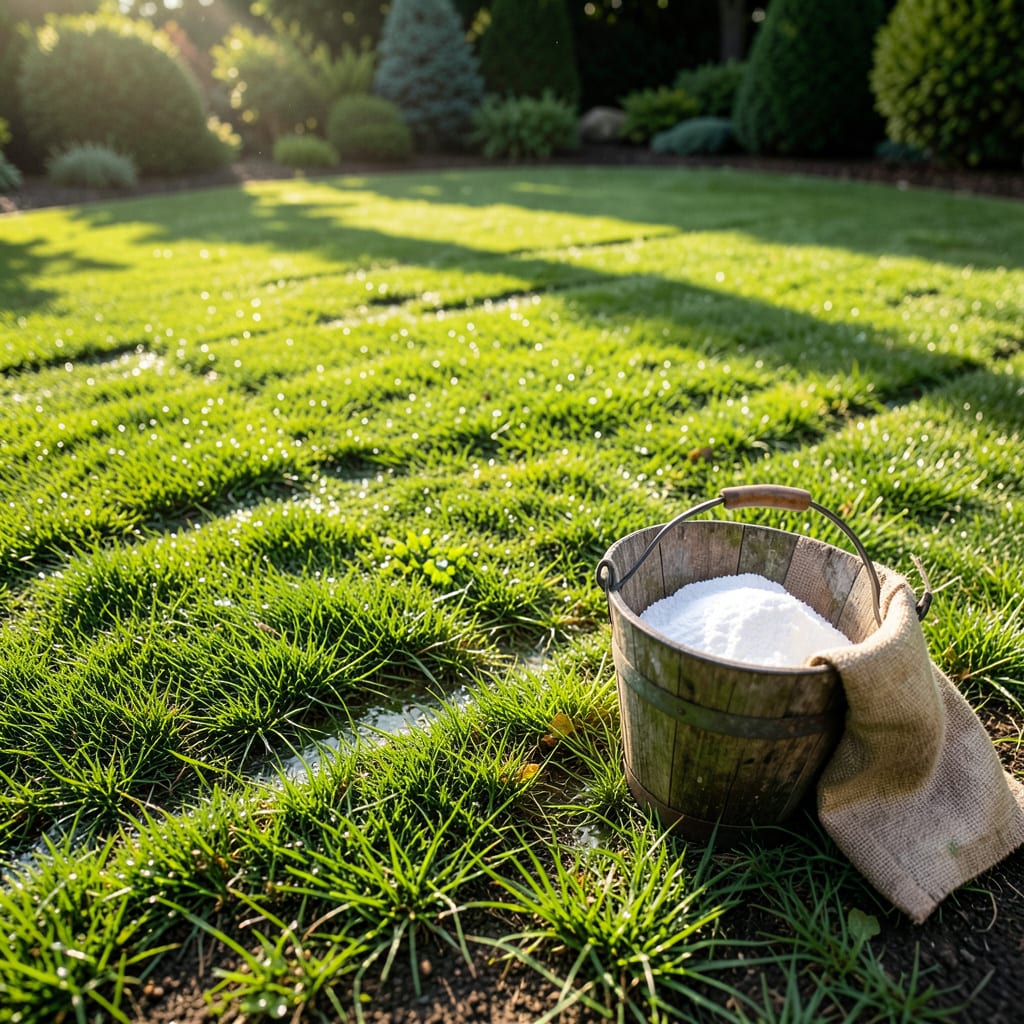
White dust on your grass means trouble. Powdery mildew spreads fast in humid conditions, turning healthy lawns into patchy eyesores.
I’ve battled this fungus every summer until I learned the right approach. Shade, poor airflow, and overwatering are the usual culprits—fix those first.
Organic solutions like neem oil and baking soda sprays work surprisingly well. Chemical treatments exist, but I prefer the gentler route for my yard.
With the right care, your turf can bounce back stronger and resist future outbreaks. Here’s how to tackle it.
Powdery mildew doesn’t just appear out of nowhere—it thrives under specific conditions that weaken your lawn’s defenses. Here’s why it happens:
This fungal disease flourishes in environments with 70-90% humidity but low moisture on the leaves. Unlike other fungi, powdery mildew doesn’t need wet foliage to spread—just stagnant, humid air. Lawns in shaded areas or with dense thatch trap moisture, creating the perfect breeding ground.
Thick, overgrown grass blocks sunlight and airflow, stressing the turf. Weak or nitrogen-heavy lawns (from excessive fertilizer) are especially vulnerable, as soft, rapid growth is more susceptible to infection. Drought-stressed or newly seeded lawns also lack the vigor to resist spores.
Powdery mildew spores activate in 60-80°F (15-27°C) weather, but the real trigger is day-night temperature fluctuations. Cool nights with dew formation followed by warm days accelerate spore germination. This is why it often appears in spring or fall.
Evening watering or overhead sprinklers leave grass blades wet for hours, encouraging fungal growth. Unlike other diseases, powdery mildew can spread even with dry foliage—but wet conditions speed up its lifecycle. Water deeply but early in the morning to allow quick drying.
Combatting powdery mildew in your lawn starts with the right approach. Below are targeted solutions for common causes, along with prevention tips to keep your turf healthy and resilient.
Trim overgrown grass and nearby plants to allow better airflow. Thin out dense areas of turf to reduce humidity buildup. Consider pruning trees or shrubs shading your lawn to let sunlight reach the grass.
Prevention tip: 💡 Mow regularly and avoid overcrowding plants to maintain good air circulation.
Water your lawn in the early morning so the grass has time to dry before evening. Use a moisture meter to avoid overwatering, and aim for deep, infrequent watering sessions (about 1–1.5 inches per week).
Prevention tip: 💡 Install a rain sensor on your sprinkler system to prevent unnecessary watering after rainfall.
Test your soil to identify deficiencies, then amend it with organic matter like compost or well-rotted manure. Use a balanced, slow-release fertilizer to provide essential nutrients without promoting excessive soft growth.
Prevention tip: 💡 Apply a thin layer of compost in spring and fall to improve soil structure and fertility.
If powdery mildew thrives in shaded areas, consider overseeding with shade-tolerant grass varieties like fine fescue or St. Augustine. Alternatively, prune nearby trees or use reflective mulches to redirect sunlight.
Prevention tip: 💡 Plant shade-resistant grass types in areas with limited sunlight to reduce vulnerability.
Spray affected areas with a mixture of 1 tablespoon baking soda + 1 gallon of water + a few drops of dish soap (reapply every 5–7 days). Neem oil or sulfur-based fungicides are also effective organic options.
Prevention tip: 💡 Treat your lawn preventatively in early summer or during humid periods to stop fungi before they spread.
Reapply baking soda or neem oil sprays every 5-7 days until symptoms disappear. Preventative treatments work best when applied at the first sign of humidity spikes.
Yes, but follow label instructions carefully. Apply in the early morning and avoid treating during 90°F+ weather to prevent lawn burn. Always wear protective gear.
Recurring mildew usually means underlying issues like poor drainage or shade. Address airflow and watering habits first—treatments alone won’t solve persistent environmental problems.
Shade-tolerant varieties like fine fescue or St. Augustine hold up better. Avoid Kentucky bluegrass in humid areas—it’s highly susceptible to powdery mildew.
