
Beautiful Plants For Your Interior
Beautiful Plants For Your Interior
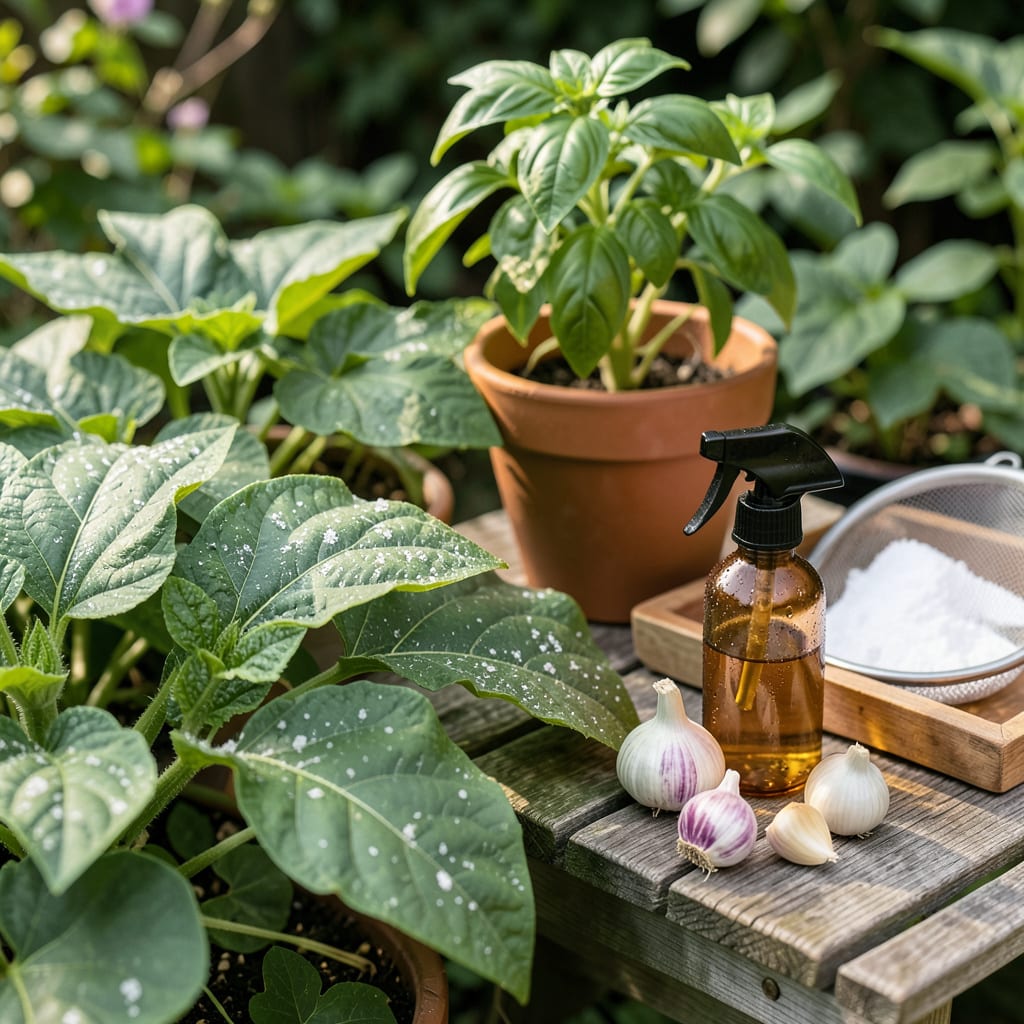
That white dust on your leaves isn’t dirt—it’s trouble. Powdery mildew spreads fast, turning healthy plants into sad, stunted versions of themselves.
I lost a whole row of zucchini to this last summer before figuring out the 3-step fix. The solution starts with better airflow and ends with a homemade spray that works in 24 hours.
You’ll stop the spread immediately and prevent it from coming back next season. No fancy equipment, just items from your kitchen and a little know-how.
Works on roses, cucumbers, squash—any plant that’s fallen victim. Here’s how to fight back.
Powdery mildew thrives under specific environmental and plant health conditions. Understanding these triggers helps you prevent outbreaks before they start.
This fungal disease flourishes in 60–80°F (15–27°C) temperatures with low humidity during the day and high humidity at night. Unlike many fungi, powdery mildew doesn’t need wet foliage to spread—just dry leaves and moderate temperatures. The spores germinate when dew or moisture settles overnight, creating ideal infection conditions.
Crowded plants or stagnant air trap moisture and limit evaporation, giving spores a perfect breeding ground. Dense canopies, overgrown gardens, or indoor plants without airflow are especially vulnerable. Even gentle breezes disrupt spore settlement, so stagnation is the enemy.
Wetting leaves—especially in the evening—extends the time moisture lingers on surfaces. While powdery mildew doesn’t require water to infect, prolonged leaf wetness (from watering or rain) accelerates spore germination. Drip irrigation or soaker hoses at the base of plants reduce this risk significantly.
Some plants are genetically more prone to powdery mildew, including roses, cucumbers, squash, zucchini, phlox, and grapes. These species often lack natural resistance, making them primary targets. Newer disease-resistant cultivars can offer built-in protection.
Plants with excess nitrogen (promoting lush, soft growth) or low potassium/phosphorus are more susceptible. Weak cell walls and rapid, tender growth create easy entry points for spores. Balanced fertilization strengthens plant defenses naturally.
Once you spot that telltale white dust on your leaves, act fast—this fungus spreads quickly. Below are targeted fixes for the most common causes, plus prevention tips to keep it from coming back.
Crowded plants or still air create a humid paradise for mildew. Fix it: Thin out dense foliage with clean pruners, and space pots farther apart. Outdoors, avoid planting in shaded, stagnant corners. Indoors, run a small fan on low for a few hours daily to keep air moving.
Prevention tip: 💡 Prune regularly to open up the canopy and always water at the base—not overhead—to reduce moisture on leaves.
Powdery mildew thrives in 60–80% humidity. Fix it: Water early in the morning so leaves dry by noon. Use a dehumidifier in greenhouses or group humidity-loving plants separately. For outdoor plants, mulch with straw to prevent soil splash.
Prevention tip: 🌡️ Keep humidity below 50% indoors and ensure good drainage to avoid soggy soil.
Too many plants competing for light and air? Fix it: Move pots to sunnier spots or transplant seedlings to give them room. Remove heavily infected leaves or stems immediately (dispose in sealed bags, not compost).
Prevention tip: ✨ Rotate houseplants weekly so all sides get sunlight, and avoid over-fertilizing, which promotes lush, mildew-prone growth.
For immediate action, mix 1 tsp baking soda + 1 quart water + a drop of dish soap and spray lightly on leaves (test on a small area first). Neem oil (1 tbsp per gallon of water) also works—apply at dusk to avoid leaf burn.
Prevention tip: 🎯 Reapply sprays every 7–10 days or after rain, and always coat both sides of leaves.
Remove infected leaves immediately and isolate the plant. Then apply a baking soda spray (1 tsp per quart of water) to remaining foliage. This disrupts the fungus within 24 hours.
Spores linger in soil and air. Improve airflow, avoid overhead watering, and reapply preventive sprays every 7-10 days. Consistent conditions beat occasional treatments.
Yes, but dilute it (2-3 tbsp per gallon of water). Test on one leaf first, as undiluted vinegar can burn plants. It changes pH, making leaves less hospitable to spores.
No, houseplants are equally vulnerable. Poor airflow and high humidity indoors create perfect conditions. Increase ventilation and keep leaves dry.
