
Beautiful Plants For Your Interior
Beautiful Plants For Your Interior
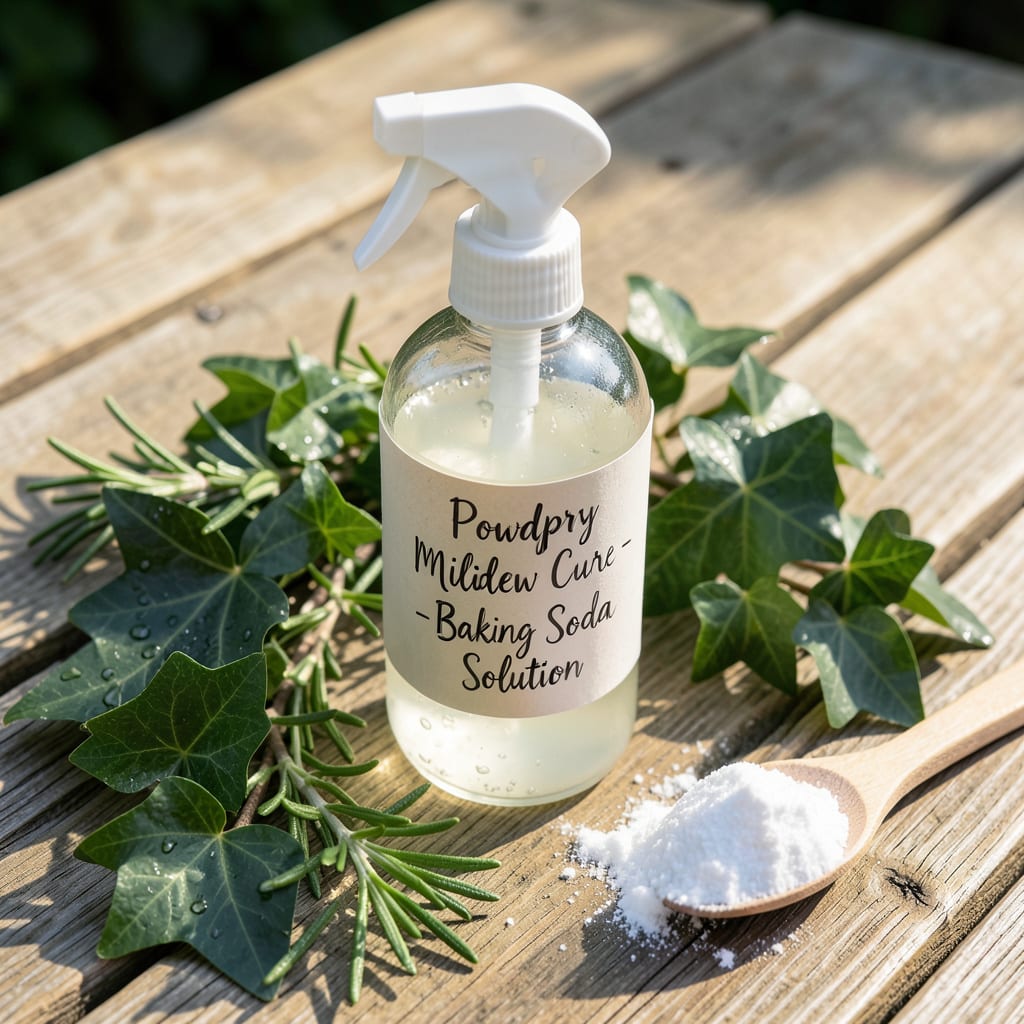
White powder on your leaves isn’t flour—it’s trouble. 🌿 I spotted powdery mildew on my zucchini last summer and panicked, but a simple baking soda spray saved the season.
This isn’t just a band-aid. The spray changes leaf pH, making it hostile to the fungus. Mix 1 tablespoon baking soda with a gallon of water, add a drop of soap, and you’ve got a foolproof treatment.
Prevention beats cure though. Space plants for airflow, water at soil level, and treat early. My squash went from spotted to shockingly lush in 2 weeks.
Safe for edibles, gentle on pollinators, and costs pennies. Here’s the exact method that worked for me.
Powdery mildew thrives under specific conditions, and understanding its triggers is key to prevention. Here’s why your plants may be falling victim:
This fungal disease flourishes in 60–80% humidity combined with stagnant air. When moisture lingers on leaf surfaces without proper ventilation, spores germinate rapidly. Crowded plantings or indoor setups with no airflow are prime targets.
Unlike many fungi, powdery mildew prefers 60–80°F (15–27°C)—ideal for many gardens. Cooler nights with dew formation, followed by warm days, create the perfect storm for infection. Shade-loving plants are especially vulnerable in these conditions.
Wetting foliage during irrigation gives spores the moisture they need to take hold. Dry leaves inhibit growth, so water at the base of plants early in the day to allow surfaces to dry quickly.
Some plants, like roses, cucumbers, and squash, lack natural resistance. Their dense canopies trap humidity, while soft new growth is more prone to infection than mature leaves.
Shade or weak light slows leaf drying and weakens plant defenses. Powdery mildew often appears first on lower leaves or inner foliage where air and sunlight barely reach.
Powdery mildew doesn’t have to mean the end for your plants. With a simple baking soda spray, you can stop the fungus in its tracks and restore your garden’s health. Here’s how to tackle it, step by step.
For mild cases, mix 1 teaspoon baking soda, 1 quart of water, and a few drops of liquid soap (as a surfactant) in a spray bottle. Shake well and apply evenly to affected leaves, focusing on the undersides where mildew often hides. Reapply every 5–7 days or after rain until the issue clears. Pro tip 💡: Test on a small leaf first to check for sensitivity.
If the mildew persists, boost the mix to 1 tablespoon baking soda per gallon of water, adding 1 tablespoon of horticultural oil or neem oil for extra fungal-fighting power. Spray in the early morning to allow leaves to dry before nightfall, reducing the risk of further growth. ✨ Avoid applying in direct sunlight to prevent leaf burn.
🎯 Consistency is key—catch it early, and your plants will thank you!
For active infections, reapply every 5–7 days or after rain. For prevention, spray every 2–3 weeks during humid seasons. Consistency is crucial for keeping mildew at bay.
Stick to mild liquid soaps like Castile or dish soap. Avoid harsh detergents, which can damage plants. Use just a few drops to help the spray adhere to leaves.
Yes, but test on a small area first. Most plants tolerate it well, but sensitive varieties may react. It’s safe for edibles like veggies and herbs.
Horticultural or neem oil boosts fungal-fighting power. It smothers spores and disrupts their growth. Use 1 tablespoon per gallon with baking soda for tough infestations.
