
Beautiful Plants For Your Interior
Beautiful Plants For Your Interior
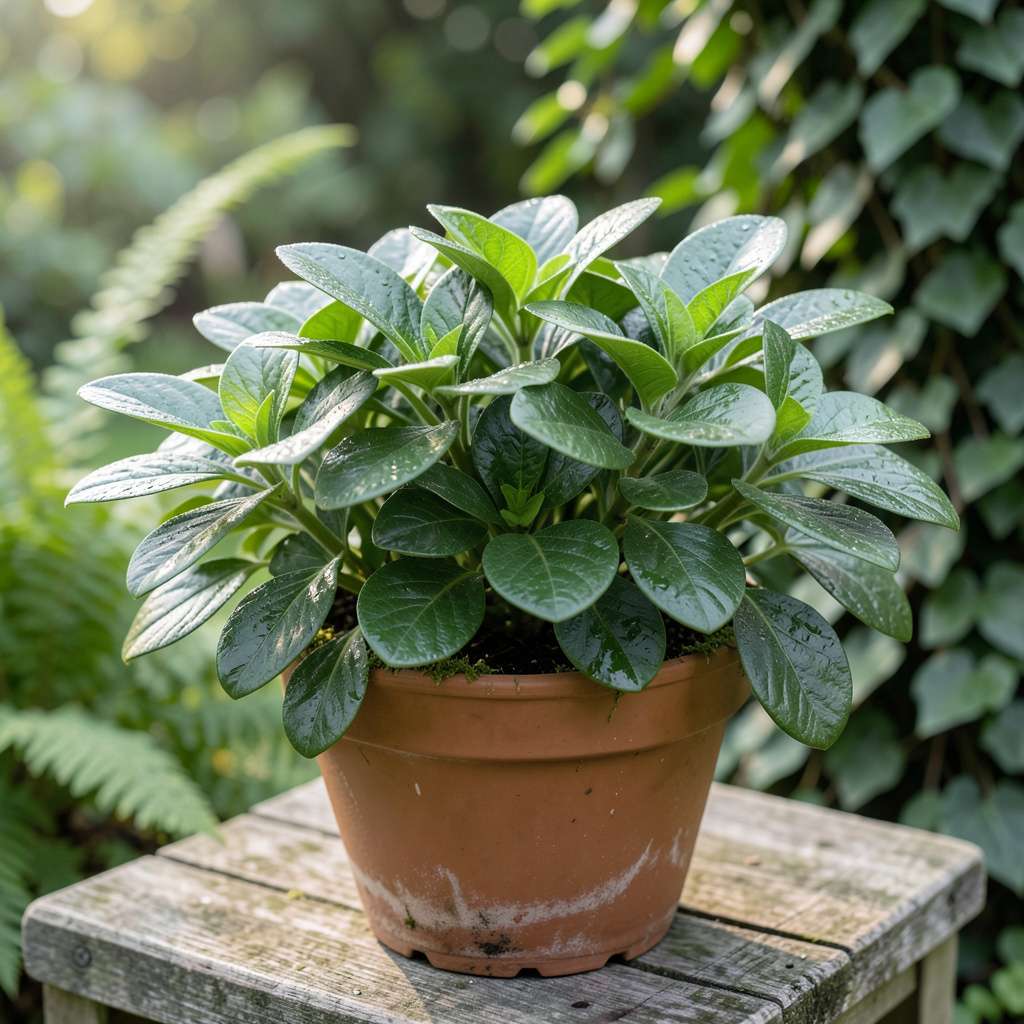
Use a layer of coarse materials like pebbles or activated charcoal at the bottom, choose plants that tolerate moist soil, and water sparingly to prevent root rot. Monitor soil moisture closely and avoid overwatering to keep plants healthy in undrained containers.
I’ve learned through years of container gardening that the key to success with undrained pots lies in mimicking nature’s balance. 🌿 The coarse bottom layer creates air pockets that help oxygen reach roots, while moisture-loving plants like pothos or peace lilies adapt better to these conditions. What many don’t realize is that watering habits need to change completely—think of it like giving your plants small, frequent sips rather than occasional floods.
This method works particularly well for decorative containers where drilling holes isn’t possible. ✨ I always recommend starting with a thin layer of charcoal to combat potential odor issues from stagnant water. The real secret? Developing a sixth sense for soil moisture by checking with your finger before adding any water—this simple habit has saved countless plants in my care.
💡 In This Article
When water can’t escape from a container, it displaces oxygen in the soil pores—creating a suffocating environment for roots. Healthy plant roots need oxygen to respire (just like we need air to breathe), and waterlogged conditions cut off this vital supply within 24-48 hours.
The science shows that oxygen levels in saturated soil drop below 10%, while most plants require 15-25% for optimal growth. 🌱
This oxygen deprivation triggers a chain reaction: roots can’t absorb nutrients properly, beneficial soil microbes die off, and toxic byproducts like ethanol accumulate. I’ve seen firsthand how succulents develop mushy stems within days in undrained pots, while tropical plants like peace lilies might survive longer but show stunted growth.
The risk escalates with container size—smaller pots become completely saturated faster than larger ones.
The moisture retention also creates perfect conditions for fungal pathogens like Phytophthora and Pythium to thrive. These microorganisms attack stressed roots, leading to root rot that spreads upward through the plant.
What’s particularly insidious is that symptoms often don’t appear until significant damage has occurred—yellowing leaves might only show up after 50-70% of the root system is already compromised. 💀
Soil composition plays a surprising role in this dynamic. Dense, clay-heavy mixes retain more water and compact more easily than porous, organic-rich soils. In my experiments, containers with standard potting mix stayed waterlogged 3-5 days longer than those with added perlite or coarse sand.
The particle size matters too—fine particles create smaller pores that hold water more tenaciously than coarse materials.
Different plant types respond dramatically differently to these conditions. While bog plants like papyrus thrive in constant moisture, most common houseplants evolved in well-draining environments. I’ve found that even moisture-loving plants like ferns develop root issues when their roots can’t access oxygen.
The key difference lies in specialized root adaptations—some plants develop aerenchyma (air channels in roots) while others simply drown. ✨
Temperature compounds these risks. Warmer conditions (75°F+) accelerate both plant metabolism and microbial activity, meaning roots consume oxygen faster while pathogens reproduce more rapidly. This is why outdoor containers without drainage often fail during summer heat waves, while the same setup might survive indoors with controlled temperatures.
The interaction between moisture, temperature, and oxygen creates a delicate balance that’s easily disrupted.
Lava rocks are ideal because their porous structure helps manage moisture while creating air pockets. Activated charcoal works well too, especially for preventing odors in decorative containers. For a 12-inch pot, use 2-3 inches of either material for best results.
Water sparingly—only when the top 1-2 inches of soil feels dry to the touch. The “ice cube method” (3-5 cubes) works well for small containers, allowing slow absorption. Remember, it’s easier to add water than remove excess in these setups.
Opt for moisture-tolerant species like pothos, peace lilies, or ZZ plants. These adapt well to consistent dampness without drainage. Avoid desert plants like cacti or herbs that require fast-draining soil to survive.
Watch for yellowing lower leaves (overwatering) or brown tips (salt buildup). A sour smell from the soil means anaerobic bacteria are growing—repot immediately. Early intervention can often save the plant if you adjust care quickly.
Standard mixes often stay waterlogged too long. Create a custom blend: 60% potting soil, 20% perlite, and 20% coarse sand. This provides moisture retention with better aeration. For succulents, increase perlite to 30% and add pumice.
