
Beautiful Plants For Your Interior
Beautiful Plants For Your Interior
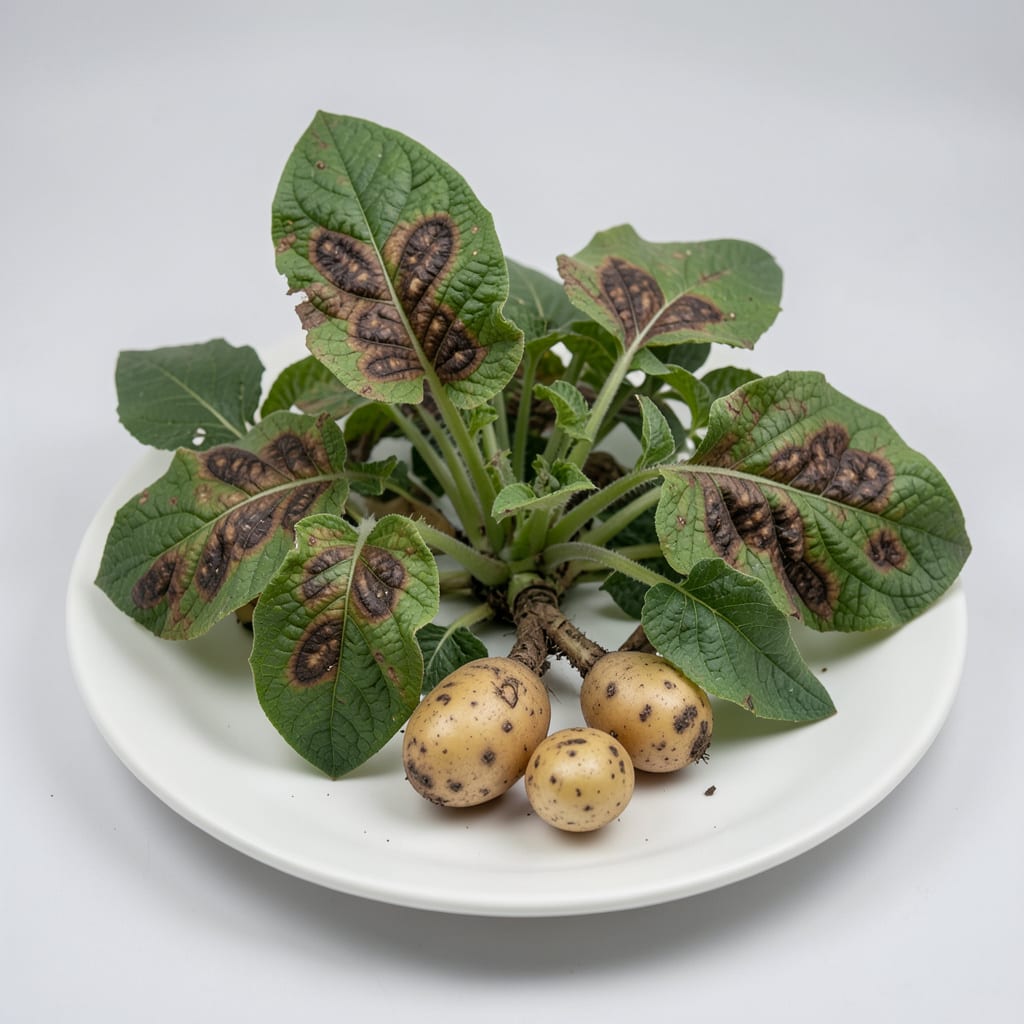
Brown spots on your potato leaves aren’t just ugly—they’re a warning. I lost half my crop to early blight before learning how to stop it in its tracks.
This fungus thrives in wet, humid conditions, attacking leaves first then moving to tubers. The good news? Simple cultural changes can break its cycle before it spreads.
Rotation, proper spacing, and early morning watering make a huge difference. Remove infected foliage immediately—don’t compost it. Clean tools matter too.
For stubborn cases, copper fungicides or organic sprays work. But prevention beats treatment every time. Here’s how to protect your harvest.
Early blight in potatoes doesn’t appear out of thin air—it’s sparked by a mix of environmental conditions, pathogen activity, and cultural practices. Here’s a breakdown of the primary causes:
The culprit behind early blight is the fungus Alternaria solani, which thrives in plant debris, soil, and infected seed potatoes. This pathogen overwinters in contaminated fields and spreads via wind, rain, or farming equipment. Even a small amount of infected material can trigger an outbreak under the right conditions.
The disease flourishes in temperatures between 75–85°F (24–29°C) with high humidity or frequent rainfall. Prolonged leaf wetness (from dew, irrigation, or rain) gives the fungus the moisture it needs to germinate and infect potato foliage. Dry, hot spells may slow its progress, but the fungus remains dormant until conditions improve.
Planting potatoes or other solanaceous crops (like tomatoes or eggplants) in the same field year after year allows A. solani to build up in the soil. Without a 3–4 year rotation with non-host crops, the pathogen persists, increasing the risk of early blight in subsequent seasons.
Watering from above wets the leaves, creating ideal conditions for fungal spores to adhere and infect. Switching to drip irrigation or watering at the base of plants reduces leaf wetness and can significantly lower disease pressure.
Potatoes under stress—whether from nutrient deficiencies (especially nitrogen or potassium), drought, or mechanical damage—are more vulnerable to infection. Healthy, well-fertilized plants can better resist or recover from early blight attacks.
Stopping potato early blight starts with smart field practices and quick action. Below are field-tested fixes mapped to the most common causes, plus prevention tips to keep your crop healthy.
Always plant disease-free, certified seed potatoes. If early blight has appeared before, avoid saving seeds from your own harvest. Inspect seeds for dark lesions or sunken spots before planting. Discard any that look suspicious.
Early blight thrives in damp conditions. Water at the base of plants in the early morning so foliage dries quickly. Space rows wider to boost airflow, and avoid overhead irrigation. Drip irrigation is ideal for keeping leaves dry.
Rotate potatoes with non-host crops like corn, beans, or cereals for at least 2–3 years. This breaks the disease cycle by starving the fungus in the soil. Avoid planting potatoes or other solanaceous crops (like tomatoes) in the same spot year after year.
At the first sign of brown or yellow spots on lower leaves, remove and burn or bury infected plants (do not compost). Apply a copper-based fungicide or bio-fungicide like Bacillus subtilis early in the season as a protective measure, following label rates.
Look for small, dark brown spots with concentric rings on older leaves. These spots often have a yellow halo and appear first on lower foliage.
Under ideal conditions for the fungus (75–85°F with humidity), early blight can spread rapidly, affecting most plants within 2–3 weeks if left unchecked.
No, never use tubers from infected plants as seed. The fungus can survive in tubers and soil, guaranteeing next year’s crop will start with the disease already present.
Yes, copper fungicides and bio-fungicides like Bacillus subtilis work well when applied early. Combine with cultural practices like crop rotation for best results.
