
Beautiful Plants For Your Interior
Beautiful Plants For Your Interior
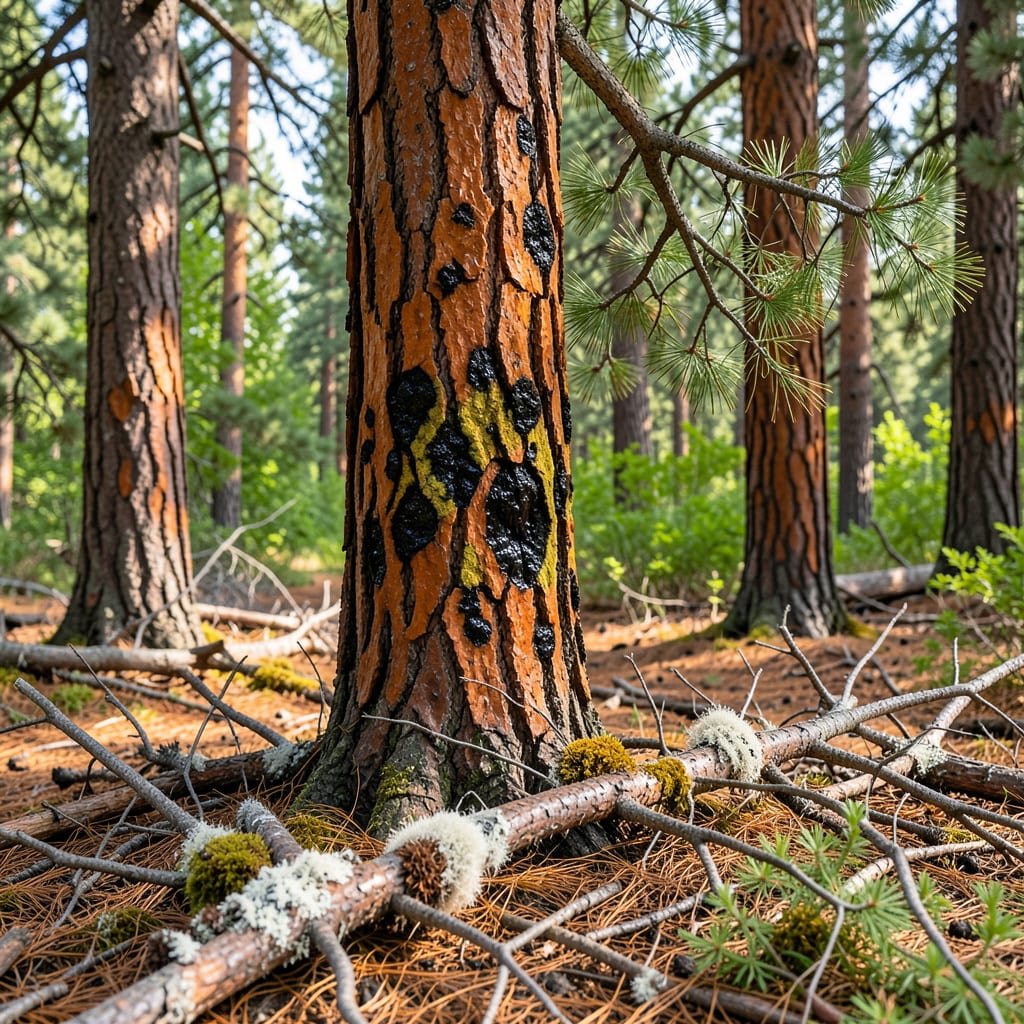
I’ve stood under too many ponderosa pines watching their needles turn brown, wondering what went wrong. Identifying disease early saves these giants from slow decline.
The signs show up first in the needles—yellowing, spotting, or premature drop. Some diseases hit the bark with oozing cankers or peeling layers. Others attack the roots, stunting growth before you notice the damage.
With the right pictures and descriptions, you can match symptoms to the culprit fast. Fungal infections, beetle borers, and environmental stress all leave distinct marks.
Catching it early means targeted treatment and a fighting chance for your trees. Here’s how to spot the trouble before it spreads.
Ponderosa pine diseases often stem from a mix of environmental stressors, pathogens, and pests. Here’s a breakdown of the primary causes, each with its own scientific basis and actionable insights:
Fungi like Dothistroma septosporum (causing Dothistroma needle blight) thrive in wet, humid conditions. These pathogens infect needles, leading to discoloration and defoliation. Prevention: Improve air circulation, avoid overhead irrigation, and apply fungicides during wet seasons.
Bark beetles, such as the mountain pine beetle, bore into the tree’s phloem, disrupting nutrient flow. Stressed trees (from drought or root damage) are especially vulnerable. Action: Monitor for boreholes and sawdust-like frass. Use pheromone traps or insecticides if detected early.
Drought, extreme temperatures, or poor soil conditions weaken the tree’s immune system, making it susceptible to secondary infections. Solution: Ensure proper watering (deep, infrequent soaks) and mulch to retain moisture.
Bacteria like Pseudomonas syringae cause cankers and dieback. These enter through wounds (e.g., pruning cuts) and spread in cool, wet weather. Fix: Sterilize pruning tools and remove infected branches immediately.
Early identification (via visual symptoms) and targeted interventions can save your ponderosa pines from irreversible damage.
Addressing ponderosa pine diseases early can save your tree and prevent further spread. Below are actionable solutions for common issues, paired with prevention tips to keep your pines thriving. 🌲✨
Pro tip: Always disinfect pruning tools between cuts with rubbing alcohol to prevent spreading pathogens. Early intervention is key—inspect your pines regularly for the warning signs shown in disease pictures!
Early symptoms often include needle discoloration like yellow or brown spots. You may also notice premature needle drop or unusual growths on the bark.
Fungal issues often show as powdery mildew or dark spots on needles. Pest damage appears as bore holes in the bark or sawdust-like frass at the base.
Early spring or fall is ideal for most treatments. Apply fungicides before wet seasons and insecticides at first signs of beetle activity.
Yes! Excess moisture creates perfect conditions for root rot and fungal growth. Ensure proper drainage and water deeply but infrequently.
