
Beautiful Plants For Your Interior
Beautiful Plants For Your Interior
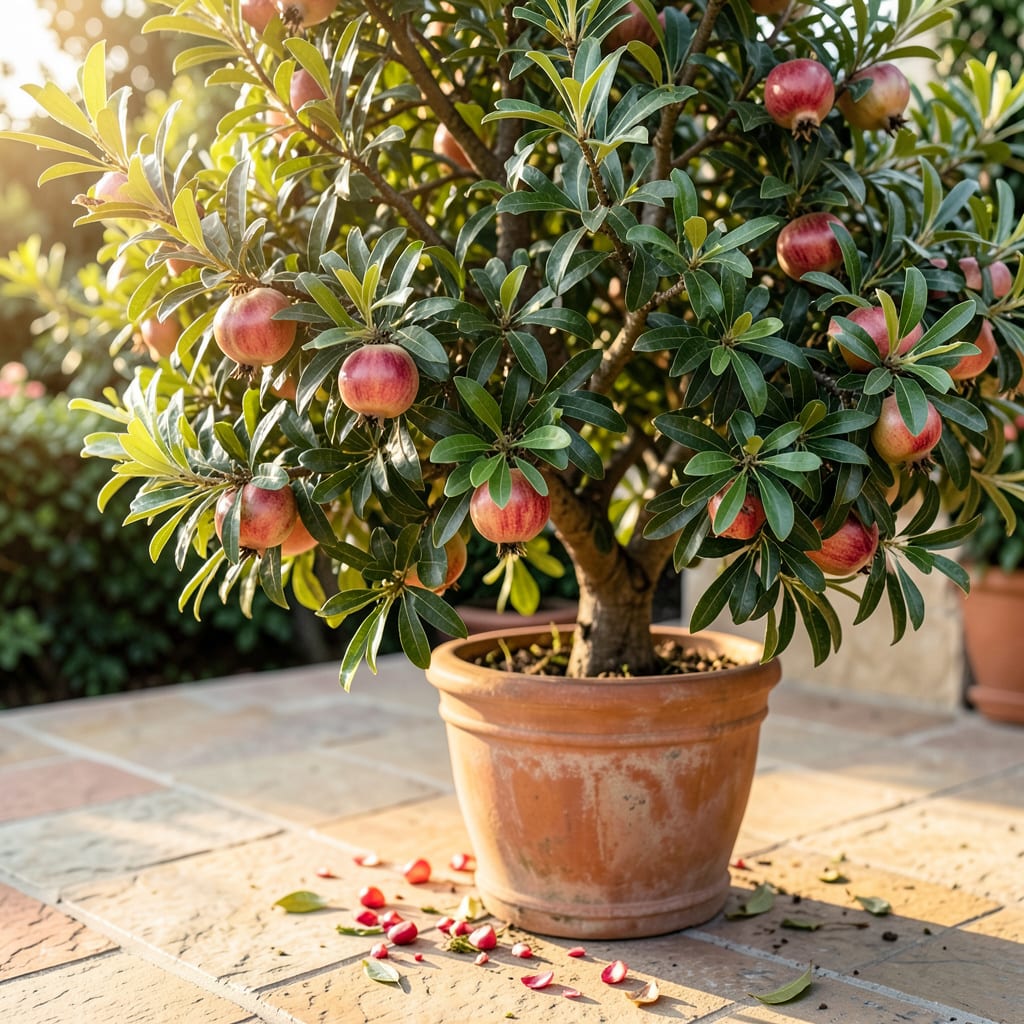
My pomegranate tree’s leaves started curling last week, and I knew something was off. Turns out, it’s usually a sign of stress—whether from too little water, not enough nutrients, or even pesky pests making themselves at home.
I’ve seen this happen when the soil gets bone dry or when aphids cluster on new growth. Other times, it’s a magnesium or potassium deficiency showing up as those telltale curled edges. The good news? Most fixes are simple and fast.
With the right approach, you can see leaves uncurling within a week. I focus on checking soil moisture first, then inspecting for pests before adjusting my fertilizer routine.
Prevention is easier than cure, though. Regular watering, balanced feeding, and early pest control keep this problem from ever starting. Here’s how to tackle it head-on.
Curling leaves on your pomegranate tree usually signal an underlying stressor. Here are the most common causes, explained with actionable insights:
Extreme heat or cold can trigger leaf curling as a survival response. Pomegranates thrive in USDA zones 7–11, and temperatures below 40°F (4°C) or above 100°F (38°C) may damage cells, causing dehydration and curling. Drought stress (from inconsistent watering) also leads to turgor loss, making leaves curl inward to reduce surface area and moisture loss.
Lack of key nutrients like magnesium (interveinal chlorosis + curling) or potassium (leaf edges brown and curl) disrupts photosynthesis and cell function. A soil test can confirm imbalances—pomegranates prefer slightly acidic to neutral soil (pH 5.5–7.0). Over-fertilization with nitrogen can also cause rapid, weak growth prone to curling.
Sap-sucking pests like aphids, whiteflies, or spider mites drain fluids from leaves, causing distortion and curling. Check the undersides of leaves for sticky residue (honeydew) or webbing. Scale insects are another culprit, often hiding along stems and veins.
Pathogens like leaf spot diseases (e.g., Cercospora) or bacterial blight can cause localized curling as tissues die. Wet foliage and poor air circulation create ideal conditions for spores to thrive. Copper-based fungicides may help, but prevention (pruning for airflow, avoiding overhead watering) is key.
If your pomegranate tree’s leaves are curling, act fast with these targeted fixes. Each cause has a clear, practical solution to restore your tree’s health.
Shield your tree from extreme heat by providing afternoon shade with a shade cloth. Water deeply 2–3 times a week (early morning or late evening) to keep the soil consistently moist but not waterlogged. Mulch with 2–3 inches of organic material (like wood chips) to retain moisture and cool the roots.
Prevention tip: 💡 Install drip irrigation for steady, stress-free hydration.
For aphids, whiteflies, or mites, spray leaves with a neem oil solution (1 tbsp neem oil + 1 tsp dish soap per gallon of water) every 5–7 days until pests disappear. For severe cases, use insecticidal soap or introduce beneficial insects like ladybugs.
Prevention tip: 🎯 Inspect leaves weekly and prune heavily infested branches to stop the spread.
If leaves curl with yellowing or stunted growth, test your soil. Amend with:
Prevention tip: ✨ Feed your tree with compost every spring to maintain nutrient-rich soil.
Flush the soil with water to remove excess salts from over-fertilizing. If herbicide drift is suspected, prune damaged leaves and rinse the tree with water. Avoid fertilizing for 4–6 weeks to let the tree recover.
Prevention tip: 🔥 Always apply fertilizers at half-strength and avoid spraying herbicides near your tree.
Water deeply 2–3 times a week during dry spells. Ensure the soil stays moist but not soggy to prevent further stress.
Yes, overwatering can suffocate roots, leading to poor nutrient uptake and curled leaves. Always check soil moisture before watering.
Inspect leaf undersides for tiny insects, sticky residue, or webbing. Aphids and spider mites are common culprits.
Apply Epsom salt for magnesium or a balanced fertilizer for general deficiencies. Results often appear within 1 week.
