
Beautiful Plants For Your Interior
Beautiful Plants For Your Interior
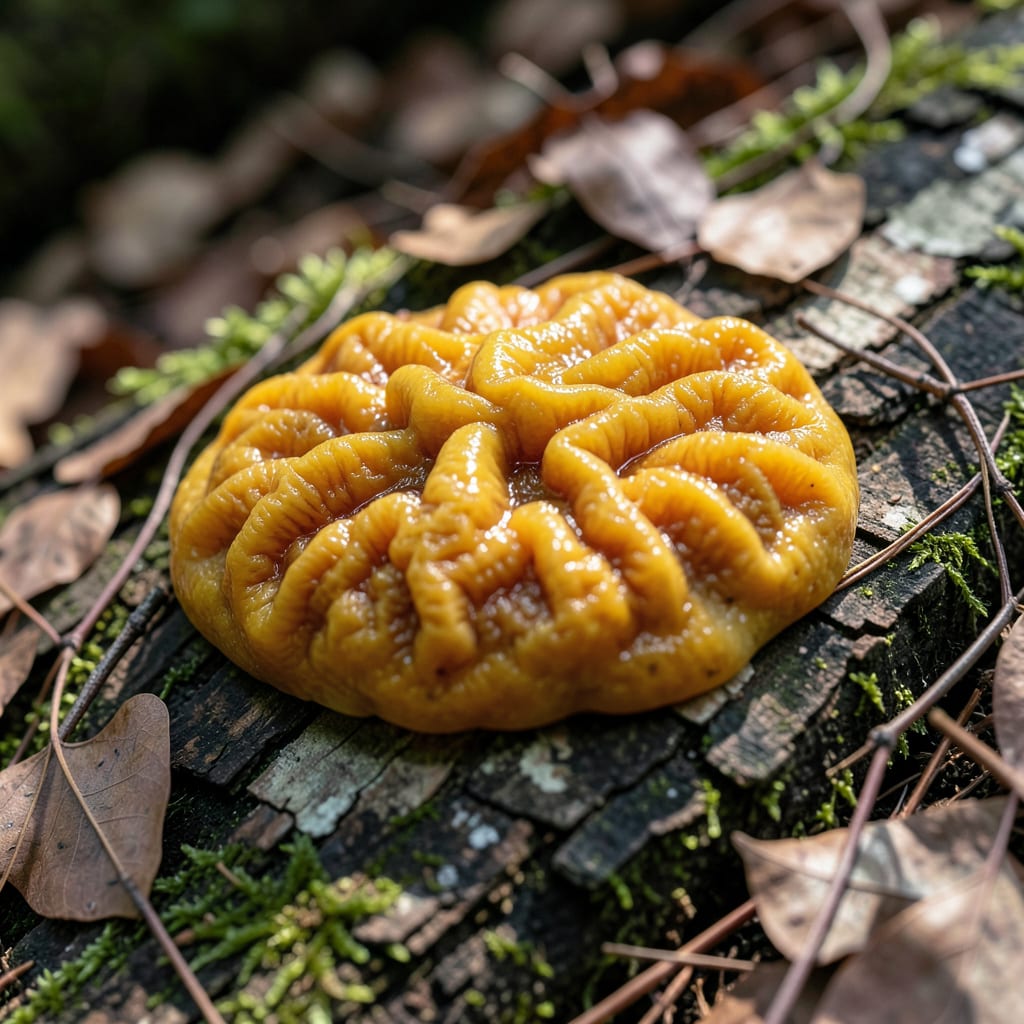
Yellow blobs appeared overnight in my mulch beds last summer. Turns out it was dog vomit slime mold—harmless but alarming to discover in your garden.
This fungus isn’t poisonous to touch, and it doesn’t harm plants or pets. It thrives on decaying wood and moisture, showing up after rains or heavy watering.
I was worried my dogs would get sick, but it’s not toxic. Still, the look and smell make most people want it gone fast.
Removal is simple: scoop it up with a shovel or spray with water. No chemicals needed for this garden oddity.
The emergence of Fuligo septica, commonly known as dog vomit slime mold, is driven by specific environmental and biological factors. Below are the primary causes behind its sudden appearance in your garden or lawn.
Slime molds thrive in damp conditions. Heavy rainfall, overwatering, or poor drainage creates the perfect breeding ground for Fuligo septica. This organism requires consistent moisture to grow and spread, often appearing after prolonged wet periods.
Decaying organic matter, such as leaf litter, mulch, or wood chips, provides the nutrients slime molds need to develop. Areas with thick layers of decomposing material are prime spots for this organism to colonize and form its distinctive, foam-like structures.
Dog vomit slime mold favors warm, humid environments. It typically emerges in late spring to early summer when temperatures range between 70–90°F (21–32°C). These conditions accelerate its growth cycle, leading to rapid expansion across moist surfaces.
Stagnant air traps moisture and heat, creating an ideal microclimate for slime mold development. Dense plantings, shaded areas, or compacted soil can restrict airflow, allowing this organism to flourish undisturbed.
Understanding these triggers helps you take preventive action, such as improving drainage or removing excess debris, to minimize its occurrence.
Dealing with dog vomit slime mold (or Fuligo septica) can be unsettling, but it’s manageable with the right approach. Below are targeted solutions for common scenarios, along with prevention tips to keep your yard or garden mold-free.
Cause: Excess moisture and organic debris (e.g., wood chips, leaves) create the perfect breeding ground.
Fix:
Cause: Damp, undisturbed mulch retains moisture, encouraging mold growth.
Fix:
Cause: Poor drainage or shaded, damp areas attract slime mold.
Fix:
Prevention Tips: 💡
Slime mold is harmless to plants and pets once removed, so stay calm and tackle it systematically!
No, despite its alarming name and appearance, it is not poisonous. Dogs and cats can safely be around it, though they may find the texture unappealing.
It can expand rapidly in 24-48 hours under ideal conditions of warmth and moisture. However, it doesn’t harm plants or lawns.
It might return if the damp, organic-rich environment remains unchanged. Improve drainage and reduce debris to prevent regrowth.
Avoid harsh chemicals—it’s unnecessary and can harm plants. Simple removal or a water spray is the safest and most effective method.
