
Beautiful Plants For Your Interior
Beautiful Plants For Your Interior
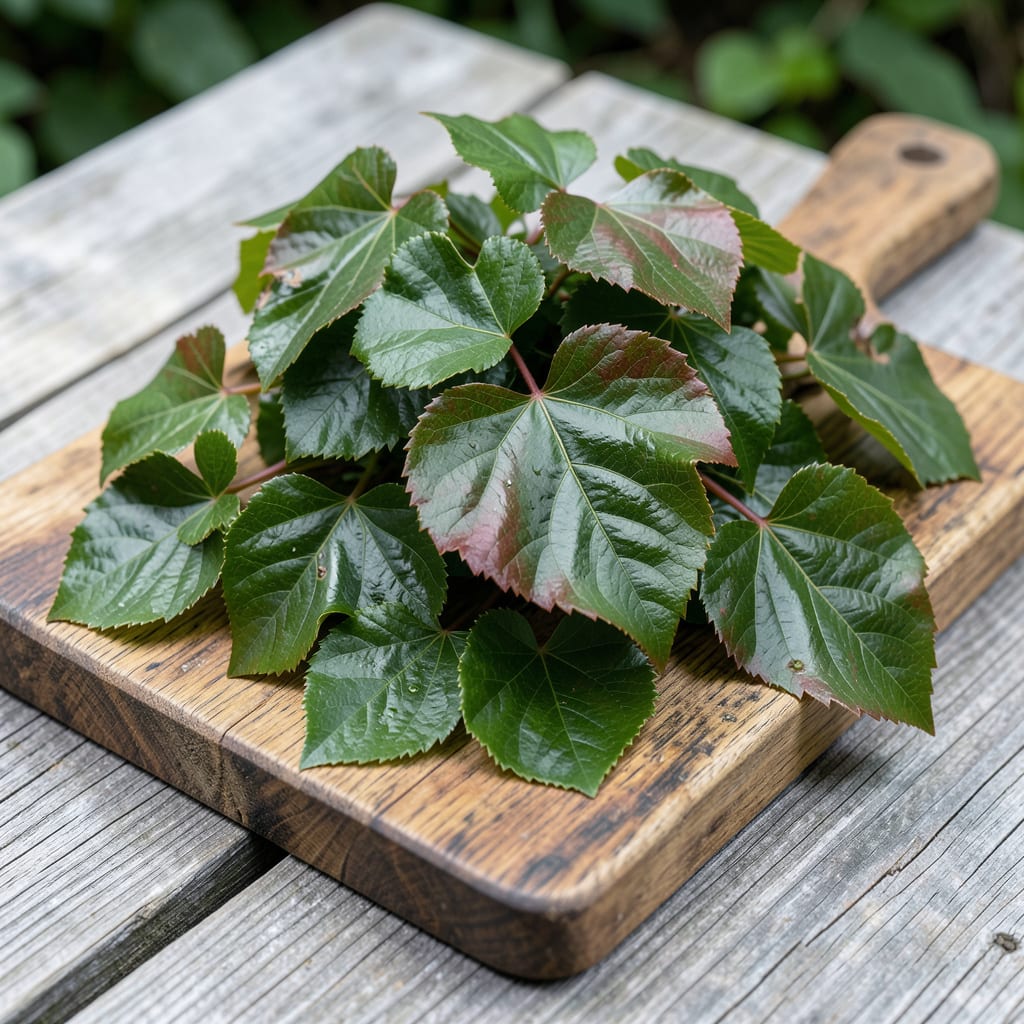
That three-leaf pattern in your garden might be trouble. I learned the hard way that poison ivy vine leaves often hide among harmless plants, and the itchy rash isn’t worth the risk.
Spotting the glossy leaves with their jagged edges early saves you weeks of discomfort. Safe removal means gloves, long sleeves, and a careful approach—never burn it, or you’ll inhale the irritating oils.
📚 In This Guide
Here’s the method I use to spot and safely eliminate this troublesome plant from gardens and landscapes.
Poison ivy always grows in clusters of three pointed leaflets—this is the most reliable identifier. The middle leaflet has a slightly longer stem than the two side ones. I check for this pattern first, as it’s present on both vines and shrubs.
The leaves are 2-6 inches long with smooth or slightly toothed edges. In spring, they appear glossy and reddish, turning bright green in summer, then vibrant red or orange in fall. You’ll also notice white berries on mature plants in late summer.
This plant grows as a vine or shrub, often climbing trees with hairy aerial roots. On the ground, it spreads as a low shrub with multiple stems. I look for the distinctive alternate leaf arrangement—leaves grow on opposite sides of the stem at different heights rather than in pairs.
The vines can be 1-4 inches thick when mature, with a hairy, rope-like appearance. In wooded areas, it often grows up tree trunks. Remember that poison ivy can blend in with other vegetation, so examine plants carefully before touching.
I always wear long sleeves, pants, and vinyl or leather gloves when working near poison ivy. The oils (urushiol) can remain active on tools and clothing for years. Cover as much skin as possible, and consider wearing safety goggles if using power tools.
Work on a cool, overcast day if possible—the oils spread more easily when plants are hot and sweaty. Have a trash bag ready for immediate disposal of plant material. Never burn poison ivy, as the smoke can carry urushiol particles that cause severe lung irritation.
For small patches, I use a shovel to dig out the entire plant, including roots. The roots can extend 12 inches deep and spread several feet underground. Pull gently but firmly to remove as much root system as possible.
For vines climbing trees, cut the vine at the base and carefully pull it down from the trunk. Don’t yank—this can break the vine and leave roots behind. After removal, wash tools with soap and water, and dispose of plant material in sealed bags. Never compost poison ivy.
After removal, I wash the area with soap and water, including any exposed skin. The oils can remain active on surfaces for months. Use a solution of 1 part vinegar to 1 part water to clean tools and gloves.
Monitor the area for new growth, as seeds can remain viable in the soil for 5+ years. Check weekly during the growing season. If regrowth appears, remove it immediately before it spreads. I’ve found that persistence is key—most infestations require multiple removal sessions.
Here are ways to avoid the most common pitfalls when dealing with this plant.
Visual Confirmation: Always double-check for the clusters of three pointed leaflets mentioned in Step 1. I’ve made the mistake of focusing on leaf color alone, but that can change with the seasons. The three-leaf pattern is your most reliable identifier, whether you’re looking at vines or shrubs.
Safety Gear Essentials: In Step 3, I emphasize wearing vinyl or leather gloves because the urushiol oils can penetrate thinner materials. Don’t make my early mistake of using cotton gardening gloves – those oils will soak right through. Long sleeves and pants are non-negotiable, even on warm days.
Root Removal Strategy: When following Step 4, remember that those roots can extend 12 inches deep as mentioned. Use a sharp shovel and work methodically around the plant’s base. I learned the hard way that pulling too quickly often leaves root fragments behind, which can regrow.
Post-Removal Vigilance: Step 5 mentions monitoring for 5+ years, and that’s not an exaggeration. I’ve seen new sprouts appear years after I thought I’d cleared an area completely. Mark your calendar to check weekly during growing season – it’s the only way to catch regrowth early.
Look for clusters of three pointed leaflets (“leaves of three, let it be”), with the middle leaflet often having a longer stem. Leaves may be glossy or dull, with edges that are smooth or slightly toothed.
Wash the affected skin immediately with soap and cool water. Remove and wash contaminated clothing separately. Apply calamine lotion or hydrocortisone cream to relieve itching. Seek medical help for severe reactions.
Early spring or late fall is ideal, as the plant is less active. Avoid removal during warm, sunny days when its oils (urushiol) are most potent. Wear protective gear year-round.
Yes! Smother the plant with thick layers of cardboard or mulch. Alternatively, pull it by hand (with gloves and long sleeves) or use a natural vinegar-salt solution for small patches.
Poison ivy has deep roots, and even small fragments left in the soil can regrow. Ensure you remove the entire root system, and monitor the area for new sprouts.
