
Beautiful Plants For Your Interior
Beautiful Plants For Your Interior
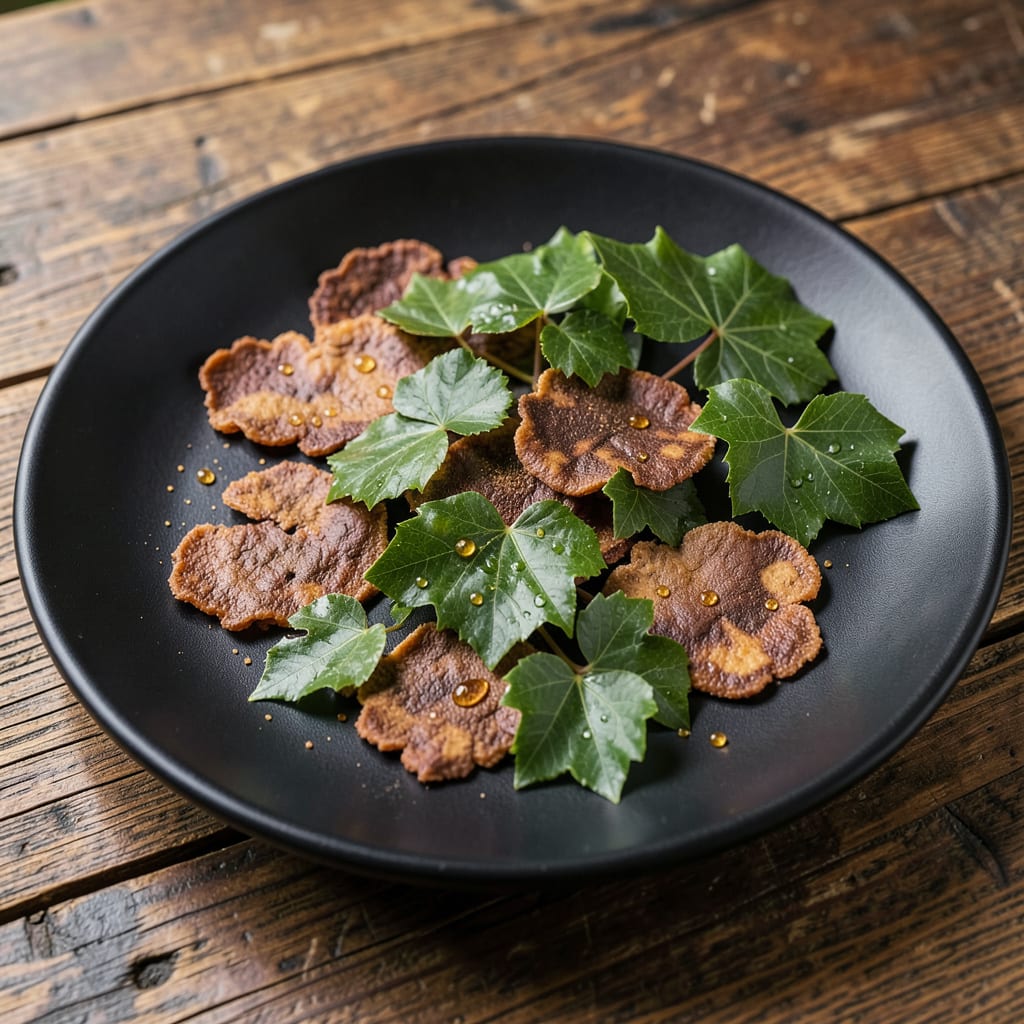
Those brown spots on your poison ivy aren’t just unsightly—they’re a warning sign. I learned the hard way that ignoring them leads to bigger problems, and trust me, you don’t want to handle this plant when it’s stressed.
Fungal infections, pests, or even drought can trigger the discoloration, but the real danger is what comes next. Weakened plants spread more aggressively, and their oil becomes even more potent. Safety first means spotting the issue before it spreads.
Treatment starts with isolation and careful removal. Wear long sleeves, gloves, and wash everything afterward. The right approach stops the spread and protects your skin from that infamous rash.
Prevention is simpler than you think. Keep an eye on moisture levels and inspect leaves regularly. Catching it early saves you from a season of itchy regret.
Poison ivy reactions start when your skin touches urushiol, the oily resin found in the plant’s leaves, stems, and roots. This oil triggers an allergic response in most people, leading to redness, itching, and—eventually—brown spots as the skin heals. Below are the key reasons these discolorations appear.
Urushiol binds to skin proteins, prompting your immune system to overreact. The initial inflammation (redness, blisters) damages melanin-producing cells. As the skin repairs itself, post-inflammatory hyperpigmentation (PIH) sets in, leaving temporary brown or tan marks. This is your body’s natural healing process, not an infection.
Freshly healed poison ivy rashes are extra sensitive to UV rays. Sunlight stimulates melanin production in the affected area, darkening the spots. Without protection (like broad-spectrum SPF 30+), these patches can linger longer than the typical 3–6 months.
Scratching or re-exposing the rash to irritants (e.g., sweat, harsh soaps) prolongs inflammation. The longer the skin stays inflamed, the higher the chance of excess melanin deposition, deepening the brown discoloration. Keeping the area clean and moisturized helps minimize this.
Dealing with brown spots from poison ivy? Here’s how to tackle the issue based on the cause—and keep it from coming back.
If the spots are new and itchy, wash the area immediately with cool water and mild soap (like dove or Cetaphil) to remove the plant’s oil, urushiol. Apply calamine lotion or hydrocortisone cream (1%) 2–3 times a day to soothe itching. Pro tip 💡: Oatmeal baths can ease discomfort for larger affected areas.
If brown spots linger or spread, see a doctor. They may prescribe oral antihistamines (like Benadryl) or a stronger steroid cream. For severe cases with blisters, avoid popping them—this can worsen infection risk. Instead, use cool compresses to dry them out.
Prevention tip 🌡️: If you’re highly sensitive, consider oral steroids (under doctor supervision) before known exposure to reduce reaction severity.
Brown spots typically fade within 3-6 months as your skin heals. Using sunscreen daily prevents them from darkening further.
Yes, scratching prolongs inflammation and increases melanin production. Keep nails short and use anti-itch cream instead.
Gently exfoliate 1-2 times weekly and apply vitamin C serum to brighten the area. Always patch test new products first.
Only use non-comedogenic, fragrance-free products on fully healed skin. Avoid makeup on open blisters or active rashes.
