
Beautiful Plants For Your Interior
Beautiful Plants For Your Interior
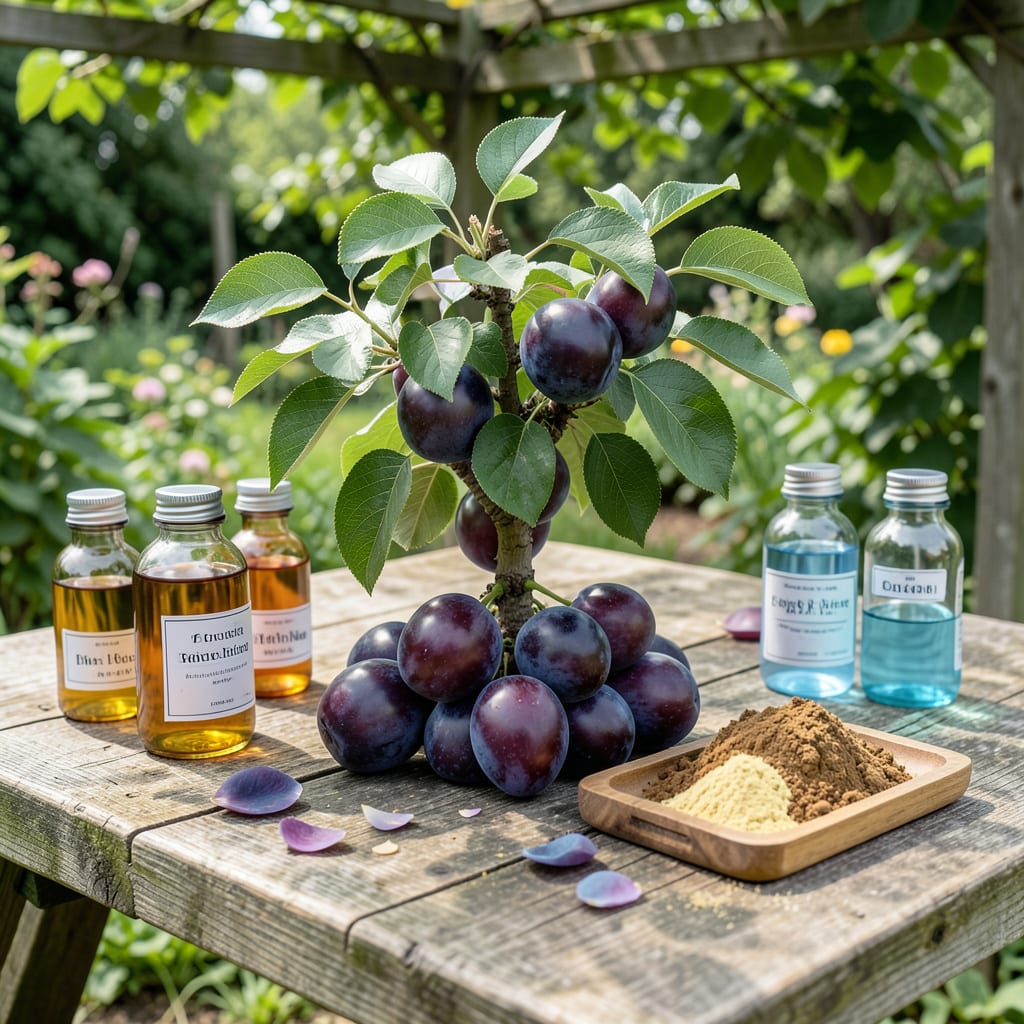
Brown spots on leaves or fuzzy mold on fruit usually means trouble. 🌿 I’ve saved more plum trees than I can count with simple, organic fixes that work fast.
The key is catching problems early—before they spread to the whole tree. Most issues start with poor air circulation or wet conditions, but the right treatment can stop them in their tracks.
You’ll see healthier growth within 2-3 weeks of applying these solutions. No harsh chemicals needed, just targeted care that keeps your orchard productive.
Works for backyard trees, small orchards, or even potted plums. Here’s how to diagnose and treat what ails your trees.
Plum trees, like all plants, are vulnerable to diseases triggered by specific environmental, biological, and cultural factors. Understanding these root causes helps in prevention and targeted treatment.
Excessive moisture from poor drainage or heavy rainfall creates ideal conditions for fungal diseases like brown rot and leaf spot. Conversely, drought stress weakens the tree, making it more susceptible to infections. High humidity and poor air circulation in dense plantings also encourage pathogen spread.
Fungal, bacterial, and viral pathogens thrive in orchards due to contaminated tools, infected plant debris, or insect vectors (e.g., aphids spreading plum pox virus). Overhead watering can splash spores from soil to leaves, accelerating infections like silver leaf disease.
Improper pruning (e.g., leaving stubs) invites canker and dieback. Over-fertilization, especially with nitrogen, promotes lush, weak growth that’s prone to powdery mildew. Planting susceptible varieties without resistant rootstocks also increases disease risk.
Insects like plum curculio and borers create entry points for pathogens. Their feeding wounds allow fungi and bacteria to colonize the tree, leading to secondary infections. Weakened trees from pest damage are less able to fend off diseases naturally.
Keeping your plum trees healthy starts with quick, targeted action. Below are practical fixes for common issues, paired with prevention tips to stop problems before they start.
Cut off infected fruit and branches immediately—don’t compost them. Apply copper fungicide or a baking soda spray (1 tbsp baking soda + 1 tsp dish soap + 1 gallon water) every 10 days during wet seasons. Prevention tip 💡: Thin fruit early to improve airflow and reduce humidity.
Blast pests off with a strong water spray or use insecticidal soap (2 tbsp soap + 1 gallon water). Introduce ladybugs or lacewings for natural control. Prevention tip 🎯: Prune suckers and weeds near the tree to eliminate hiding spots.
Remove affected branches 6 inches below visible damage, and sterilize tools with rubbing alcohol between cuts. Apply a fungicide with tebuconazole after pruning. Prevention tip ✨: Avoid pruning in wet weather, and clean up fallen leaves promptly.
Spray copper-based bactericide at the first sign of spots, repeating every 7–10 days. Remove and destroy infected leaves. Prevention tip 🌡️: Water at the base (not overhead) to keep foliage dry.
Consistency is key—monitor trees weekly and act fast. A little effort now saves a lot of heartache later!
Apply every 10 days during wet seasons or after rain. Use copper fungicide or a baking soda spray for best results. Consistency is key to stopping spores before they spread.
Yes! A baking soda spray (1 tbsp + 1 tsp dish soap + 1 gallon water) works well for fungal issues. Neem oil is another organic option for pests and mild infections.
Cut 6 inches below visible damage and sterilize tools with rubbing alcohol between cuts. This prevents spreading pathogens to healthy parts of the tree.
Purple or red spots often signal bacterial leaf spot. Remove infected leaves immediately and apply a copper-based bactericide to stop the spread.
