
Beautiful Plants For Your Interior
Beautiful Plants For Your Interior
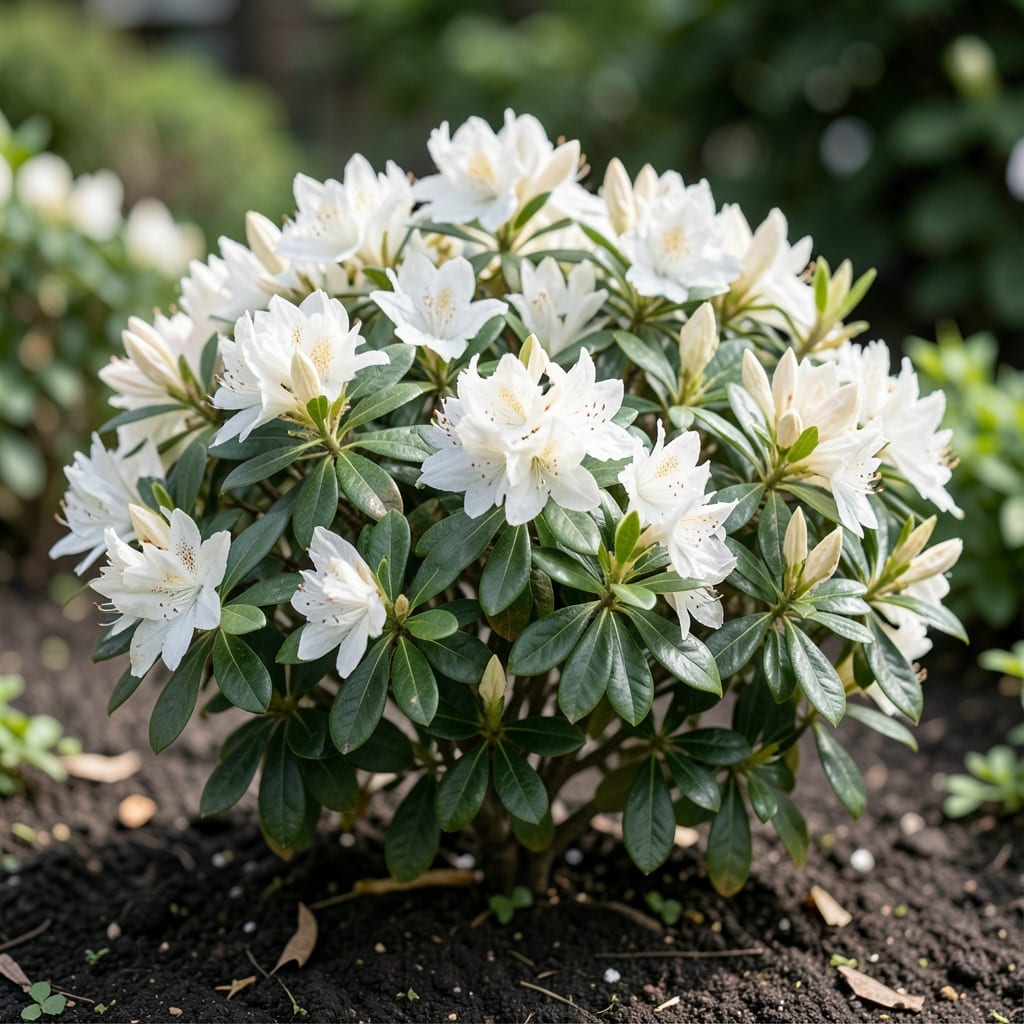
White azaleas turn any yard into a springtime masterpiece. I’ve watched mine go from scraggly sticks to clouds of blooms with just the right soil and light balance.
They thrive in partial shade with acidic, well-draining soil. Give them consistent moisture and a little pruning after flowering, and they’ll reward you with radiant white blossoms year after year.
📚 In This Guide
This method ensures your shrubs thrive with minimal effort and maximum visual impact.
Choose a site with partial shade—morning sun with afternoon protection works best. Pleasant White Azalea prefers well-draining, acidic soil with a pH between 4.5 and 6.0. Avoid low-lying areas where water pools, as soggy roots lead to root rot and stunted growth.
Test your soil by digging a 1-foot hole and filling it with water. If it drains within 1 hour, the location is suitable. I always add a handful of pine bark fines to the planting hole to improve drainage and acidity naturally.
Amend the planting area with organic matter like composted pine bark or leaf mold. Work it into the top 12-18 inches of soil to create a loose, nutrient-rich environment. This mimics the azalea’s native forest floor conditions.
If your soil is heavy clay, consider planting in a raised bed. Azaleas have shallow root systems, so a 6-inch raised bed filled with a 50/50 mix of native soil and organic matter provides the perfect growing medium.
Dig a hole twice as wide as the root ball but no deeper. Place the azalea so the top of the root ball sits 1-2 inches above the surrounding soil level—this prevents water from pooling around the trunk. Backfill with the amended soil, pressing lightly to eliminate air pockets.
Water thoroughly after planting, using 1-2 gallons per shrub to settle the soil. I always create a 3-inch-high water ring around the base to help direct moisture to the roots during the first growing season.
Keep the soil consistently moist but not waterlogged during the first year. Check the soil by inserting your finger 2-3 inches deep—if it feels dry, it’s time to water. Early morning is ideal, as it allows foliage to dry before evening and reduces disease risk.
Apply a 2-3 inch layer of organic mulch like pine straw or wood chips around the base, keeping it 3 inches away from the trunk. This conserves moisture, suppresses weeds, and maintains cooler root temperatures.
Feed your azalea with a slow-release, acid-forming fertilizer formulated for azaleas and rhododendrons. Apply in early spring after the last frost and again in early summer. Follow package instructions carefully—over-fertilizing leads to leaf burn and reduced flowering.
Watch for signs of nutrient deficiency: yellowing leaves often indicate iron deficiency, which is common in alkaline soils. If this occurs, apply a chelated iron supplement according to label directions to restore vibrant green foliage.
Small adjustments in planting and care make a surprising difference in bloom quality and plant health.
Soil Testing Tip: When performing the drainage test in Step 1, use the exact 1-foot hole depth and 1-hour timeframe as your benchmark. If water remains after an hour, improve drainage with additional pine bark fines or consider a raised bed as suggested in Step 2.
Planting Precision: In Step 3, that 1-2 inch elevation of the root ball above soil level is critical. I learned this the hard way after losing a plant to root rot—even a half-inch too low can create a water trap around the trunk.
Watering Strategy: For the initial watering after planting, the 1-2 gallons per shrub specified in Step 3 should be applied slowly. Create that 3-inch-high water ring first—it prevents runoff and ensures the water soaks deep into the root zone where it’s needed most.
Mulching Method: When applying the 2-3 inch mulch layer in Step 4, remember that 3-inch gap from the trunk is non-negotiable. Mulch piled against the base can cause bark rot and invite pests. I use a ruler to measure this distance precisely—it’s that important.
Pleasant white azaleas thrive in partial shade, ideally 4-6 hours of morning sunlight. Avoid harsh afternoon sun, which can scorch their leaves. Dappled shade under trees works perfectly for vibrant blooms.
Use well-draining, acidic soil (pH 4.5–6.0) rich in organic matter. A mix of peat moss, pine bark, and perlite creates ideal conditions. Test soil pH and amend if needed for healthy growth.
Plant in early spring or fall to avoid extreme temperatures. This gives roots time to establish before summer heat or winter frost. Water deeply after planting to reduce transplant shock.
Yellow leaves often signal overwatering, poor drainage, or iron deficiency (common in alkaline soil). Check soil moisture, improve drainage, and apply a chelated iron supplement if needed.
Yes! Use a large pot with drainage holes and acidic potting mix. Containers dry out faster, so water regularly and fertilize lightly in spring. Repot every 2–3 years for best results.