
Beautiful Plants For Your Interior
Beautiful Plants For Your Interior
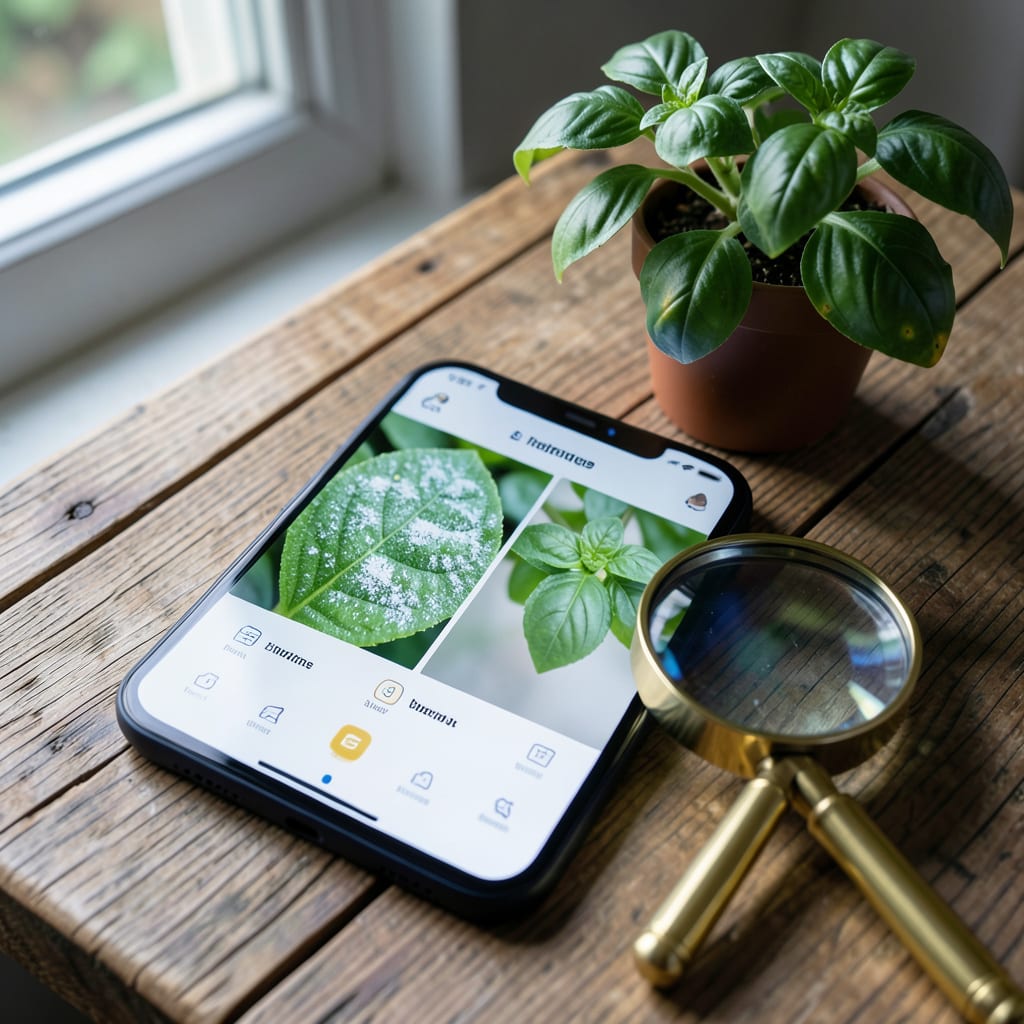
Spotting sick plants early saves seasons. I used to lose entire crops to blight before realizing what was happening. Now, with a quick photo, I get instant diagnosis and treatment options.
These apps use AI to analyze leaf discoloration, spots, or wilting—comparing against thousands of disease profiles. No more guessing if it’s fungus, bacteria, or just thirst. The accuracy improves with each image you submit.
You’ll catch problems before they spread, often when they’re still treatable. The recommendations include organic solutions, chemical options, and prevention tips tailored to your specific plants and climate.
Works for vegetables, fruits, ornamentals—anything growing in your garden. Here’s how to put this technology to work for you.
Plant diseases don’t just appear out of thin air—they’re often the result of specific environmental, biological, or cultural factors. Understanding these triggers is the first step toward prevention and early intervention. Below are the primary causes behind plant diseases that a plant disease detection app can help identify.
Extreme weather conditions, such as prolonged drought, excessive rainfall, or temperature fluctuations, weaken plants and make them more susceptible to infections. For example, high humidity creates the perfect breeding ground for fungal spores, while waterlogged soil can lead to root rot. Monitoring these conditions can help gardeners take preemptive action.
Fungi, bacteria, viruses, and nematodes are the most common pathogens responsible for plant diseases. Fungal infections like powdery mildew thrive in damp environments, while bacterial blight spreads through contaminated tools or water. Viruses, often transmitted by insects, can cause stunted growth and discoloration. A detection app can quickly identify these invaders based on visible symptoms.
Insects and mites don’t just damage plants directly—they also act as vectors for diseases. Aphids, for instance, can spread plant viruses as they feed, while beetles may carry fungal spores. Early pest detection through regular inspections or app-based diagnostics can prevent secondary infections.
Overcrowding plants, improper pruning, or using unclean gardening tools can all contribute to disease spread. Poor soil health, lack of crop rotation, and excessive use of fertilizers can also stress plants, reducing their natural defenses. Adopting best practices, like sterilizing tools and rotating crops, minimizes these risks.
Early intervention is key to saving your plants. Below are practical fixes for common issues, paired with prevention tips to keep your garden thriving.
Yellow leaves often signal a nitrogen or iron deficiency. Fix it: Apply a balanced fertilizer or an iron supplement for chlorosis. Test your soil first to confirm the deficiency.
Prevention tip: 💡 Rotate crops annually and enrich soil with compost to maintain nutrient levels.
Spotted aphids, mites, or whiteflies? Fix it: Spray a mix of water and neem oil (1 tbsp oil per gallon) or introduce beneficial insects like ladybugs.
Prevention tip: 🎯 Inspect plants weekly and remove debris where pests breed.
Powdery mildew or rust spots? Fix it: Remove infected leaves and apply a copper-based fungicide. Improve airflow by pruning dense foliage.
Prevention tip: ✨ Water at the base of plants (not overhead) and space them properly to reduce humidity.
Wilting despite wet soil? Fix it: Stop watering immediately and repot in fresh, well-draining soil. Trim any black, mushy roots.
Prevention tip: 🌡️ Use pots with drainage holes and check soil moisture with your finger before watering.
Brown, crispy patches? Fix it: Move sensitive plants to partial shade or use shade cloth during peak sun hours.
Prevention tip: 🔥 Acclimate seedlings gradually to sunlight to avoid shock.
Most advanced apps achieve 85-95% accuracy with clear photos. They compare symptoms against vast databases of disease profiles. For best results, take multiple images in good lighting.
Some apps work offline with limited features, but most require internet to access their full disease database. Offline modes typically only identify basic issues.
Most cover common vegetables, fruits, and ornamentals. Rare or exotic plants may not be in their database. Always check the app’s supported plant list first.
