
Beautiful Plants For Your Interior
Beautiful Plants For Your Interior
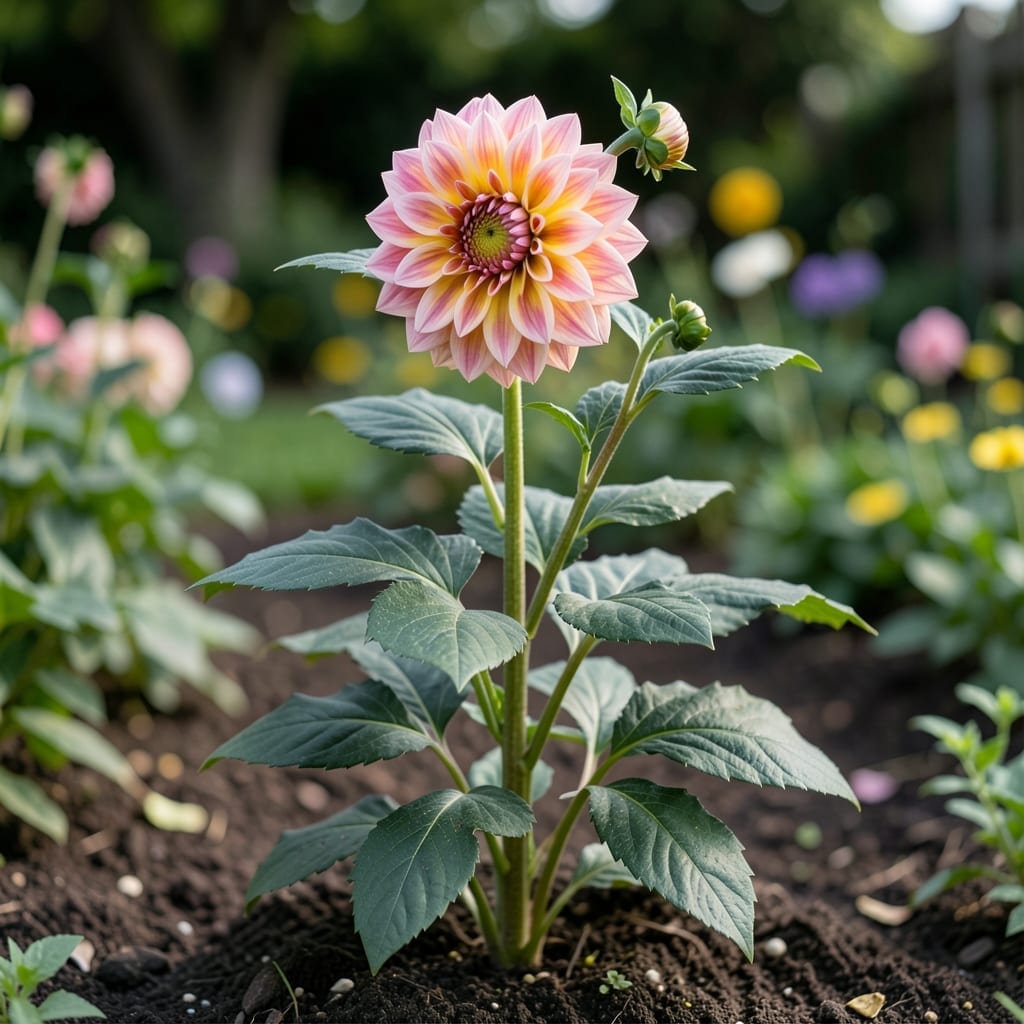
Nothing beats the cheerful pop of pink-yellow dahlias in a summer garden. I discovered these showstoppers after years of growing boring, single-color blooms and now they’re my go-to for cutting gardens and pollinator patches alike.
They thrive in full sun with well-draining soil, and the color combo attracts bees and butterflies like nothing else. With the right care, you’ll get months of vibrant flowers from midsummer until the first frost.
📚 In This Guide
Here’s the method I trust to produce stunning, colorful blooms every season without fail.
Choose a location with full sun—dahlias need at least 6-8 hours of direct sunlight daily to thrive and produce vibrant blooms. The soil should be well-draining and rich in organic matter. I always amend the bed with compost or well-rotted manure to improve fertility and structure.
Test the drainage by digging a 12-inch hole and filling it with water. If it drains within 1-2 hours, you’re good to go. Poor drainage leads to tuber rot, which will wipe out your plants before they even get started.
Plant tubers in spring after the last frost, when the soil has warmed to 60°F. Dig holes 4-6 inches deep and space them 18-24 inches apart—dahlias need room to grow. Place each tuber horizontally with the eye (where the stem will sprout) facing upward.
Cover the tubers with soil and water thoroughly to settle everything in place. Avoid watering again until you see sprouts emerge, usually within 2-3 weeks. Overwatering at this stage can cause tubers to rot before they even begin growing.
Pink and yellow dahlias often grow tall, so install stakes or a support system at planting time. I use 5-6 foot bamboo stakes for each tuber, positioned 4-6 inches away from the planting hole to avoid damaging the tubers. Tie the stems loosely to the stakes as they grow using soft garden twine.
Without support, heavy blooms can cause stems to snap, especially during wind or rain. You’ll know it’s time to tie when the stems reach 12-18 inches tall and start to lean or wobble in the breeze.
Once sprouts appear, water deeply 2-3 times per week, ensuring the soil stays consistently moist but not soggy. Dahlias are heavy feeders, so I apply a balanced, water-soluble fertilizer every 3-4 weeks to encourage strong stems and abundant blooms.
Watch for yellowing leaves or stunted growth—these are signs your plants need more nutrients. Reduce watering once blooms appear to prevent flopping, but don’t let the soil dry out completely.
To keep the flowers coming, deadhead spent blooms regularly by cutting the stem just above a set of leaves or side bud. This encourages the plant to produce more blooms instead of setting seed. I do this every 3-4 days during peak flowering season.
Remove any weak or diseased stems immediately to direct energy toward healthy growth. By late summer, you’ll notice the plants putting out fewer blooms—this is your signal to cut back on watering slightly and stop fertilizing to prepare for dormancy.
Small adjustments make the difference between struggling plants and a garden bursting with color.
Sunlight Strategy: The 6-8 hours of direct sunlight isn’t just a suggestion—it’s non-negotiable for vibrant blooms. I learned this the hard way when my first attempt produced weak, pale flowers. Position your planting site where it gets unobstructed morning and afternoon sun, avoiding spots shaded by buildings or trees.
Drainage Test: That 12-inch hole test in Step 1 is your insurance policy against root rot. If water lingers beyond 2 hours, amend the soil with coarse sand or create raised beds. I once skipped this check and lost an entire row to soggy soil conditions.
Planting Precision: The 4-6 inches deep and 18-24 inches apart spacing in Step 2 might seem arbitrary, but it’s scientifically calculated. Planting too shallow exposes tubers to temperature swings, while crowding them leads to competition for nutrients. Use a ruler for accuracy—your future blooms will thank you.
Support Timing: Don’t wait until stems are toppling over to install those 5-6 foot stakes. In Step 3, I position mine at planting time to avoid disturbing the tubers later. When stems hit 12 inches tall, it’s already time for the first gentle tie with twine—preventing damage before it happens.
Keep soil moist but well-drained, and provide full sun (6+ hours daily). Deadhead spent blooms to encourage more flowers. Fertilize monthly with a low-nitrogen option. Stake tall varieties for support.
Plant tubers in spring after the last frost, when soil temps reach 60°F. In warmer zones, you can start earlier. Avoid planting in cold, soggy soil to prevent rot.
Yes! Choose a large pot (12″+ deep) with drainage holes. Use a well-draining potting mix and water regularly. Dwarf varieties like ‘Gallery Pablo’ are ideal for containers.
Yellow leaves may signal overwatering, poor drainage, or nutrient deficiency. Check soil moisture and ensure good airflow. A balanced fertilizer can help restore vibrancy.
Try zinnias, marigolds, or cosmos for similar bright colors and easy care. For a dahlia-like look, consider chrysanthemums or asters with comparable bloom shapes.