
Beautiful Plants For Your Interior
Beautiful Plants For Your Interior
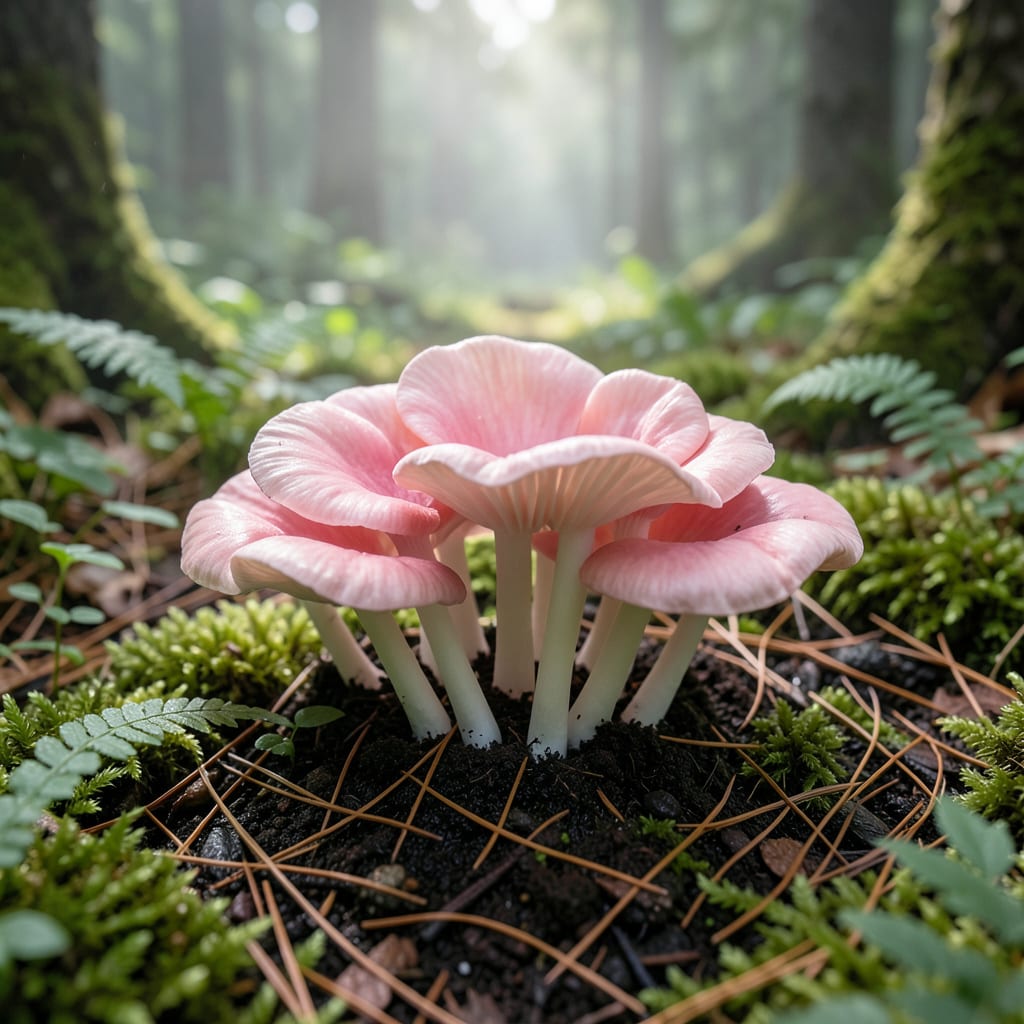
That pink slime in your garden isn’t pretty—it’s a problem. I first spotted it last summer after a week of heavy rain, and it spread faster than I expected.
This fungus thrives in warm, wet conditions, often appearing on mulch, soil, or even plant bases. It looks harmless at first but can compete with plants for nutrients if left unchecked.
Catching it early makes removal easier. A simple rake and sunlight exposure can stop small patches, while larger outbreaks need a more strategic approach.
Prevention is straightforward: improve drainage, avoid overwatering, and keep your garden tidy. Here’s how to handle it before it takes over.
Pink fungus in your garden often appears due to a combination of environmental and biological factors. Understanding these causes helps you address the issue effectively. Below are the most common reasons this fungal growth emerges:
Fungi thrive in damp conditions. Overwatering, poor drainage, or prolonged rain can create the perfect breeding ground for pink fungus. Waterlogged soil reduces oxygen availability, allowing fungal spores to germinate and spread rapidly. To prevent this, ensure your garden has proper drainage and avoid overwatering plants.
Decaying leaves, wood chips, or unremoved plant debris provide nutrients for fungi. Pink fungus often feeds on decomposing organic matter, especially in shaded, moist areas. Regularly clear fallen leaves and plant residue to minimize fungal food sources. Compost piles should also be managed carefully to avoid contamination.
Pink fungus flourishes in temperatures between 70–85°F (21–29°C) with high humidity. These conditions accelerate spore growth, especially in dense plantings where air circulation is limited. Space out plants to improve airflow and reduce humidity around foliage.
Soil lacking beneficial microbes or with imbalanced pH levels can encourage fungal growth. Overuse of chemical fertilizers may disrupt natural soil ecosystems, making it easier for harmful fungi to take hold. Test your soil and amend it with organic matter, like compost, to boost microbial diversity.
Injured plants are more susceptible to fungal infections. Pests like aphids or beetles create entry points for spores. Monitor for pest activity and treat infestations promptly to prevent secondary fungal issues.
Dealing with pink fungus in your garden requires quick action and consistent care. Below are targeted solutions based on the most common causes, along with prevention tips to keep your garden healthy.
If excessive moisture is the culprit, start by reducing watering and ensuring your soil has proper drainage. Use a well-draining potting mix or amend garden beds with compost or sand. Raise plant beds if water pools frequently. Water early in the day so foliage dries quickly, discouraging fungal growth.
Prevention tip: 💡 Install drip irrigation to deliver water directly to roots, keeping leaves dry.
Crowded plants trap humidity, creating a perfect environment for pink fungus. Thin out dense foliage and space plants according to their mature size. Trim lower leaves to improve airflow, especially in humid climates. For potted plants, move them to breezier spots or use a small fan to promote circulation.
Prevention tip: ✨ Regularly prune plants to maintain good airflow and reduce hiding spots for fungus.
Fungus can linger in soil or on gardening tools. Remove and replace the top layer of infected soil, and sterilize tools with a mix of 1 part bleach to 9 parts water. For potted plants, consider repotting with fresh, sterile soil. Avoid reusing infected compost or mulch.
Prevention tip: 🎯 Clean tools after each use and rotate crops to prevent soil-borne diseases.
For active infections, apply natural fungicides like neem oil, copper soap, or a baking soda solution (1 tsp baking soda + 1 quart water + a few drops of dish soap). Spray evenly on affected areas every 5–7 days until the fungus clears. Remove heavily infected leaves or plants to prevent spreading.
Prevention tip: 🌡️ Apply preventive sprays during humid seasons or before expected rains.
Yes, it can compete with plants for nutrients and may indicate underlying issues like poor drainage. While not always deadly, it often signals conditions that could lead to more serious problems.
In warm, humid conditions, it can spread within 24-48 hours. The spores travel easily through water splashes or garden tools. Early action is key to preventing a full outbreak.
A baking soda spray (1 tsp baking soda + 1 quart water + dish soap) works well for mild cases. Neem oil or vinegar solutions are also effective natural options.
