
Beautiful Plants For Your Interior
Beautiful Plants For Your Interior
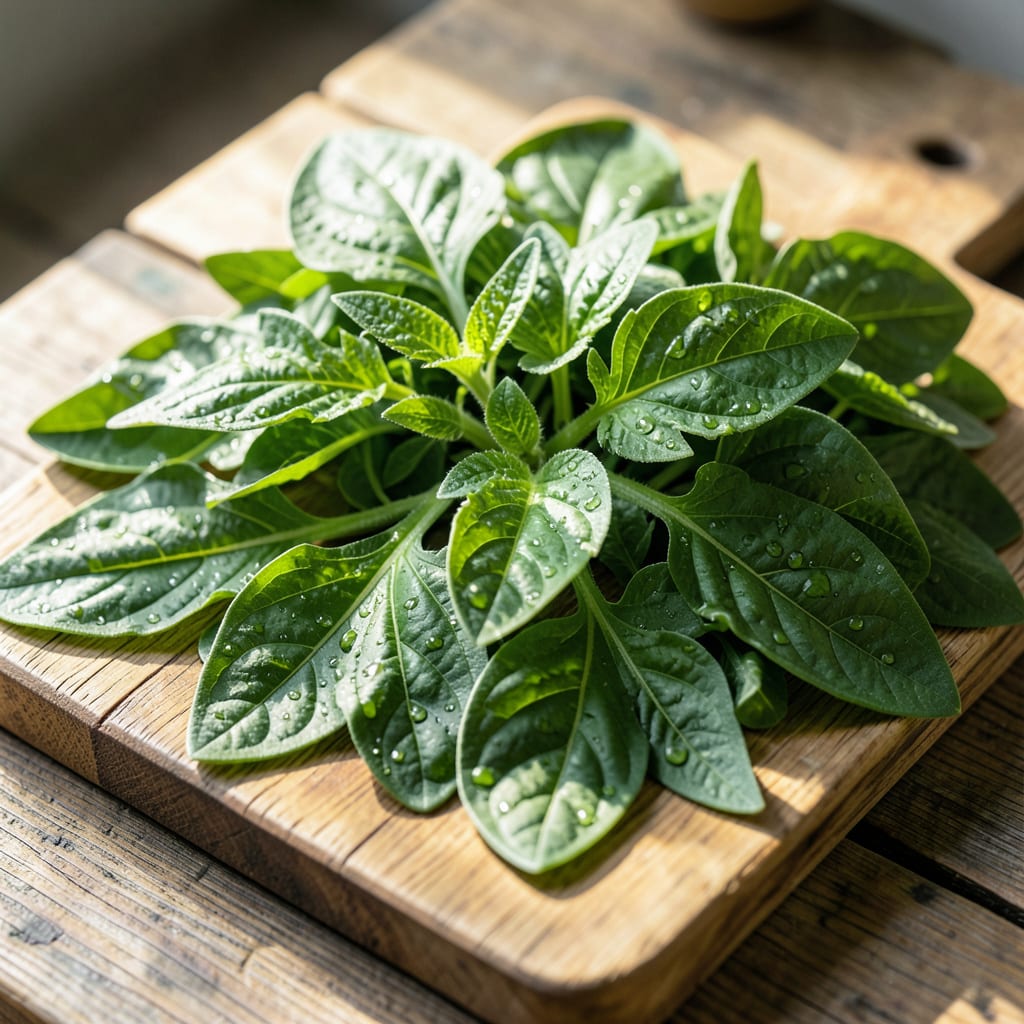
Yellow spots, brown edges, or tiny holes—your tomato leaves are trying to tell you something. I’ve learned the hard way that catching these early means the difference between a full harvest and a lost season.
Most leaf problems start small: a few discolored patches, subtle curling, or fine webbing. By the time you notice wilting or blackened stems, it’s often too late. Early diagnosis is your best defense.
With a quick visual check each morning, you’ll spot trouble before it spreads. Compare what you see to these common patterns—then take action with simple, targeted fixes.
Works for container plants, garden beds, or greenhouse setups. Here’s how to read the signs.
Understanding why tomato leaves develop spots, discoloration, or unusual patterns is the first step to preventing crop loss. These symptoms often signal underlying problems rooted in biology, environment, or care practices. Below are the most common causes, explained with actionable insights.
Fungi like Alternaria solani (early blight) and Phytophthora infestans (late blight) thrive in humid, warm conditions. Spores land on leaves, germinate, and penetrate tissues, causing brown or black spots with concentric rings. Poor air circulation and overhead watering accelerate spread.
Bacteria such as Pseudomonas syringae (bacterial spot) enter through wounds or stomata, multiplying rapidly in wet foliage. Look for water-soaked spots that turn yellow or necrotic. Contaminated tools, rain, or insects often introduce these pathogens.
Insects like aphids, whiteflies, or spider mites pierce leaf cells to feed, creating stippling, yellowing, or curled edges. Their honeydew also promotes sooty mold growth. Regularly inspect leaf undersides for early infestation signs.
Extreme heat, cold, or nutrient imbalances (e.g., calcium or magnesium deficiency) can manifest as leaf curl, purple veins, or interveinal chlorosis. Overwatering or drought stress weakens plants, making them more susceptible to disease.
Pro tip: Test soil pH (ideal: 6.0–6.8) and adjust fertilization to match tomato needs.
If your tomato leaves show signs of trouble, quick action can save your plants. Below are targeted fixes for common problems, paired with prevention tips to keep your crop thriving.
Fix: Test your soil to identify missing nutrients. For nitrogen deficiency, apply a balanced fertilizer (10-10-10) or compost. For magnesium, use Epsom salt (1 tablespoon per gallon of water) as a foliar spray.
Prevention: 💡 Amend soil with organic matter before planting. Rotate crops yearly to avoid depletion.
Fix: Remove infected leaves immediately and dispose of them in the trash (not compost). Apply a copper-based fungicide or neem oil spray every 7–10 days until symptoms subside.
Prevention: ✨ Space plants for airflow, water at the base (avoid wetting leaves), and mulch to reduce soil splatter.
Fix: Blast pests off with a strong stream of water. For severe infestations, spray with insecticidal soap or introduce beneficial insects like ladybugs.
Prevention: 🎯 Inspect leaves weekly. Plant companion herbs (basil, marigolds) to repel pests naturally.
Fix: For heat stress, provide shade cloth during peak sun. For overwatering, let soil dry slightly between waterings and ensure pots have drainage holes.
Prevention: 🌞 Water deeply but less frequently (1–2 inches per week). Use drip irrigation to maintain consistent moisture.
Act fast, stay consistent, and your tomato plants will bounce back stronger! 🍅
Brown spots with concentric rings often indicate early blight, a common fungal disease. Remove affected leaves immediately and improve air circulation around plants.
Yellowing between veins suggests magnesium deficiency, while uniform yellowing often points to nitrogen. Test soil and adjust with Epsom salt or a balanced fertilizer.
White dots or webbing usually indicate spider mites or whiteflies. Spray with water to dislodge pests, then use insecticidal soap if needed.
Curling often signals heat stress or overwatering. Provide shade during peak sun and let soil dry slightly between waterings.
