
Beautiful Plants For Your Interior
Beautiful Plants For Your Interior
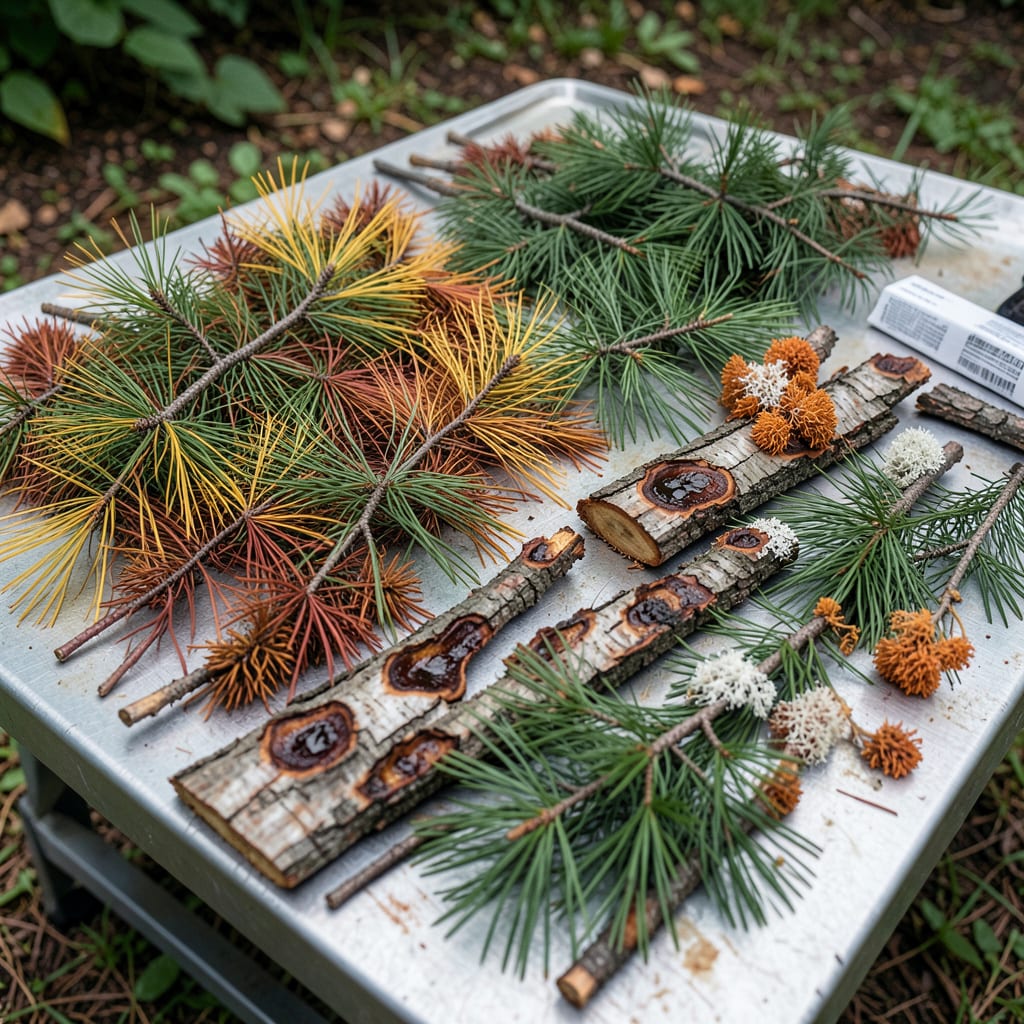
Spotted yellowing needles or dark patches on your pine’s bark? I’ve been there—watching a healthy tree decline is heartbreaking, but most issues are treatable if caught early.
The first step is identifying what you’re dealing with. Needle discoloration often signals fungal infections, while bark lesions might mean bacterial canker or environmental stress. Each has distinct patterns that help pinpoint the problem.
Once you know the culprit, solutions range from simple pruning to targeted fungicides. Early action saves trees and prevents spread to others in your landscape.
This guide will help you match symptoms to solutions with clear photos and step-by-step advice.
Pine tree diseases often stem from a mix of environmental stressors, pathogens, and poor cultural practices. Understanding the root causes helps in prevention and treatment. Below are the primary factors behind common pine tree ailments.
Fungi like Dothistroma, Cronartium, and Armillaria are major culprits. These pathogens thrive in wet, humid conditions, infecting needles and bark. Dothistroma needle blight, for example, causes red-brown bands on needles, while root rot from Armillaria attacks the tree’s base, leading to decline. Fungi spread via spores, often carried by wind or water.
Insects such as pine bark beetles, sawyer beetles, and pine weevils weaken trees by boring into bark or feeding on needles. Bark beetles introduce blue-stain fungi during feeding, which clogs the tree’s water-conducting tissues. Stressed or drought-weakened pines are especially vulnerable to these pests.
Extreme weather—drought, excessive heat, or freezing temperatures—stresses pine trees, reducing their resistance to diseases. Poor soil drainage can also lead to root rot, while nutrient deficiencies (e.g., lack of magnesium or iron) may cause needle yellowing or stunted growth.
Improper planting, overcrowding, or mechanical damage (e.g., from lawnmowers) can invite disease. Overhead watering promotes fungal growth, while poor pruning leaves trees susceptible to infections. Planting pines in unsuitable soil or too close together limits airflow, creating ideal conditions for pathogens.
Addressing pine tree diseases early can save your tree and prevent further spread. Below are practical solutions for common issues, paired with prevention tips to keep your pines healthy.
Fix: Remove and destroy infected needles or branches immediately to stop the spread. For fungal needle cast, apply a copper-based fungicide in early spring before needles emerge. For pine wilt (caused by nematodes), infected trees often cannot be saved—remove them promptly to protect nearby pines.
Prevent: Improve air circulation by spacing trees properly. Water at the base (not overhead) to reduce fungal spores. Keep trees well-hydrated, as stress makes them more vulnerable.
Fix: Prune out cankered branches at least 4 inches below the lesion using sterilized tools (dip in rubbing alcohol between cuts). Dispose of infected material in sealed bags. For severe cases, consult an arborist for fungicidal treatments.
Prevent: Avoid wounding trees with lawn equipment. Disinfect pruning tools regularly, and apply a protective bark spray after storms or pruning.
Fix: Introduce beneficial nematodes or insecticidal soaps for larvae. For bark beetles, use pesticides labeled for pine beetles and apply in early spring. Remove heavily infested trees to prevent beetles from spreading.
Prevent: Maintain tree vigor with proper watering and mulching. Monitor for early signs (sawdust-like frass or tiny holes) and act quickly. 💡 Pro Tip: Healthy trees resist pests better—prioritize overall tree care!
Look for yellowing or browning needles, dark spots, or unusual needle drop. Bark lesions, oozing sap, or sawdust-like frass near the base also signal trouble. Compare symptoms to trusted reference images for accuracy.
Dothistroma needle blight is widespread, causing red-brown bands on needles. It thrives in wet conditions and can defoliate trees if untreated. Early removal of infected needles helps control its spread.
Minor issues may resolve with improved care, but severe infections like pine wilt or advanced canker often require intervention. Prompt treatment and removing infected parts boost recovery chances.
Prune in dry weather, cutting 4 inches below lesions with sterilized tools. Avoid pruning during wet seasons to prevent spreading fungal spores. Always dispose of infected material immediately.
