
Beautiful Plants For Your Interior
Beautiful Plants For Your Interior
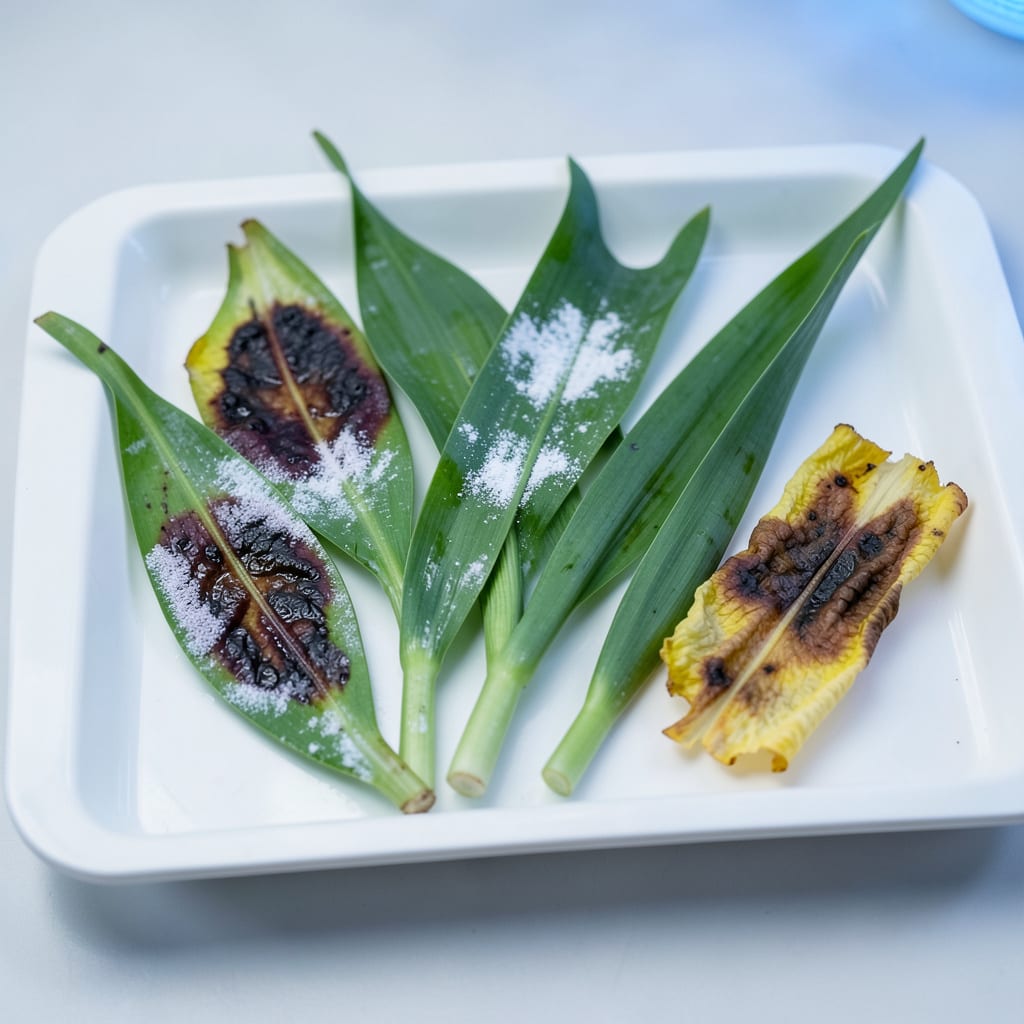
I lost half my lily bed to disease last summer before I learned to spot the warning signs early.
Brown spots, yellowing leaves, or stunted growth aren’t just cosmetic—they’re your plants crying for help. The key is catching these symptoms before they spread, and I’ve compiled the clearest images to help you do exactly that.
You’ll find close-ups of the most common lily diseases, with simple explanations of what causes them and how to stop them in their tracks. No guesswork, just actionable solutions.
This guide works for gardeners at any level, whether you’re growing Asian lilies, martagons, or trumpet varieties. Early detection saves plants—and your sanity.
Lily diseases often stem from environmental stressors, pathogens, or poor cultural practices. Understanding the root causes helps gardeners prevent and manage issues effectively. Below are the primary culprits behind common lily ailments.
Fungi like Botrytis elliptica (lily blight) and Fusarium thrive in damp, poorly ventilated conditions. These pathogens spread through spores in water or soil, attacking leaves, stems, and bulbs. Overhead watering and crowded plantings exacerbate fungal growth. Action: Improve airflow, avoid wetting foliage, and remove infected debris promptly.
Bacteria such as Pseudomonas marginalis cause soft rot and leaf spots, often entering through wounds or contaminated tools. Warm, wet weather accelerates bacterial spread. Action: Sterilize pruning tools, space plants for airflow, and remove affected parts immediately to curb infection.
Pests like aphids, lily leaf beetles, and bulb mites weaken lilies, creating entry points for diseases. Their feeding stress also reduces plant vigor. Action: Monitor for pests regularly and use targeted treatments (e.g., neem oil or insecticidal soap) to minimize damage.
Extreme heat, drought, or waterlogged soil stress lilies, making them susceptible to diseases. Poor drainage, for example, leads to root rot, while drought weakens defenses. Action: Plant in well-draining soil, mulch to retain moisture, and provide consistent watering without over-saturating.
Lack of essential nutrients (e.g., potassium or nitrogen) can compromise a lily’s immune system. Over-fertilization, especially with high-nitrogen formulas, may also promote lush but weak growth. Action: Test soil and amend with balanced fertilizers to meet the plant’s needs.
Spotting disease early is only half the battle—here’s how to turn things around for your lilies. Act fast with these targeted fixes to restore health and prevent future outbreaks.
Remove infected leaves or stems immediately to stop the spread. Treat remaining plants with a copper-based fungicide or neem oil spray, applying every 7–10 days until symptoms fade. Prevention tip: 💡 Space plants 12–18 inches apart to improve airflow and water at the base to keep foliage dry.
For aphids or beetles, blast them off with a strong stream of water or apply insecticidal soap. For severe cases, use a pyrethrin-based spray. Prevention tip: 🌱 Encourage beneficial insects like ladybugs by planting companion flowers (e.g., marigolds) nearby.
If roots are mushy and black, trim affected areas and repot the lily in fresh, well-draining soil. Ensure pots have drainage holes. Prevention tip: 🌧️ Avoid overwatering—let the top 1–2 inches of soil dry out between waterings.
Viral infections (e.g., mosaic virus) have no cure. Dig up and destroy infected plants (do not compost). Disinfect tools with rubbing alcohol to prevent transmission. Prevention tip: ✨ Purchase certified disease-free bulbs and control aphids, which spread viruses.
Move lilies to a shadier spot during peak afternoon heat. Mulch around the base to retain moisture. Prevention tip: 🎯 Plant heat-tolerant varieties like Lilium candidum in warmer climates.
Look for brown or black spots with yellow halos on leaves, or grayish mold on stems. Fungal issues often appear after wet weather.
Inspect plants weekly for aphids or beetles. Use neem oil as a preventive spray and remove pests by hand when spotted.
Yes, soggy soil leads to root rot and fungal growth. Always let the top 1-2 inches of soil dry between waterings.
Yes, Asiatic and Turk’s cap lilies tend to resist diseases better than others. Choose these if your garden has recurring issues.
