
Beautiful Plants For Your Interior
Beautiful Plants For Your Interior
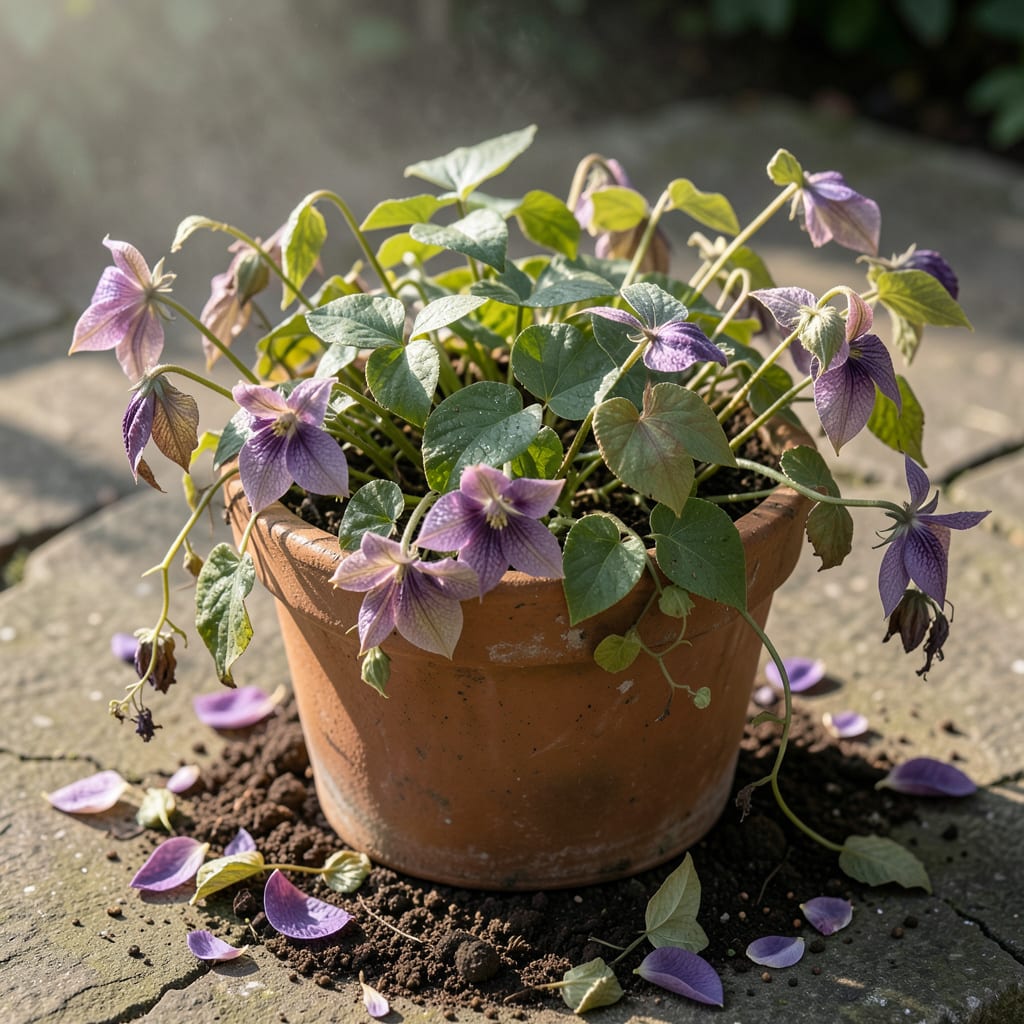
That sickening moment when your clematis collapses overnight. I’ve been there—healthy vines one day, blackened stems and wilted leaves the next. Clematis wilt hits fast and hard, but catching it early makes all the difference.
The signs are unmistakable: sudden wilting, blackened bases, leaves turning brown but staying attached. Don’t panic—this isn’t a death sentence. I’ve saved dozens of plants with the right approach, and you can too.
Organic revival starts with quick action: remove affected growth, disinfect tools, and boost plant health. The key is understanding what you’re seeing in those pictures—it’s not always wilt, and misdiagnosis wastes precious time.
Works for all clematis varieties, from early bloomers to late-season climbers. Here’s how to spot it and stop it.
Clematis wilt is a frustrating and often devastating disease that strikes these beautiful vines. Understanding its causes can help you prevent and manage it effectively. Here are the primary reasons why clematis wilt happens:
The most common cause of clematis wilt is the fungal pathogen Phoma clematidina (formerly known as Ascochyta clematidina). This fungus thrives in moist, humid conditions and enters the plant through wounds or natural openings. Once inside, it blocks the vascular system, cutting off water and nutrient flow, which leads to sudden wilting and dieback.
Excess moisture around the roots or stem base creates the perfect environment for fungal growth. Clematis wilt often develops in plants growing in waterlogged soil or when the base of the vine is consistently wet. Ensuring proper drainage and avoiding overhead watering can significantly reduce the risk.
Stressed clematis plants are more susceptible to wilt. Factors like poor soil quality, inadequate sunlight, or physical damage (e.g., from pruning or harsh weather) weaken the plant, making it easier for the fungus to invade. Keeping your clematis healthy and well-maintained strengthens its natural defenses.
The fungus can spread through contaminated pruning tools, infected plant debris, or even soil. If you’ve had clematis wilt in your garden before, the pathogen may linger, ready to infect new plants. Always sterilize tools between uses and remove any infected plant material promptly.
Clematis wilt can be frustrating, but with the right approach, your plants can bounce back. Here’s how to tackle the most common causes and prevent future outbreaks.
If your clematis shows wilting leaves or blackened stems, prune affected areas immediately. Cut back to healthy growth, at least 6 inches below the damage, and sterilize your pruners with rubbing alcohol between cuts. Dispose of infected material in the trash—not the compost. Apply a copper-based fungicide to the remaining plant and surrounding soil to halt the spread.
Prevention tip: 💡 Improve airflow by spacing plants properly and watering at the base to keep foliage dry.
Clematis hates wet feet. If your plant sits in soggy soil, amend the area with compost or grit to improve drainage. For potted clematis, ensure containers have drainage holes and use a well-draining potting mix. Elevate pots on bricks to prevent waterlogging.
Prevention tip: 🎯 Plant clematis in a slight mound to encourage runoff away from the roots.
Wilting can also result from excessive heat or direct sunlight. Move potted clematis to a shadier spot or install a shade cloth during peak afternoon hours. For in-ground plants, mulch the base with organic material to retain moisture and cool the roots.
Prevention tip: ✨ Choose a planting site with morning sun and afternoon shade, especially in hot climates.
Pests like aphids or earwigs can weaken clematis, making it more susceptible to wilt. Inspect stems and leaves regularly and remove pests by hand or with a neem oil spray. Encourage beneficial insects like ladybugs to keep pest populations in check.
Prevention tip: 🌡️ Avoid over-fertilizing, which can attract pests and stress the plant.
Wilt causes sudden collapse with blackened stems, while thirsty plants droop but recover after watering. Check for dark, shriveled bases—this is a classic wilt sign.
Only if tools aren’t sterilized. Always clean pruners with rubbing alcohol between cuts. Remove infected material immediately to prevent further spread.
Yes! With prompt action, many plants regrow from healthy roots. Cut back to ground level if needed—new shoots often appear within 4-6 weeks.
Some types show better resistance, like Clematis montana or viticella hybrids. However, no variety is completely immune. Focus on good cultural practices for all types.
