
Beautiful Plants For Your Interior
Beautiful Plants For Your Interior
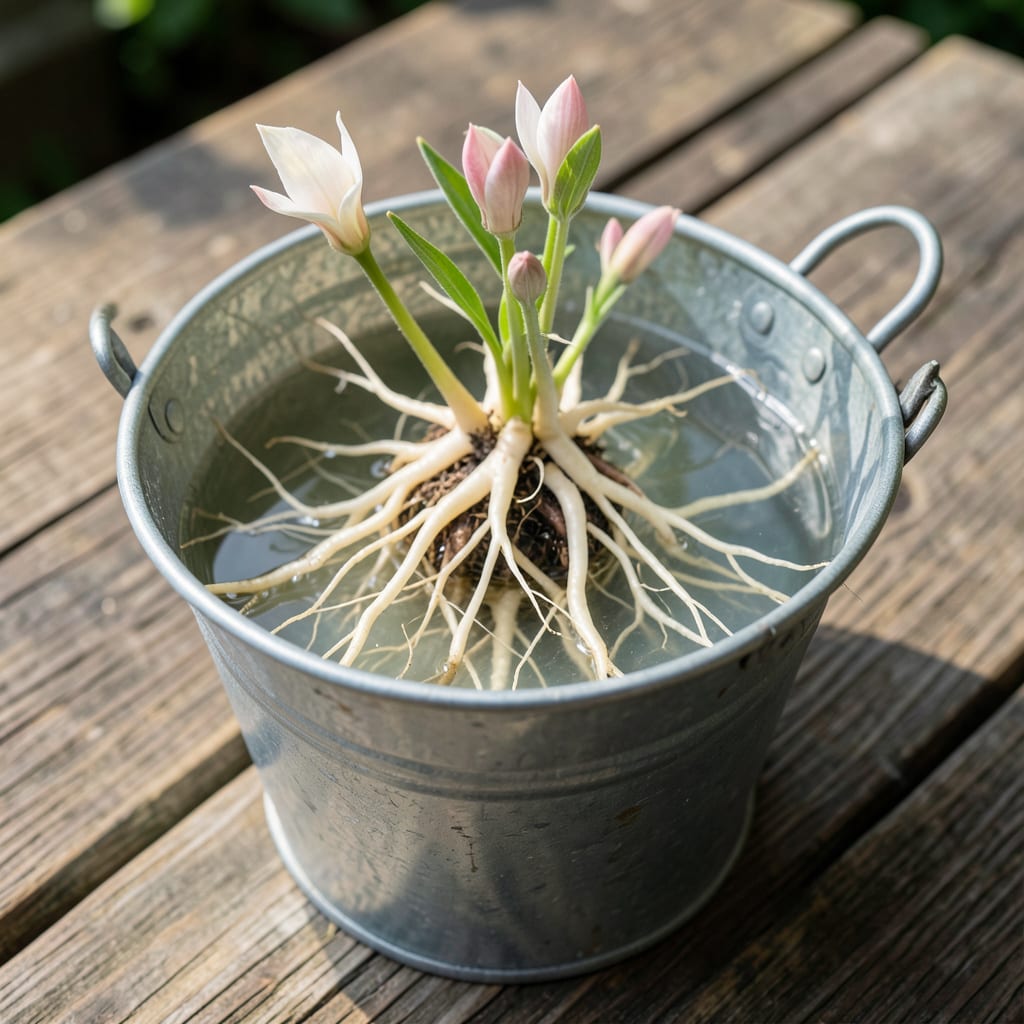
That first glimpse of a bare root bleeding heart always gets me. It looks like nothing much—just a tangle of roots and a few dormant buds—but plant it right and you’ll have lush pink blooms by spring.
I’ve learned the hard way that proper soaking before planting and the right depth make all the difference. Within weeks, those heart-shaped flowers will transform your garden into a vibrant display that stops neighbors in their tracks.
📚 In This Guide
Here is the method I trust for turning those dormant roots into vibrant spring blooms.
Fill a bucket with room-temperature water and submerge the bare roots for 1-2 hours. This rehydrates the plant and kickstarts growth after storage. I always check for any damaged or mushy roots and trim them back to healthy tissue with clean shears.
Don’t skip this step—dry roots struggle to establish and may delay blooming by weeks. You’ll notice the roots plump up visibly during soaking, which tells you they’re ready to absorb moisture from the soil.
Choose a location with partial shade, especially in hot climates, as bleeding hearts prefer cooler conditions. Dig a hole 12-18 inches wide and 6-8 inches deep—wide enough to spread the roots naturally without crowding.
Loosen the soil at the bottom and sides of the hole to help roots penetrate easily. Mix a handful of compost into the removed soil to give your plant a nutrient boost. The soil should be moist but not waterlogged when you begin.
Place the soaked roots in the hole, spreading them outward in a fan shape. The crown—the point where roots meet the stems—should sit just below the soil surface, no deeper than 1 inch. Planting too deep can smother the crown and rot the stems.
Backfill with the amended soil, gently pressing it down to eliminate air pockets. Water thoroughly with 1-2 gallons to settle the soil around the roots. You’ll see the soil level drop slightly, which means it’s time to add a bit more.
Spread a 2-3 inch layer of organic mulch around the plant to retain moisture and suppress weeds. Keep the mulch a few inches away from the crown to prevent rot. Bleeding hearts are thirsty in their first weeks, so check the soil daily.
Water when the top 1 inch of soil feels dry. You’ll see new growth emerging from the crown in 2-3 weeks, a sign the roots have taken hold. If no growth appears after 4 weeks, gently dig to check for rot or pest damage.
Once established, bleeding hearts thrive with consistent moisture, especially during dry spells. Fertilize lightly in early spring with a balanced product, but avoid overdoing it—too much nitrogen leads to leafy growth at the expense of flowers.
After blooming, the foliage may die back in summer heat, which is normal. Don’t cut it down until it yellows completely; the plant uses this time to store energy for next year’s display. This is the moment that matters: proper dormancy care ensures bigger, better blooms next spring.
Here’s how to avoid the most common pitfalls when planting your bleeding heart.
The Soaking Secret: Don’t rush the soaking step in Step 1—those 1-2 hours in room-temperature water are critical. Roots that haven’t fully plumped up won’t absorb moisture efficiently, which can set back growth by weeks. I once skipped this and watched my plant struggle to establish.
Depth Matters: In Step 3, planting the crown deeper than 1 inch below the soil surface can smother it and lead to rot. The crown should sit just below the surface, with roots fanned out naturally. Trust me, I learned this the hard way after losing a plant to over-enthusiastic digging.
Watering Wisdom: After planting, watering thoroughly with 1-2 gallons settles the soil and eliminates air pockets. If the soil level drops after watering, add more soil to keep the crown at the right depth. This step ensures the roots make good contact with the soil from day one.
Mulch Placement: In Step 4, spreading that 2-3 inch layer of mulch keeps moisture consistent, but keep it a few inches away from the crown. Mulch too close can trap moisture against the stems, leading to rot—another lesson I learned after a sad, soggy experience.
Soak the roots in water for 1-2 hours, then dig a hole twice as wide as the roots. Place the plant so the crown is 1-2 inches below soil level, backfill, and water thoroughly.
Early spring or fall is ideal, when the soil is workable and temperatures are cool. Avoid planting during extreme heat or frost.
Yes! Choose a large pot with drainage holes and well-draining soil. Keep the soil moist and provide partial shade for best results.
Lack of blooms can be due to insufficient light, over-fertilizing, or immature plants. Ensure partial shade, moderate water, and patience—some varieties take a year to establish.
Water regularly to keep soil moist but not soggy. Mulch to retain moisture and suppress weeds. Fertilize lightly in early spring for vibrant blooms.
