
Beautiful Plants For Your Interior
Beautiful Plants For Your Interior
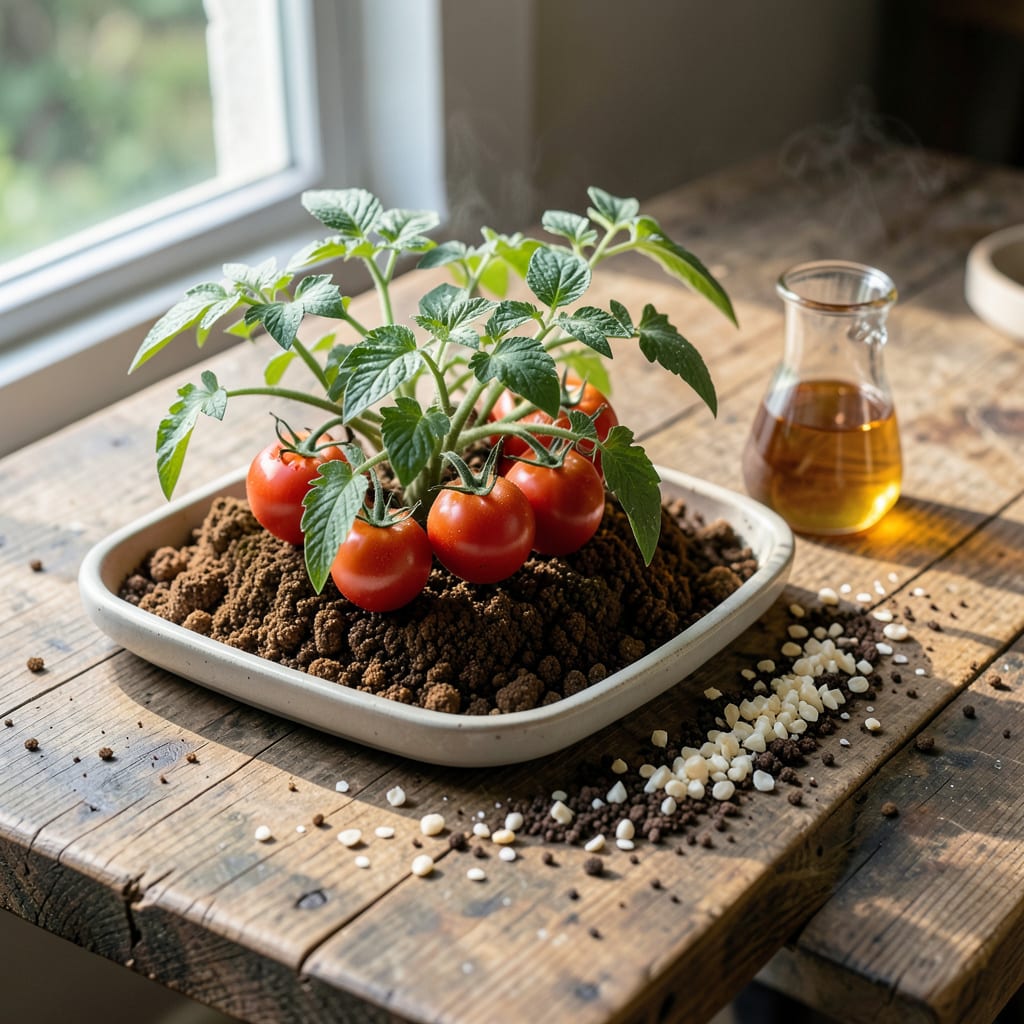
Your plants look fine today, wilted and yellow tomorrow. Phytophthora doesn’t announce itself—it strikes fast, turning healthy roots to mush while you’re not looking.
I’ve lost entire flats of seedlings overnight to this silent killer. The key is acting the moment you see stunted growth or blackened stems, before the rot spreads through the soil to your next favorite plant.
Treatment starts with removing infected plants immediately, then drying out the soil completely. The real work is preventing its return with better drainage and resistant varieties.
Works for ornamentals, vegetables, and fruit trees alike. Here’s how to stop the damage and keep it from coming back.
Phytophthora root rot is a devastating disease that attacks the roots of plants, leading to wilting, yellowing, and even death. Understanding its causes is the first step toward effective phytophthora root rot treatment and prevention. Below are the primary factors that trigger this disease.
Phytophthora thrives in waterlogged soil, making overwatering and poor drainage major contributors. The pathogen spreads rapidly in saturated conditions, as its motile spores (zoospores) require water to move and infect roots. Fields or gardens with compacted soil or inadequate drainage are especially vulnerable.
This pathogen proliferates in temperatures between 60–80°F (15–27°C) and high humidity. Warm, wet environments accelerate its growth and spread, particularly in greenhouse settings or regions with frequent rainfall. Proper ventilation and moisture control can help mitigate this risk.
Phytophthora can persist in soil for years, especially in contaminated potting mixes or field soil. Using infected plant debris, tools, or even footwear can introduce the pathogen to healthy plants. Sterilizing soil and tools is critical to prevent recurrence.
Some plants, like avocados, citrus, strawberries, and ornamentals, are highly susceptible to Phytophthora. Growing resistant varieties or grafting onto resistant rootstocks can reduce infection rates.
By addressing these root causes—improving drainage, controlling moisture, sanitizing tools, and selecting resistant plants—you can significantly lower the risk of Phytophthora root rot.
Phytophthora root rot can be managed with the right approach. Below are targeted solutions for each cause, along with prevention tips to keep your plants healthy.
If soggy soil is the culprit, amend the soil with organic matter like compost or sand to boost drainage. For potted plants, ensure containers have drainage holes and use a well-draining potting mix. Raise beds in heavy clay soils to prevent waterlogging.
Prevention tip: 💡 Avoid overwatering—check soil moisture before watering (stick your finger 1-2 inches deep; if dry, it’s time).
Phytophthora spreads via contaminated tools, pots, or even shoes. Disinfect pruners, shovels, and stakes with a 10% bleach solution (1 part bleach to 9 parts water) or rubbing alcohol. Clean pots with soapy water and a bleach rinse.
Prevention tip: 🎯 Dedicate tools to infected areas or disinfect between uses.
Pull up and destroy severely infected plants—do not compost them, as the pathogen survives. Replace with resistant varieties like Phytophthora-tolerant tomatoes or avocados. For mild cases, prune affected roots and treat with fungicides like copper-based sprays or phosphonates.
Prevention tip: ✨ Rotate crops yearly to disrupt the pathogen’s lifecycle.
Wet foliage encourages Phytophthora spores to spread. Use drip irrigation or soaker hoses to water at the soil level. If hand-watering, aim for the base of the plant and avoid splashing.
Prevention tip: 🌡️ Water in the early morning so soil dries faster.
Combine these fixes with good airflow (space plants properly) and balanced fertility (avoid excess nitrogen) for long-term health. Act fast—the sooner you treat, the better the outcome!
Look for wilting leaves, yellowing foliage, and stunted growth. Roots often appear dark, mushy, and rotten. Early signs include slow growth and leaf drop even with adequate watering.
Remove and destroy heavily infected plants immediately. For mild cases, prune affected roots and treat with copper-based fungicides. Isolate the plant to prevent spreading.
Improve drainage with raised beds or sandy soil. Sterilize tools and pots between uses. Choose resistant plant varieties and avoid overwatering.
It can persist for years in contaminated soil. Always use fresh, sterile potting mix and avoid reusing soil from infected areas.
