
Beautiful Plants For Your Interior
Beautiful Plants For Your Interior
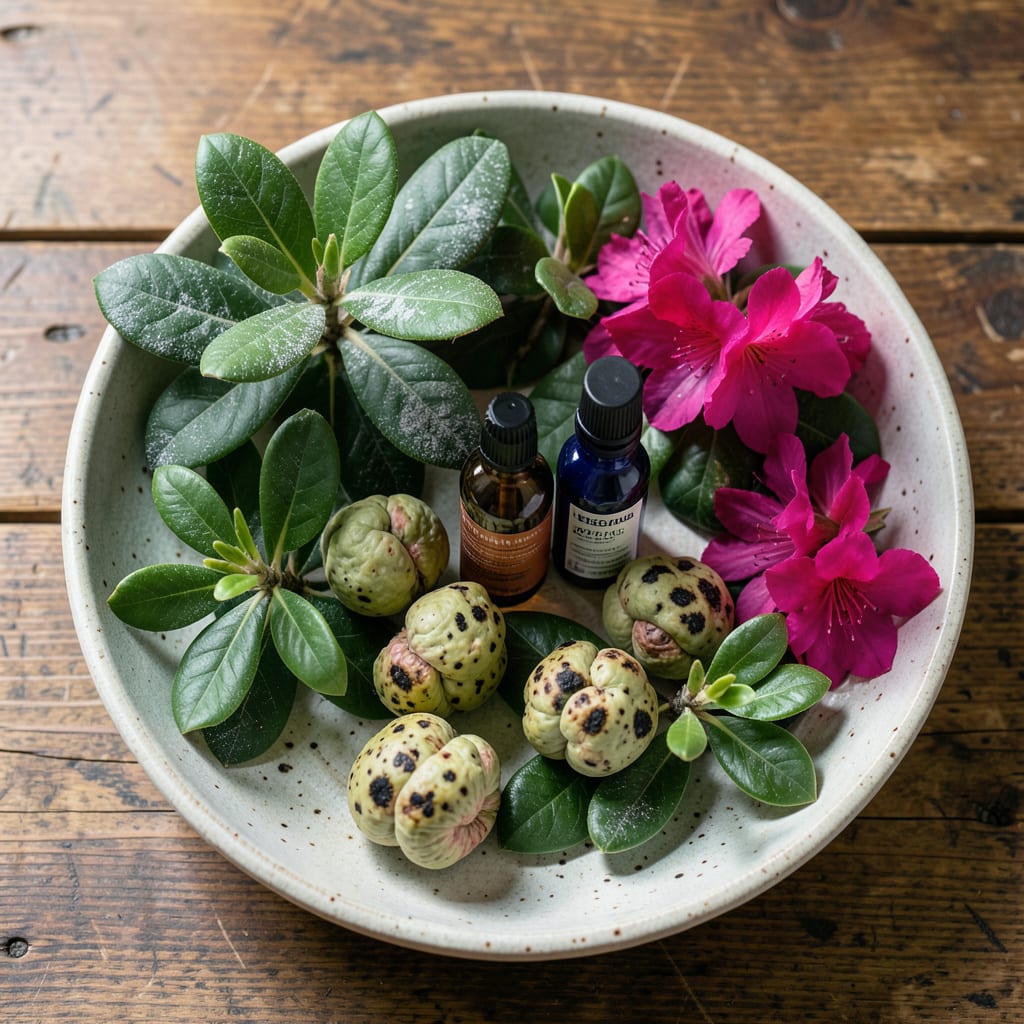
Spotted leaves or wilting branches on your azaleas aren’t just unsightly—they’re a cry for help. I’ve seen healthy shrubs turn sickly overnight, and the key is catching problems early before they spread.
The most common culprits show up as powdery coatings, dark spots, or yellowing foliage. Each has a distinct look, and matching the symptom to the right treatment makes all the difference. Organic solutions often work just as well as chemicals without the harsh effects.
With the right approach, you can nurse your plants back to health in 2-4 weeks. Prevention is simpler than cure, and I’ll show you how to keep your azaleas thriving long-term.
Works for garden beds, container plants, and established shrubs alike. Let’s identify what’s wrong and fix it.
Azalea diseases often stem from a mix of environmental stress, pathogens, and poor cultural practices. Understanding the root causes helps prevent and treat issues effectively.
High humidity and poor air circulation create ideal conditions for fungi like Phytophthora and Exobasidium. These pathogens thrive in overly moist soil or foliage, leading to leaf spots, wilting, or gall formation. Overhead watering or crowded plantings exacerbate the problem by keeping leaves wet for extended periods.
Insects such as lace bugs, spider mites, and azalea bark scale weaken plants by sucking sap or damaging tissue. Stress from pest activity makes azaleas more susceptible to secondary infections. Lace bugs, for example, cause stippling and yellowing by piercing leaf cells, while scale insects secrete honeydew, promoting sooty mold growth.
Extreme temperatures, drought, or waterlogged roots stress azaleas, compromising their natural defenses. Improper pH levels (azaleas prefer acidic soil, 4.5–6.0) can also limit nutrient uptake, leading to chlorosis or stunted growth. Sudden temperature swings or frost damage may trigger dieback or leaf scorch.
A lack of essential nutrients—particularly iron, magnesium, or nitrogen—manifests as discolored or distorted foliage. Iron deficiency, common in alkaline soils, causes interveinal chlorosis (yellowing between leaf veins). Over-fertilization, especially with high-nitrogen products, can also harm roots and reduce disease resistance.
Tackling azalea diseases starts with identifying the problem and applying the right fix. Below are practical solutions for common issues, paired with prevention tips to keep your plants thriving. 🌿
Remove infected leaves and treat with neem oil or a baking soda solution (1 tbsp baking soda + 1 tsp dish soap + 1 gallon water). Prune crowded branches to boost airflow. Prevention tip: 💡 Space plants properly and water at the base to avoid wet foliage.
Spray horticultural oil or insecticidal soap on the undersides of leaves where bugs hide. Repeat every 5–7 days until gone. Prevention tip: 🎯 Encourage natural predators like ladybugs by planting companion flowers.
Trim black, mushy roots and repot in fresh, well-draining soil. Reduce watering and ensure pots have drainage holes. Prevention tip: ✨ Use a moisture meter to avoid overwatering.
Handpick swollen, discolored leaves (galls) and dispose of them in sealed bags. Apply a copper fungicide if the problem persists. Prevention tip: 🌡️ Avoid overhead watering to limit fungal spread.
Test soil pH and amend with aluminum sulfate or elemental sulfur to lower pH (azaleas prefer 4.5–6.0). Use chelated iron if deficiency is severe. Prevention tip: 🔥 Mulch with pine needles to maintain acidity.
Look for yellowing leaves, dark spots, or powdery coatings. Compare these signs with trusted visual references to match symptoms to specific diseases like powdery mildew or leaf gall.
Use horticultural oil or insecticidal soap every 5–7 days. Spray the undersides of leaves where bugs hide for best results.
Reduce watering and ensure pots have drainage holes. Use a moisture meter to avoid overwatering, and trim any black, mushy roots immediately.
Yellowing often signals iron deficiency or improper soil pH. Test your soil and amend with chelated iron or sulfur to lower pH to 4.5–6.0.
