
Beautiful Plants For Your Interior
Beautiful Plants For Your Interior
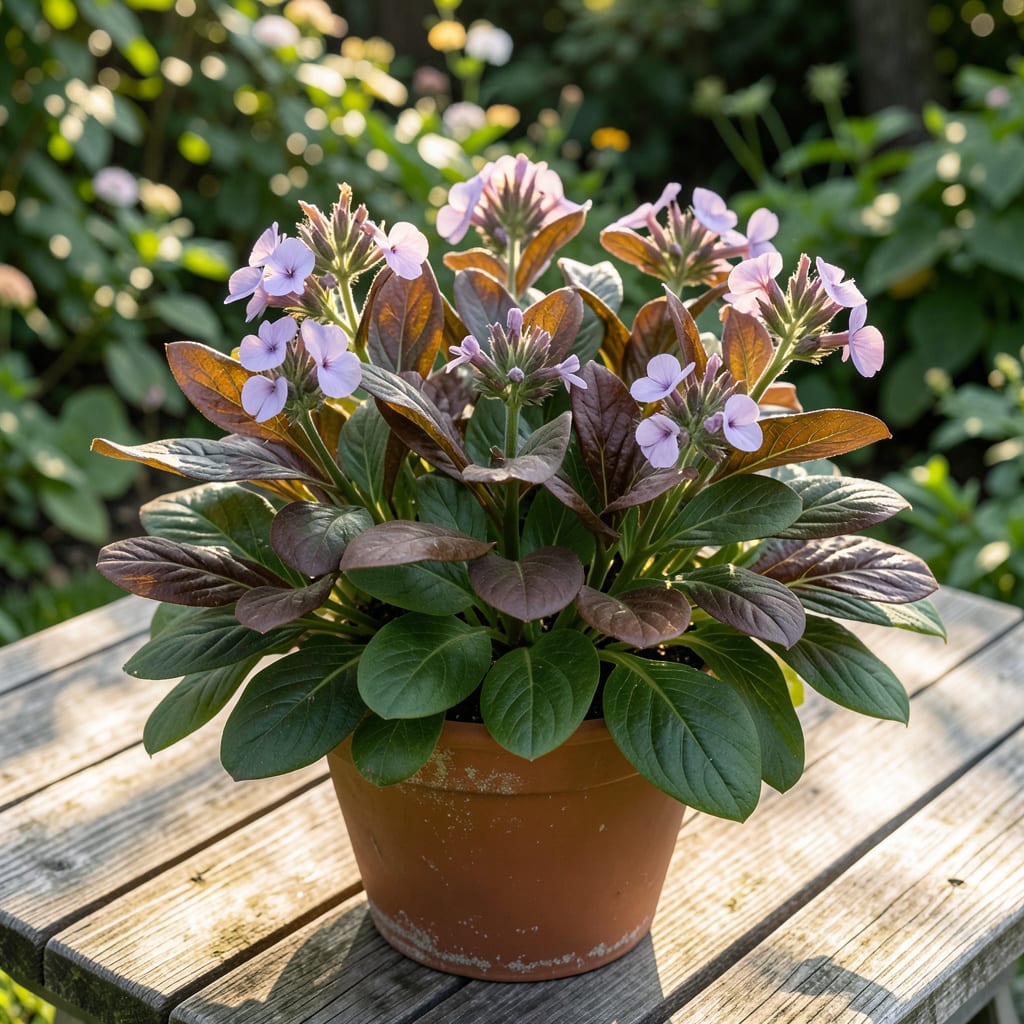
Brown leaves on your phlox aren’t just ugly—they’re a cry for help. I’ve seen this exact issue turn healthy plants into crispy skeletons in 2-3 weeks if ignored.
Usually it’s not one problem but a combo: too much water, not enough air, or soil that’s starving your plants. The good news? Each cause has a visible clue if you know where to look.
You’ll spot the difference between fungal spots, drought curl, or pest damage with a quick inspection. Most fixes take 5 minutes and a trip to your garden shed.
Works for all phlox varieties, from tall garden types to creeping ground covers. Let’s diagnose and fix this.
Phlox leaves turning brown often signal underlying issues that disrupt the plant’s health. Below are the most common causes, explained with scientific precision to help you diagnose and address the problem.
Drought or Heat Stress: Phlox thrives in consistently moist soil. When exposed to prolonged high temperatures (above 85°F/29°C) or inadequate watering, the plant’s xylem vessels struggle to transport water efficiently. This leads to cellular dehydration, causing leaf margins to brown and crisp—a condition known as scorch. Action: Water deeply 1–2 times per week, especially during dry spells, and mulch to retain soil moisture.
Root Asphyxiation: Excess water saturates the soil, displacing oxygen and promoting anaerobic conditions. This suffocates the roots, impairing their ability to absorb nutrients. As a result, leaves may turn brown due to nutrient deficiencies (e.g., nitrogen or potassium) or root rot caused by pathogens like Phytophthora. Action: Ensure well-draining soil and reduce watering if the top inch of soil is damp.
Leaf Spot or Powdery Mildew: Fungi such as Alternaria or Erysiphe thrive in humid, poorly ventilated conditions. They infect phlox leaves, disrupting chlorophyll production and causing necrotic spots that expand into brown patches. Action: Improve air circulation, avoid overhead watering, and apply fungicides (e.g., copper-based) preventatively.
Lack of Essential Minerals: Brown leaves can indicate deficiencies in magnesium (interveinal chlorosis followed by browning), potassium (scorched leaf edges), or iron (yellowing between veins). These nutrients are vital for photosynthesis and enzyme function. Action: Conduct a soil test and amend with balanced fertilizers or targeted supplements (e.g., Epsom salt for magnesium).
Sap-Sucking Insects: Pests like spider mites or aphids pierce leaf cells to feed on sap, damaging mesophyll tissue and reducing the plant’s ability to retain water. This often results in stippled or browned foliage. Action: Inspect leaf undersides and treat with insecticidal soap or neem oil.
If your phlox leaves are turning brown, act fast with these targeted fixes to restore your plant’s health.
Remove affected leaves immediately to prevent spread. Apply a copper-based fungicide or neem oil spray every 7–10 days until symptoms subside. Prevention tip: 💡 Space plants 18–24 inches apart for better airflow, and water at the base to keep foliage dry.
Let the top 1–2 inches of soil dry out between waterings. If the soil stays soggy, amend it with compost or sand to improve drainage. Prevention tip: ✨ Use a moisture meter to avoid guessing—phlox prefers slightly moist, not waterlogged, conditions.
Move potted phlox to partial shade (especially in afternoon heat) or add a layer of mulch (2–3 inches) to retain moisture and cool roots. Prevention tip: 🌡️ In hot climates, choose varieties like Phlox paniculata that tolerate heat better.
Yellowing-brown leaves often signal a lack of nitrogen or potassium. Use a balanced, slow-release fertilizer (10-10-10) or a phosphorus-heavy mix for flowering. Prevention tip: 🎯 Test soil annually—phlox thrives in slightly acidic to neutral soil (pH 6.0–7.0).
Check undersides of leaves for spider mites or aphids. Blast them off with water or use insecticidal soap. Prevention tip: 🔍 Encourage beneficial insects like ladybugs by planting companion flowers like marigolds.
Not always! Environmental stress like drought or heat can cause browning too. Check soil moisture and temperature first before assuming it’s a fungal issue.
Overwatered leaves often feel soft and mushy, while underwatered leaves are dry and crispy. Stick your finger 1-2 inches into the soil to check moisture levels.
Yes! Removing brown or spotted leaves improves airflow and prevents disease spread. Use clean shears and dispose of clippings away from the garden.
If the stems are still green, there’s hope. Cut back damaged foliage, address the root cause, and provide consistent care. Recovery may take 2-3 weeks.
