
Beautiful Plants For Your Interior
Beautiful Plants For Your Interior
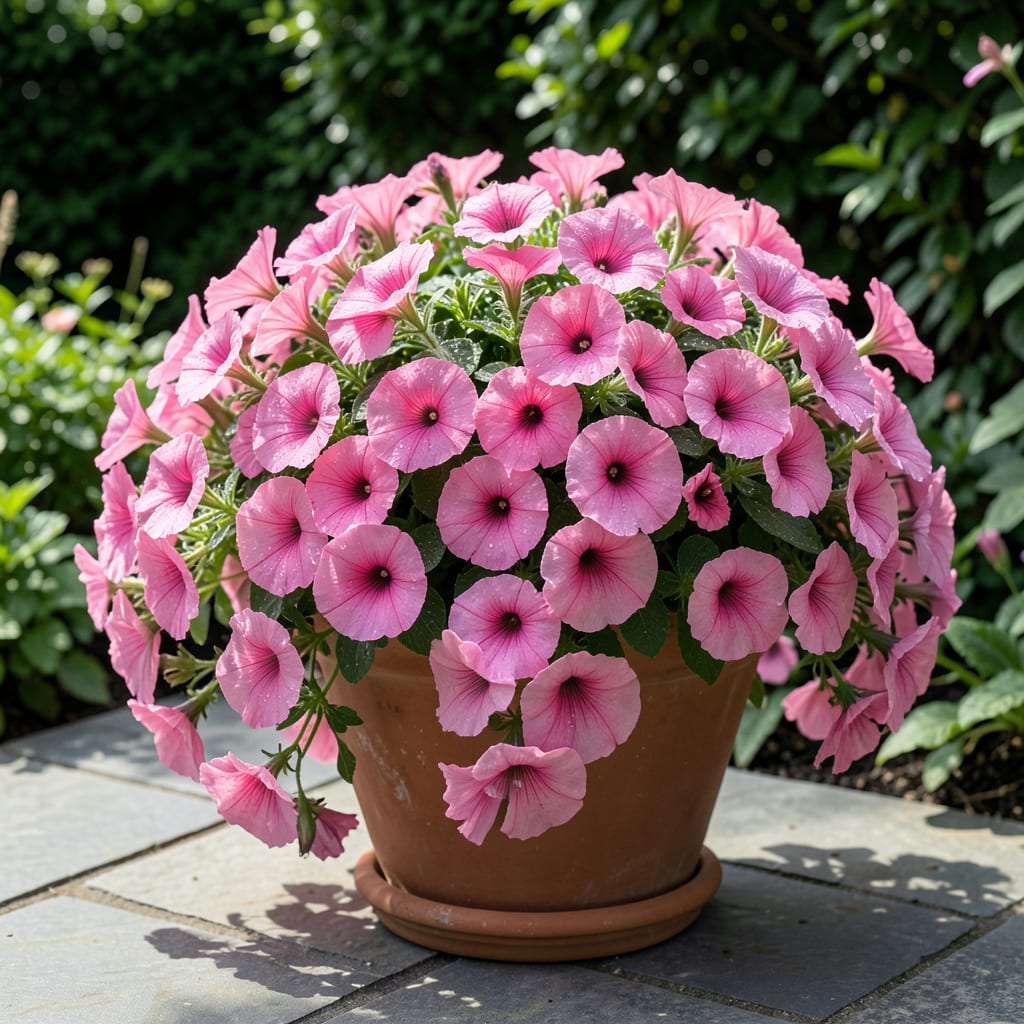
These petunias changed my summer garden game completely. The vibrant pink blooms keep coming, wave after wave, from spring until frost without deadheading.
I plant them in full sun, give them well-draining soil, and they reward me with color that stops neighbors in their tracks. They handle heat better than any other petunia I’ve tried.
📚 In This Guide
Here’s the method I use to get the most vibrant, long-lasting blooms from this variety.
Select a site with full sun—at least 6-8 hours of direct sunlight daily. This variety thrives in bright, open spaces but can tolerate a bit of afternoon shade in extremely hot climates. I’ve found that morning sun is particularly beneficial for encouraging strong, compact growth.
Avoid low-lying areas where cold air or frost might settle. Even a light frost can damage the tender foliage and set back growth significantly. If planting in containers, ensure they’re placed where they’ll receive consistent sunlight throughout the day.
Work the soil to a depth of 12-15 inches, breaking up any clumps and removing weeds or debris. This variety performs best in well-draining, fertile soil with a slightly acidic to neutral pH (6.0-7.0). If your soil is heavy or clay-like, amend it with compost or aged manure to improve drainage and fertility.
I always add a slow-release fertilizer to the planting area to give the plants a steady supply of nutrients. This step ensures the roots establish quickly and the plants start producing those signature vibrant blooms early in the season.
Space plants 12-18 inches apart to allow for good air circulation, which helps prevent fungal diseases. If planting in containers, use a pot that’s at least 12 inches in diameter per plant to give the roots enough room to spread. Dig a hole slightly larger than the root ball, place the plant in, and backfill with soil.
Gently firm the soil around the base to eliminate air pockets, then water deeply to settle the soil. I’ve noticed that plants established this way tend to recover from transplant shock faster and start blooming sooner.
Water plants deeply at the base, keeping the soil consistently moist but not waterlogged. This variety is somewhat drought-tolerant once established, but regular watering encourages continuous blooming. I water mine in the early morning to reduce evaporation and prevent fungal issues.
Feed every 2-3 weeks with a balanced, water-soluble fertilizer to support vigorous growth and abundant flowering. Deadhead spent blooms regularly to encourage the plant to produce more flowers. This step is key to maintaining that season-long color.
Keep an eye out for common pests like aphids, whiteflies, or spider mites, which can stress the plant and reduce flowering. If you notice any signs of infestation, treat with an insecticidal soap or neem oil as soon as possible. I check the undersides of leaves weekly for early detection.
Watch for symptoms of fungal diseases, such as powdery mildew or leaf spots, especially in humid conditions. Proper spacing, good air circulation, and avoiding overhead watering can prevent most issues. If problems arise, remove affected leaves immediately to stop the spread.
Here’s what I’ve learned through seasons of growing these vibrant plants.
The Sunlight Factor: The 6-8 hours of daily full sun mentioned in Step 1 is non-negotiable for maximum bloom production. Morning sun is particularly effective, as it dries dew quickly and reduces fungal risks. In scorching climates, a bit of afternoon shade won’t hurt, but don’t compromise on the minimum sunlight requirement.
Soil Depth Matters: When preparing the soil in Step 2, don’t skimp on the 12-15 inch depth. Shallow soil preparation leads to weak root systems. I’ve seen plants struggle in compacted soil, while those with properly loosened earth establish faster and bloom more abundantly.
Spacing for Success: The 12-18 inch spacing in Step 3 isn’t just about aesthetics—it’s critical for air circulation. Crowded plants create humid microclimates that invite fungal diseases. In containers, that 12-inch diameter minimum per plant ensures root health and bloom production.
Water regularly, ensuring well-draining soil, and fertilize weekly with a balanced liquid fertilizer. Deadheading isn’t needed—these self-cleaning plants thrive in full sun (6+ hours daily).
Plant after the last frost in spring when temperatures stay above 50°F (10°C). They love warm weather and will bloom until the first fall frost.
Try Supertunia Vista Silverberry or Cascadias series for similar vigor and low maintenance. Both offer prolific blooms and trailing habits.
Wilting often signals underwatering or heat stress. Check soil moisture—keep it consistently damp but not soggy. Mulch can help retain moisture.
Yes! Their bright pink blooms attract bees, butterflies, and hummingbirds, making them a pollinator-friendly choice.
