
Beautiful Plants For Your Interior
Beautiful Plants For Your Interior
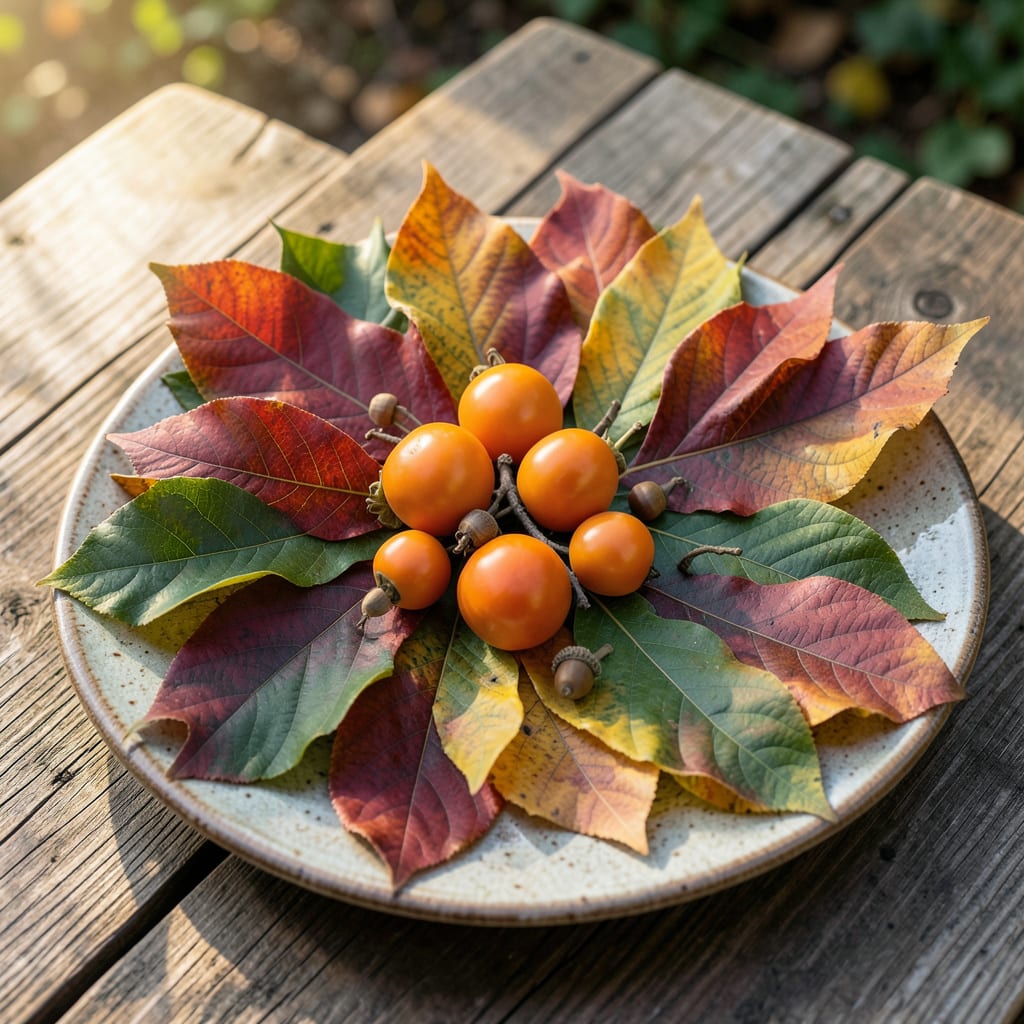
When the persimmon tree leaves fall, it signals the shift to autumn and a garden in transition. I love watching the foliage turn from deep green to fiery orange, a natural display that needs no enhancement.
This seasonal change is the perfect time to give your tree a little care. A fresh layer of mulch and a light pruning can set it up for a stronger next year, while letting the leaves decompose naturally adds nutrients back into the soil.
📚 In This Guide
Here’s how I maximize the stunning seasonal transformation in my own garden every autumn.
Watch for the first signs of transformation in late September or early October, depending on your climate. The leaves begin shifting from deep green to vibrant oranges, reds, and yellows as daylight shortens and temperatures drop. This process typically spans 4-6 weeks, with peak color lasting about 10-14 days.
I check the tree daily once the change starts—you’ll notice the most dramatic shifts after the first few cool nights below 50°F. The color intensifies with each passing frost, so don’t miss the window. A light morning dew often makes the hues appear even more vivid.
Ensure your persimmon tree gets full sun during the fall to deepen the leaf colors. If the tree is partially shaded, the leaves may turn a duller yellow instead of the fiery reds and oranges you want. I prune back any overhanging branches from nearby trees in late summer to let in maximum light.
You’ll see the best color on the outer canopy where sunlight hits directly. The inner leaves, shaded by the tree itself, often change later and may drop before reaching full vibrancy. Position a bench or seating area where you can enjoy the most striking views.
Plan to enjoy the display when about 70-80% of the leaves have changed color but before they start falling heavily. This is usually mid-to-late October for most regions. I like to host a small gathering during this window so friends can experience the tree at its finest.
A gentle breeze will rustle the leaves, creating a shimmering effect that’s pure magic. If you’re photographing the tree, early morning or late afternoon light brings out the richest tones. Avoid windy days, as the leaves may fall prematurely.
Once the leaves begin to drop, gather a few to use in crafts or as natural decor. I lay them flat between sheets of paper and place a heavy book on top for 5-7 days to press them. The preserved leaves retain much of their color and can be framed or used in wreaths.
Rake the leaves from the ground if you prefer a tidy lawn, but consider leaving a thin layer as mulch. They’ll break down over winter, enriching the soil with nutrients. Just don’t let them pile up too thickly, as this can smother the grass underneath.
After the leaves have mostly fallen, usually by late November, give the tree a final inspection. Remove any dead or diseased branches to prevent issues over winter. I also apply a 2-3 inch layer of mulch around the base to protect the roots from freezing temperatures.
This is also a good time to note any areas where the tree might need extra care next season. If the color was lackluster this year, consider adjusting sunlight exposure or soil nutrients before spring. The cycle starts all over again with fresh growth in a few short months.
Small adjustments make a big difference in enjoying your tree’s seasonal transformation.
Timing Secret: The 4-6 week color change window is your guide, but peak beauty only lasts 10-14 days. I set calendar reminders for late September to start watching for the first hints of orange and red. Don’t wait until mid-October to notice—the best moments happen quickly.
Temperature Matters: Those cool nights below 50°F trigger the most dramatic color shifts. I’ve noticed the leaves turn deepest red after the first light frost. If your area stays warmer longer, the transformation might be more gradual and muted.
Sunlight Strategy: In Step 2, pruning for full sun exposure is non-negotiable for vibrant colors. I learned this the hard way when my partially shaded tree produced only dull yellows one year. The outer canopy always shows the most spectacular hues where sunlight hits directly.
Preservation Tip: For Step 4, the 5-7 day pressing time is perfect for craft projects. I use heavy hardcover books for even pressure, and the leaves maintain their color beautifully. Just be sure they’re completely dry before pressing to prevent mold.
Persimmon trees are deciduous, meaning they naturally shed leaves in fall to conserve energy during colder months. The vibrant color change is due to chlorophyll breaking down, revealing hidden pigments like reds and oranges.
Leaves usually begin dropping in late fall, around October or November, depending on the climate. Cooler temperatures and shorter daylight trigger the process, with full leaf drop often completed before winter.
Early leaf drop may signal stress, like drought or disease. Ensure proper watering, mulching, and pest control. However, seasonal shedding is natural—focus on keeping the tree healthy year-round.
Rake and compost them! Persimmon leaves decompose well, enriching soil with nutrients. Avoid leaving thick layers on the ground, as they can trap moisture and encourage fungal growth.
