
Beautiful Plants For Your Interior
Beautiful Plants For Your Interior
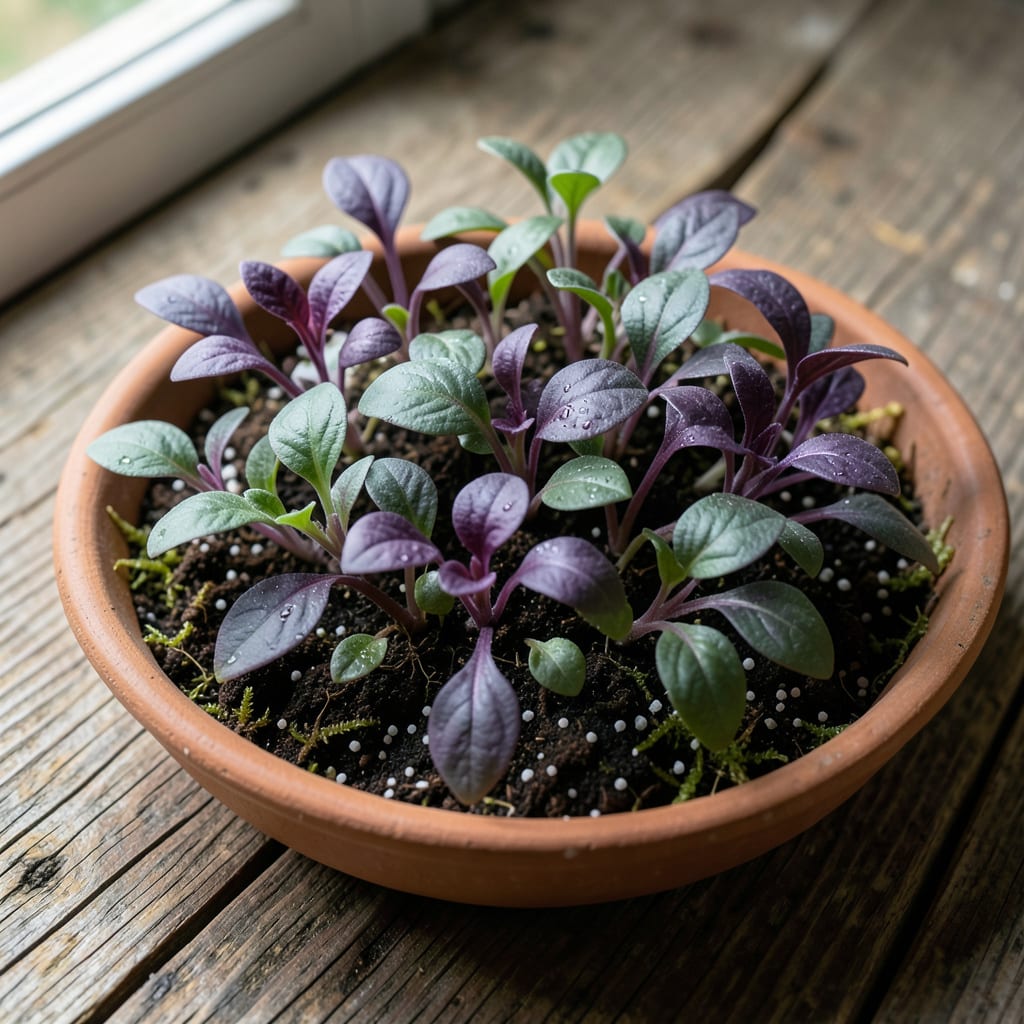
Those purple pepper seedlings aren’t just pretty—they’re crying for help. I learned this the hard way after losing half my crop to what looked like a fancy color show.
Turns out, that deep purple tint usually means they’re starving for phosphorus or shivering in cold soil. Sometimes it’s both. The fix is simpler than you’d think: warmer temps and the right nutrients at the right time.
Within 3-5 days of adjusting, you’ll see green return to the leaves. The seedlings bounce back fast once they get what they need, and you avoid stunted growth that haunts them all season.
Prevention is even easier: start seeds in 70°F+ soil and use a balanced fertilizer from day one. No more purple panic.
Purple discoloration in pepper seedlings is rarely just a cosmetic issue—it’s a distress signal. The color change usually points to one of several underlying problems, each with a distinct biological mechanism. Below are the most common causes, explained in practical terms so you can diagnose and act quickly.
When soil is too cold (below 55°F/13°C) or overly acidic (pH < 5.5), pepper roots struggle to absorb phosphorus, a nutrient critical for energy transfer and root development. Without it, seedlings can’t produce adequate chlorophyll, leading to a purple or reddish tint on stems, leaf veins, and undersides. This is especially common in early spring or unheated greenhouses.
Potassium supports enzyme activation and water regulation. A deficiency often manifests as purple spotting or margins on older leaves first, then spreads. Unlike phosphorus, potassium uptake is hindered by waterlogged soil or competition from excess calcium or magnesium. Sandy or heavily leached soils are frequent culprits.
While less common, intense or prolonged UV exposure (especially under grow lights without proper distance) can trigger anthocyanin production—a purple pigment that acts as a natural sunscreen in plants. If seedlings are too close to LEDs or in direct, harsh sunlight for extended periods, this defensive response kicks in.
Fungal infections like Fusarium or Phytophthora can disrupt nutrient uptake, indirectly causing purple hues as the plant’s vascular system weakens. Look for accompanying symptoms such as wilting, yellowing, or stunted growth to confirm a disease is at play.
If your pepper seedlings are turning purple, don’t panic—most causes are fixable with a few simple adjustments. Below are targeted solutions for each common issue, along with prevention tips to keep your seedlings thriving.
Start by switching to a balanced fertilizer with higher phosphorus (look for an NPK ratio like 5-10-5 or 10-20-10). Apply it at half-strength to avoid burning tender roots. For a quick boost, mix 1 tablespoon of bone meal into the soil around each seedling. Prevention tip: 💡 Use a well-draining, nutrient-rich seed-starting mix from the get-go to avoid early deficiencies.
Move seedlings to a warmer location (ideally 70–80°F) or use a heat mat under trays. If outdoors, cover them with cloches or row covers at night. Prevention tip: 🌡️ Start seeds indoors in a controlled environment until nighttime temperatures stay above 55°F.
If seedlings are under grow lights or in intense sun but still purple, they may be exhausting their nutrient supply. Transplant them into larger containers with fresh, phosphorus-rich potting mix. Prevention tip: ✨ Begin with a pre-fertilized seed-starting mix and feed lightly with a diluted liquid fertilizer every 2 weeks.
Let the soil dry slightly between waterings and ensure pots have drainage holes. If roots are waterlogged, repot into fresh, dry mix. Prevention tip: 🎯 Water only when the top inch of soil feels dry, and use containers with drainage to avoid soggy roots.
With these adjustments, your pepper seedlings should regain their healthy green color in 1–2 weeks. Stay consistent with care, and they’ll be ready for transplanting in no time!
Most seedlings regain green color in 1-2 weeks once conditions improve. Phosphorus fixes show results fastest, while cold stress recovery may take slightly longer.
Yes, but growth will be stunted until the issue is resolved. Early action prevents long-term problems. Left untreated, they may remain weak throughout the season.
Some pepper varieties naturally develop purple stems or leaves. True deficiency shows as uniform purple on leaves/veins, not just stems. Compare to healthy plants of same variety.
