
Beautiful Plants For Your Interior
Beautiful Plants For Your Interior
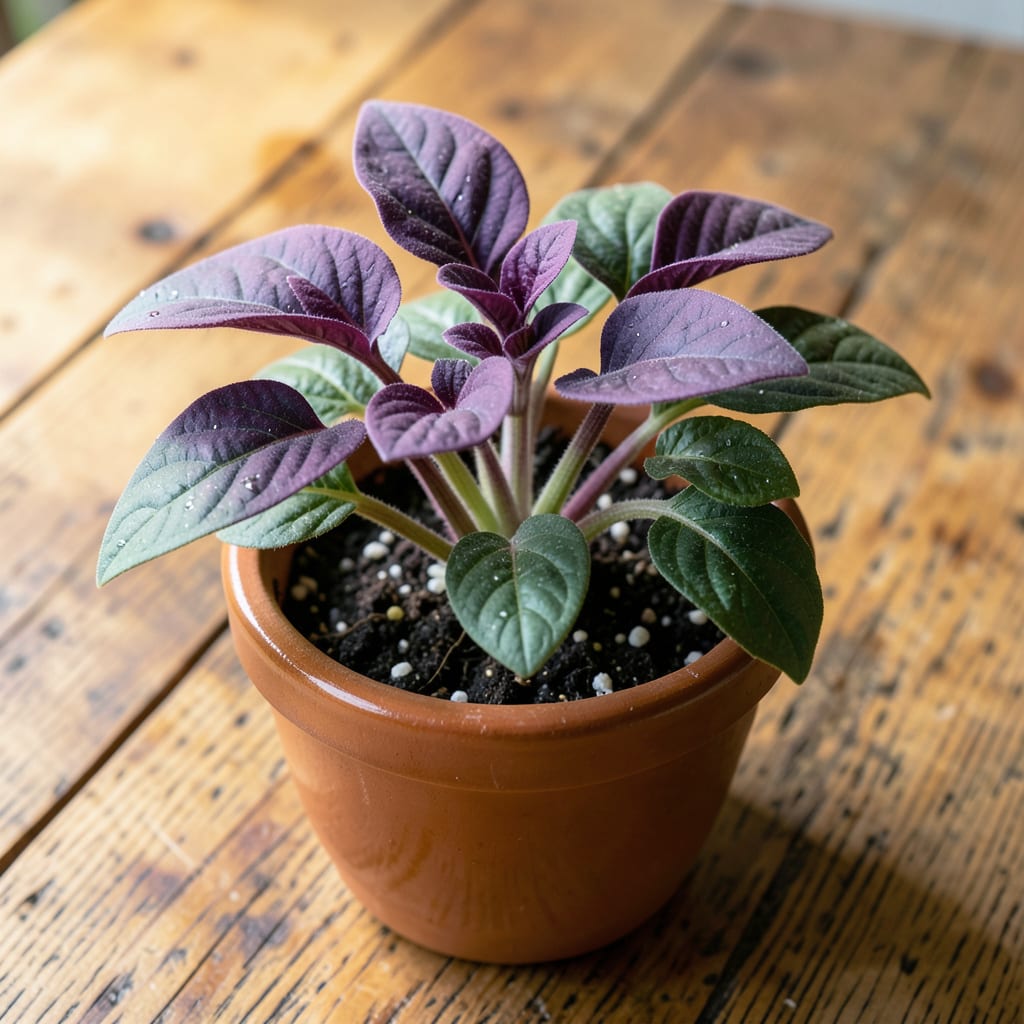
Those purple pepper leaves caught me off guard last spring. 🌱 Turns out, it’s usually a sign your seedlings aren’t getting enough phosphorus, but temperature swings or overwatering can trigger it too.
I fixed mine in 48 hours with a simple phosphorus boost and better temperature control. The key is catching it early—before the purple spreads to new growth and stunts your plants.
You’ll see green returning within days once you address the cause. Most gardeners overthink this, but the solution is often simpler than you’d expect.
Works for all pepper varieties, from bell to jalapeño. Here’s how to diagnose and fix it for good.
Purple leaves on pepper seedlings often signal an underlying issue, and the most common culprit is phosphorus deficiency. However, other factors can also contribute to this discoloration. Below are the primary causes, explained in detail.
Phosphorus is a macronutrient essential for root development, energy transfer, and overall plant growth. When seedlings lack phosphorus, they struggle to produce ATP (adenosine triphosphate), the energy currency of cells. This deficiency often appears as dark green or purple-tinged leaves, especially on the undersides, as the plant redirects phosphorus from older leaves to support new growth. Cold soil temperatures (below 55°F/13°C) can exacerbate this issue, as phosphorus becomes less available in chilly conditions.
Pepper plants are warm-season crops and thrive in temperatures between 70–80°F (21–27°C). When exposed to cold drafts, unheated greenhouses, or early spring planting in cool soil, seedlings may develop purple leaves due to reduced nutrient uptake. Cold stress slows metabolic processes, limiting the plant’s ability to absorb phosphorus and other vital nutrients, even if they’re present in the soil.
Excessive moisture or waterlogged soil can suffocate roots, leading to poor nutrient absorption. When roots can’t breathe, they fail to take up phosphorus efficiently, mimicking deficiency symptoms. Additionally, compacted or clay-heavy soils can restrict root growth, further limiting access to nutrients. Purple leaves may appear alongside wilting or yellowing, signaling root distress.
Pepper plants prefer a slightly acidic to neutral soil pH (6.0–6.8). If the pH drifts too high (alkaline) or too low (acidic), phosphorus and other nutrients become less soluble, making them unavailable to the plant. A soil test can confirm whether pH is the issue—amending with lime (to raise pH) or sulfur (to lower pH) can restore balance and improve nutrient uptake.
Here’s how to tackle each common cause of purple pepper seedling leaves with simple, actionable fixes.
Fix: Add a balanced liquid fertilizer (10-10-10 or 5-10-10) or a phosphorus-rich option like bone meal or fish emulsion. Water it in well to help roots absorb nutrients. For a quick boost, use a foliar spray with a phosphorus-heavy formula.
Prevention: Test your soil before planting and mix in compost or aged manure for long-term nutrient balance. Avoid overwatering, which can lock phosphorus out of reach.
Fix: Move seedlings indoors or to a warmer spot (above 55°F/13°C at night). Use a heat mat or cloche to trap warmth if outdoor temps dip. Acclimate seedlings gradually to cooler temps if hardening off.
Prevention: Start seeds indoors in early spring or use row covers to shield young plants. Monitor weather forecasts to avoid unexpected cold snaps.
Fix: Let the soil dry slightly between waterings. If roots are waterlogged, repot seedlings in fresh, well-draining mix (add perlite or sand). Trim any black, mushy roots to prevent rot.
Prevention: Use containers with drainage holes and a light, airy potting mix. Water only when the top inch of soil feels dry.
Fix: Provide partial shade (especially during peak afternoon hours) with a shade cloth or by moving pots to a brighter-but-indirect light spot.
Prevention: Gradually introduce seedlings to full sun over 7–10 days. Young peppers often need 6–8 hours of gentle sunlight daily.
💡 Pro Tip: Purple leaves can also signal genetic traits (e.g., purple pepper varieties). If new growth is green and healthy, your seedlings may just be showing their true colors!
With proper fixes, you’ll see improvement in 2-3 days. Full recovery typically takes 1-2 weeks as new green growth replaces purple leaves. Consistency is key—maintain the right conditions to prevent relapse.
Yes! Too much fertilizer, especially nitrogen, can lock out phosphorus uptake. Stick to recommended doses and test soil before adding more nutrients. Balance is critical for healthy seedlings.
Only if they’re severely damaged or dead. Otherwise, leave them—they’ll still photosynthesize while new green growth emerges. Prune gently to avoid stressing the plant further.
If addressed early, no. Delayed fixes may stunt growth, reducing yield. Act fast to ensure your plants reach full maturity and produce abundant peppers.
