
Beautiful Plants For Your Interior
Beautiful Plants For Your Interior
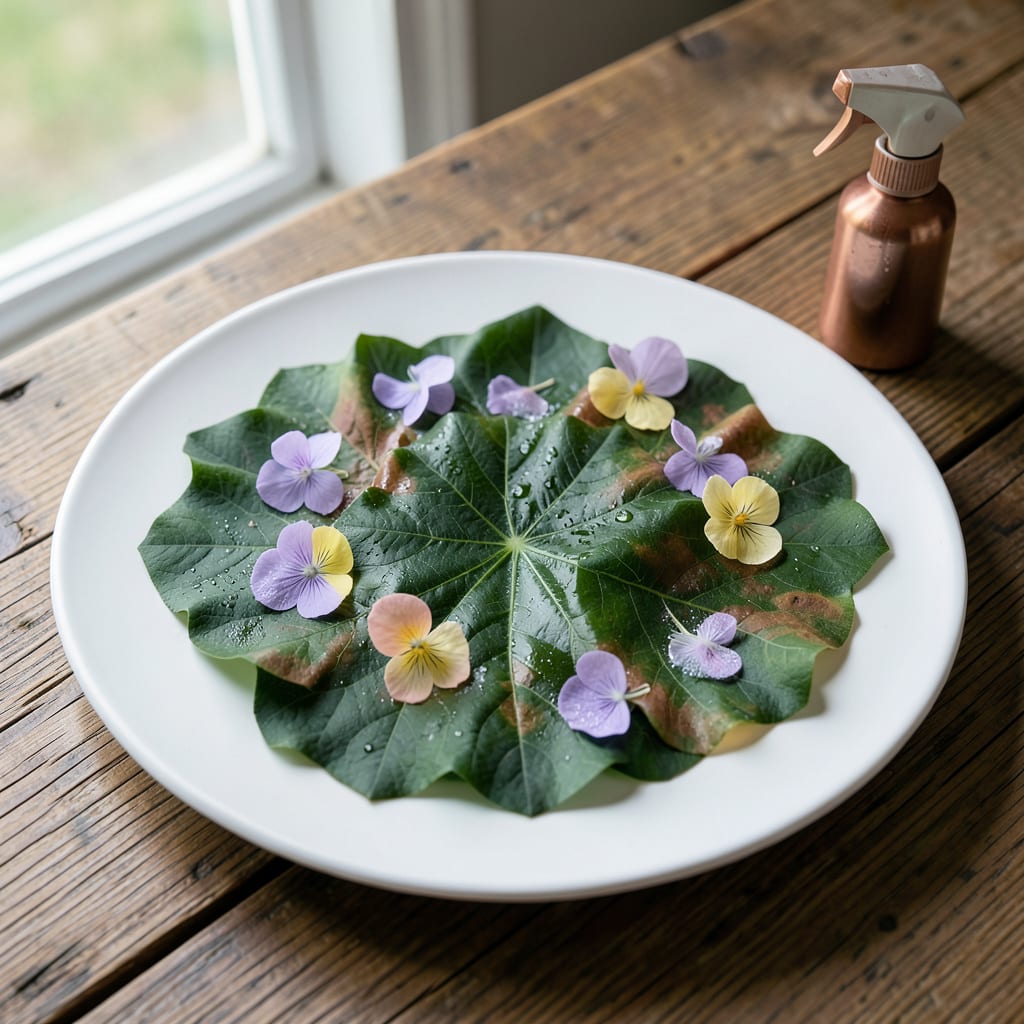
Those purple-black splotches on your peony leaves aren’t sun damage—they’re leaf blotch. I lost half my blooms to this fungus last spring before figuring out the simple fix.
The disease thrives in damp, crowded conditions, but cleaning up fallen leaves and improving air circulation stops it in its tracks. Most gardeners don’t realize early morning watering makes all the difference.
Natural sprays like copper or neem work if you catch it early, but prevention beats any cure. I now treat my peonies before the first signs appear, and they’ve stayed spot-free for 3 seasons.
Works for all peony varieties, from heritage plants to modern hybrids. Here’s how to reclaim your garden’s showstoppers.
Peony leaf blotch, a frustrating fungal disease, doesn’t appear out of nowhere. Understanding its root causes helps you prevent and treat it effectively. Here’s why it happens:
The primary culprit is the fungus Cladosporium paeoniae, which thrives in warm, wet conditions. Spores overwinter in infected plant debris and soil, then spread via wind, rain, or contaminated tools. When conditions are right (temperatures between 60–75°F and prolonged leaf wetness), the fungus infects leaves, causing those unsightly purple-brown spots.
Overhead watering, poor drainage, or high humidity create the perfect breeding ground for fungal spores. Peonies with dense foliage or crowded plantings trap moisture, accelerating infection. Even morning dew can contribute if leaves stay wet for extended periods.
Peonies planted too closely together or in shaded, stagnant areas suffer from reduced airflow. This limits evaporation, keeping foliage damp and inviting fungal growth. Pruning and spacing plants properly can mitigate this risk.
Fallen leaves or stems left on the ground over winter harbor spores. Without cleanup, these pathogens reinfect new growth in spring. Sanitation is key—remove and destroy (not compost) all infected plant material to break the disease cycle.
Peony leaf blotch is frustrating, but these targeted fixes can restore your plant’s health. Address the issue early for the best results.
If fungus is the culprit, prune infected leaves immediately using sterilized shears to prevent spread. Collect and dispose of (not compost!) all affected foliage. Apply a copper-based fungicide or neem oil spray every 7–10 days until the problem clears. For stubborn cases, remove and destroy severely infected plants to protect the rest.
Prevention tip: 💡 Space peonies 3–4 feet apart for better airflow, and water at the base in the morning to keep leaves dry.
Soggy soil invites fungal growth. Stop overhead watering and switch to a drip system or soaker hose. If drainage is poor, amend the soil with compost or sand to improve texture. Let the top 1–2 inches of soil dry out between waterings.
Prevention tip: 🌡️ Use a moisture meter to avoid guesswork—peonies prefer consistently moist but not waterlogged conditions.
Fallen leaves and plant debris harbor spores. Rake and remove all old foliage in late fall or early spring before new growth starts. Disinfect garden tools with rubbing alcohol after use to avoid cross-contamination.
Prevention tip: ✨ Mulch with straw or bark (not wood chips) to reduce splash-back onto leaves during rain.
A stressed peony is more vulnerable. Fertilize lightly in early spring with a balanced 10-10-10 formula, but avoid high-nitrogen feeds that promote leafy (and disease-prone) growth. Ensure plants get 6+ hours of sunlight daily.
Prevention tip: 🎯 Divide overcrowded clumps every 3–5 years to improve vigor and air circulation.
Apply copper-based fungicide or neem oil every 7–10 days during wet seasons. Start at first signs of infection and continue until the issue resolves. Consistency is key to breaking the fungal cycle.
Never compost infected foliage—this spreads spores. Always remove and destroy affected leaves in sealed bags. Sanitation prevents reinfection next season.
Use a drip irrigation or soaker hose to keep leaves dry. Water at the base in the early morning so foliage dries quickly. Avoid overhead sprinklers.
Yes! Ensure peonies get 6+ hours of sunlight daily. Good airflow and light exposure reduce moisture buildup, making plants less susceptible.
