
Beautiful Plants For Your Interior
Beautiful Plants For Your Interior
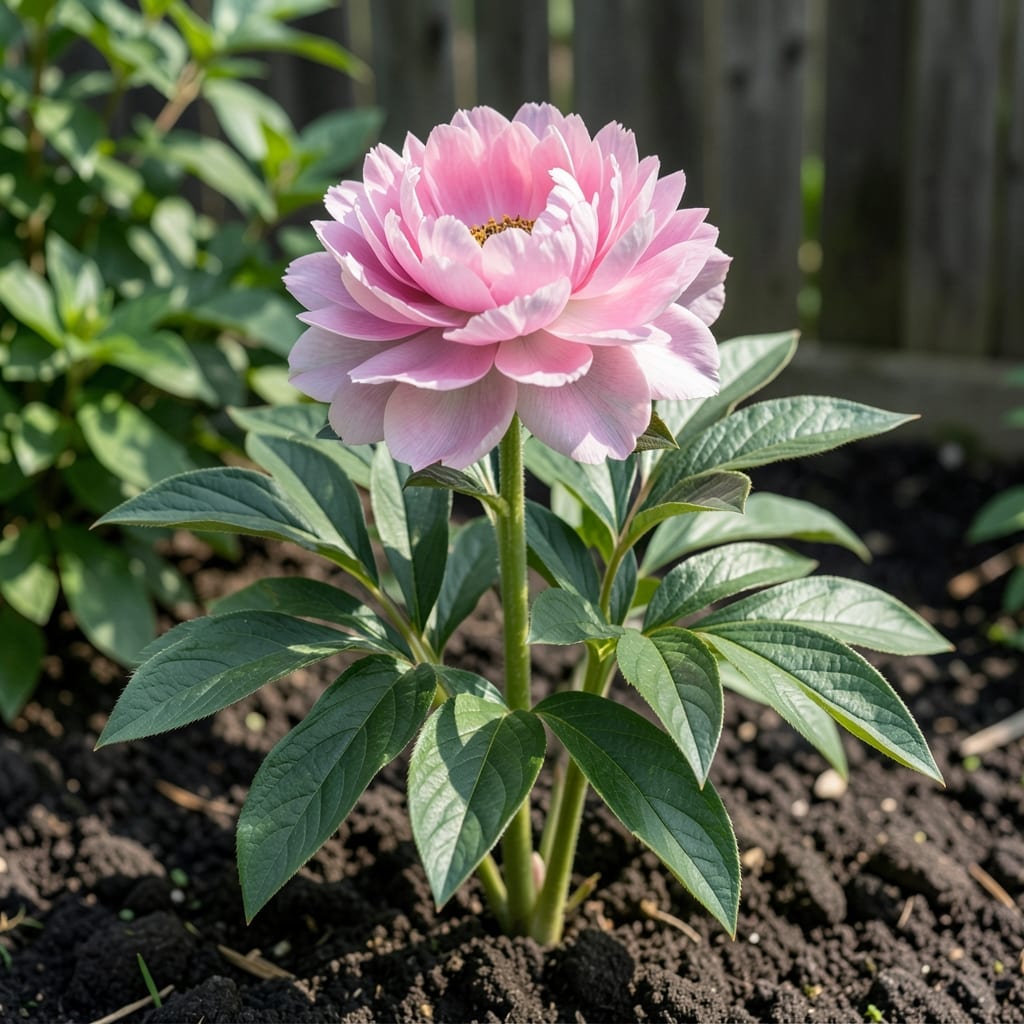
Peonies are the crown jewels of any garden, but their blooming success hinges on one critical factor: sunlight. Get the placement wrong, and you might end up with sparse 🌸 flowers and disappointing growth.
I’ve seen too many gardeners struggle with leggy stems and few blooms simply because they didn’t nail the light exposure. The good news? With the right approach, you can transform your peonies into the showstoppers they’re meant to be.
Discover how to give your peonies the perfect balance of sun and shade for lush, vibrant blooms year after year.
 Best Window Placement
If you’re wondering whether peonies prefer sun or shade, the answer isn’t black and white. Most peonies thrive in full sun, but some varieties can handle partial shade. The key is understanding your specific peony type and its light needs.
I’ve found that herbaceous peonies typically need 6-8 hours of sun daily for the best blooms. Without enough light, they often grow leggy and produce fewer flowers. Tree peonies, on the other hand, can tolerate more shade but still bloom best with morning sun.
| Peony Type | Sun Requirement | Shade Tolerance |
|---|---|---|
| Herbaceous | 6-8 hours | Low |
| Tree Peonies | 4-6 hours | Moderate |
| Itoh Peonies | 6 hours | Low |
Itoh peonies, a hybrid of herbaceous and tree types, also prefer full sun but can manage with a bit less. Their blooms are more abundant with more light, so aim for at least 6 hours daily for the best results.
In my experience, even shade-tolerant peonies like tree peonies benefit from morning sunlight. This helps dry the foliage, reducing the risk of fungal diseases. Afternoon shade can be beneficial in hotter climates to prevent scorching.
If your garden has limited sun, don’t despair. Partial shade can work, especially for tree peonies. Just ensure they get at least 4-6 hours of light, preferably in the morning. Avoid deep shade, as this often leads to weak stems and fewer flowers.
For urban gardeners, balconies or patios with southern or western exposure can be ideal. Container-grown peonies need the same light as in-ground plants, so place pots where they’ll get adequate sunlight. ✂️
Soil quality also plays a role in how well peonies handle shade. Rich, well-draining soil can help compensate for less-than-ideal light conditions. I always recommend amending the soil with compost before planting.
Remember, peonies are long-lived plants. If you start them in a less-than-perfect spot, you can transplant them later. Just be patient—it may take a year or two for them to settle in and bloom profusely again.
Finally, observe your garden’s light patterns throughout the day. What starts as a sunny spot in spring might be shaded by trees in summer. Use a sunlight calculator or app to track sun exposure accurately. 🌿
Choosing the right spot for your peonies can make all the difference in their growth and blooming. I always recommend starting with a sunlight assessment of your garden before planting. South-facing beds typically offer the most sunlight, ideal for most peony varieties.
For herbaceous peonies, a location with full sun exposure is perfect. These plants love 6-8 hours of direct sunlight daily. If your garden lacks full sun, consider east-facing spots that get gentle morning sun and afternoon shade.
In urban settings, balconies or patios with western exposure can work well. Just ensure your container-grown peonies receive at least 6 hours of sunlight daily. I’ve seen great success with peonies in large pots on sunny terraces.
Tree peonies offer more flexibility. They can thrive in partial shade, especially in hotter climates where afternoon sun might scorch their leaves. A spot with dappled sunlight under tall trees can be ideal for these varieties.
Remember that light patterns change with the seasons. A spot that’s sunny in early spring might be shaded by trees in summer. I recommend using a sunlight tracking app to monitor your garden’s light throughout the year.
For gardens with limited sun, focus on tree peonies and place them where they’ll get the most light possible. Even shade-tolerant varieties need some sun to produce those gorgeous blooms we all love. 🌷