
Beautiful Plants For Your Interior
Beautiful Plants For Your Interior
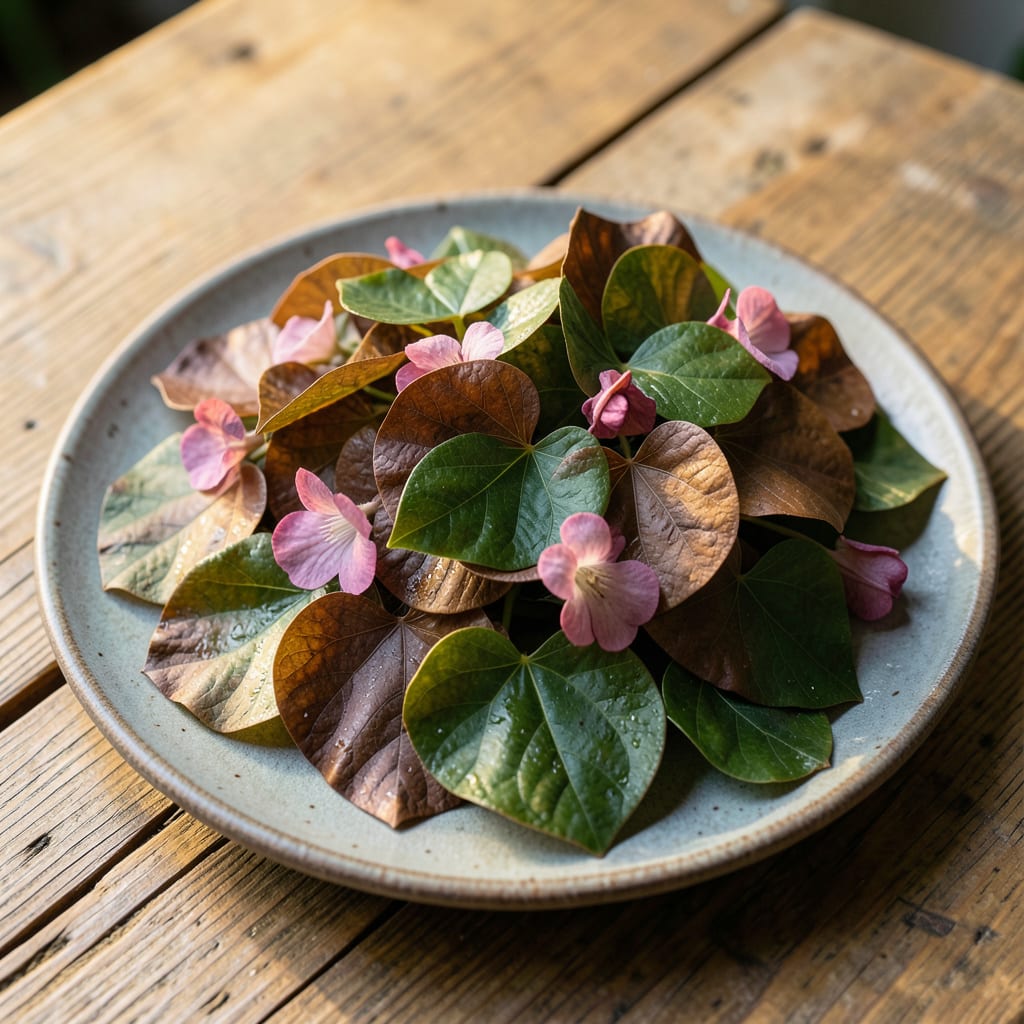
Brown leaves on pentas always signal a distress call. I’ve seen this happen when plants get too thirsty, too soggy, or too stressed by their surroundings.
Most often, it’s about water balance—either the soil’s bone-dry or waterlogged, suffocating the roots. Other times, harsh sun or sudden temperature swings push pentas past their limit.
Here’s the thing—these plants bounce back fast once you fix the issue. With a few adjustments, you’ll see new green growth in 1-2 weeks.
We’ll diagnose the exact cause and get your pentas thriving again. No guesswork, just results.
Pentas leaves turning brown often signal underlying stress or care issues. Here are the most common causes, explained with actionable insights:
Pentas thrive in warm climates but can suffer when temperatures exceed 90°F (32°C) or during prolonged drought. High heat accelerates water evaporation from leaves, leading to scorching and browning at the edges. Solution: Water deeply at the base (not leaves) in early morning and provide afternoon shade in extreme heat.
Root rot from soggy soil disrupts nutrient uptake, causing leaves to yellow first, then turn brown and crispy. Pentas prefer well-draining soil—clay or compacted soil traps moisture. Solution: Check soil moisture 2 inches down; water only when dry. Amend soil with perlite or sand.
Dry air or windy conditions pull moisture from leaves faster than roots can replace it, leading to desiccation. This often appears as brown, papery tips. Solution: Mulch around the base to retain moisture and use windbreaks for exposed plants.
A lack of magnesium (interveinal browning) or potassium (leaf edge scorching) can cause discoloration. Pentas are heavy feeders during blooming. Solution: Apply a balanced, water-soluble fertilizer every 4–6 weeks during growing season.
Spider mites or fungal infections (like Alternaria) can cause brown spots or patches. Inspect undersides of leaves for webbing or lesions. Solution: Treat mites with neem oil; improve airflow and avoid overhead watering to prevent fungus.
Reviving your pentas starts with pinpointing the issue and applying the right fix. Below are actionable solutions for the most common causes, plus tips to keep your plant thriving long-term.
Fix: Move your pentas to a spot with partial shade, especially during peak afternoon heat (12–4 PM). If growing in containers, shift pots to a cooler area. For in-ground plants, use shade cloth (30–50% density) temporarily. Trim severely burned leaves to redirect energy to healthy growth.
Prevention: Acclimate new plants gradually to full sun over 7–10 days. Mulch around the base to retain soil moisture and cool roots.
Fix: Check soil moisture by sticking your finger 2 inches deep—water only if dry. For overwatered plants, stop watering immediately and let the soil dry out. Improve drainage by mixing in perlite or coarse sand. For underwatered pentas, soak the soil deeply until water runs out the drainage holes.
Prevention: Use a moisture meter or water on a consistent schedule (e.g., every 3–4 days in hot climates, weekly in cooler weather). Always use pots with drainage holes.
Fix: Apply a balanced, water-soluble fertilizer (10-10-10 or 20-20-20) every 2–4 weeks during the growing season. For yellowing leaves with brown edges (magnesium deficiency), use Epsom salt (1 tbsp per gallon of water) as a foliar spray.
Prevention: Fertilize regularly but avoid overdoing it—follow package instructions. Refresh container soil annually with fresh potting mix.
Fix: Spray plants with neem oil or insecticidal soap (1 tbsp per quart of water) to tackle spider mites or aphids. For severe cases, remove heavily infested leaves and isolate the plant. Repeat treatment every 5–7 days until pests are gone.
Prevention: Inspect leaves weekly for early signs of pests. Encourage natural predators like ladybugs by planting companion flowers nearby.
Fix: Mist leaves with water in the morning or place a pebble tray filled with water beneath the pot. Grouping plants together can also boost humidity locally.
Prevention: Keep pentas in a naturally humid area (e.g., near a kitchen or bathroom with good airflow) or use a humidifier indoors.
💡 Pro Tip: Always water at the base of the plant to avoid fungal issues from wet foliage!
Water when the top 2 inches of soil feel dry, typically every 3-4 days in hot weather. Always check moisture first to avoid overwatering.
No, once leaves turn brown they won’t recover. Remove them and focus on improving care to encourage new green growth within 1-2 weeks.
Use a balanced 10-10-10 or 20-20-20 water-soluble fertilizer every 2-4 weeks. For magnesium deficiency, try Epsom salt spray.
Yes, trim severely damaged leaves to redirect energy. Use clean shears and cut just above a leaf node or stem junction.
