
Beautiful Plants For Your Interior
Beautiful Plants For Your Interior
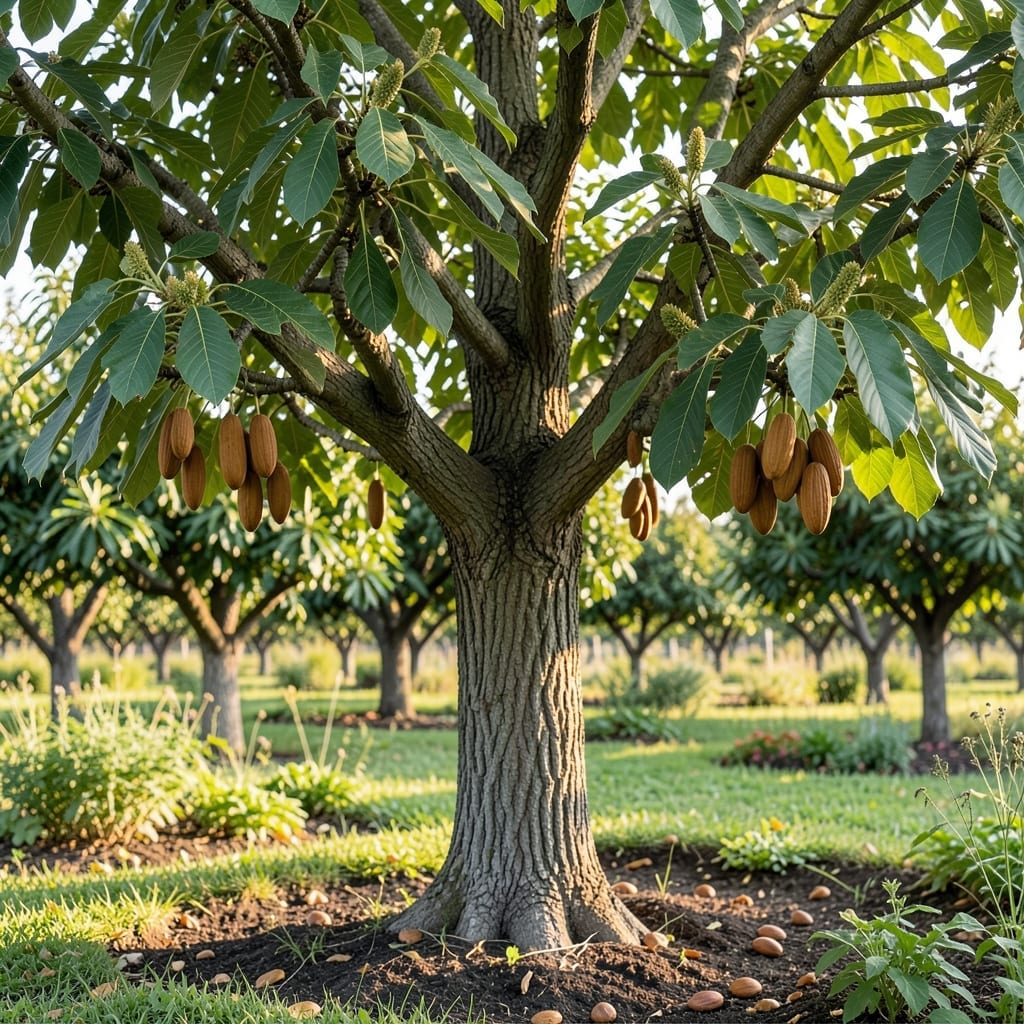
Watching a Pecan Tree 🌳 grow from a fragile sapling into a towering, nut-producing giant is one of gardening’s most satisfying long-term investments.
Understanding the key stages of its development ensures your tree builds strong roots, a sturdy trunk, and a bountiful harvest for decades to come.
Whether you’re planting your first tree or looking to improve an existing one, knowing what to expect at each phase makes all the difference.
Discover how to nurture your Pecan Tree through every critical growth stage for stronger, healthier results.


Watching a pecan tree transform from a tiny seedling to a towering giant is a rewarding journey. Each growth stage brings unique changes in height, canopy spread, and nut production potential.
Understanding these five critical phases helps you provide the right care at the right time. From germination to full maturity, your tree’s needs evolve significantly.
| Stage | Timeline | Height | Key Milestone |
|---|---|---|---|
| Germination | 0-3 months | 0-1 ft | Sprout emerges from soil |
| Juvenile | 1-3 years | 3-20 ft | Rapid vertical growth begins |
| Establishment | 4-6 years | 20-40 ft | Root system fully develops |
| Early Bearing | 7-10 years | 40-60 ft | First nut production |
| Full Maturity | 10+ years | 70-100 ft | Peak nut yield |
The germination stage is all about root establishment. Keep the soil consistently moist but not waterlogged. This phase is critical for long-term stability of your pecan tree.
During the juvenile stage, your tree will focus on vertical growth. Expect 1-2 feet per year in height. Prune lightly to encourage a strong central leader and balanced branches.
The establishment phase is when your pecan tree builds its foundation. The root system expands deeply, and the trunk thickens. This is the time to train the shape you want for maturity.
In the early bearing years, your tree starts producing nuts. Don’t be alarmed if the first harvests are small. The tree is still allocating energy to growth as much as to nut production.
At full maturity, your pecan tree becomes a landscaping centerpiece. It can produce hundreds of pounds of nuts annually. Ensure it has enough space—these giants need 70-100 feet of clearance.
Remember, pecan trees are long-lived investments. With proper care through each stage, your tree can thrive for over 100 years. Patience and consistency in watering, pruning, and fertilizing pay off handsomely 🌳
To help your pecan tree thrive, I focus on consistent watering and rich soil. Young trees need deep weekly watering, while mature ones tolerate drought better. Always water in the early morning to reduce evaporation.
A balanced fertilizer with 10-10-10 NPK supports growth. I apply it every 4-6 weeks during the growing season, adjusting to 1 lb per inch of trunk diameter. This boosts leaf development and nut production.
I’ve found that pruning in late winter prevents disease and shapes the tree. Use clean, sharp tools to remove crossing branches and improve airflow. This keeps the canopy healthy and productive.
Mulching is another game-changer. I spread 3-4 inches of organic mulch around the base, keeping it 6 inches away from the trunk. This retains soil moisture and suppresses weeds.
For optimal growth, ensure your pecan tree gets full sun. I plant mine in a south-facing spot with no shade. This maximizes photosynthesis and nut production.
Finally, monitor for pests like aphids or scab disease. I use neem oil or copper fungicides as needed. Healthy trees resist issues better, so consistent care is key. 🌳