
Beautiful Plants For Your Interior
Beautiful Plants For Your Interior
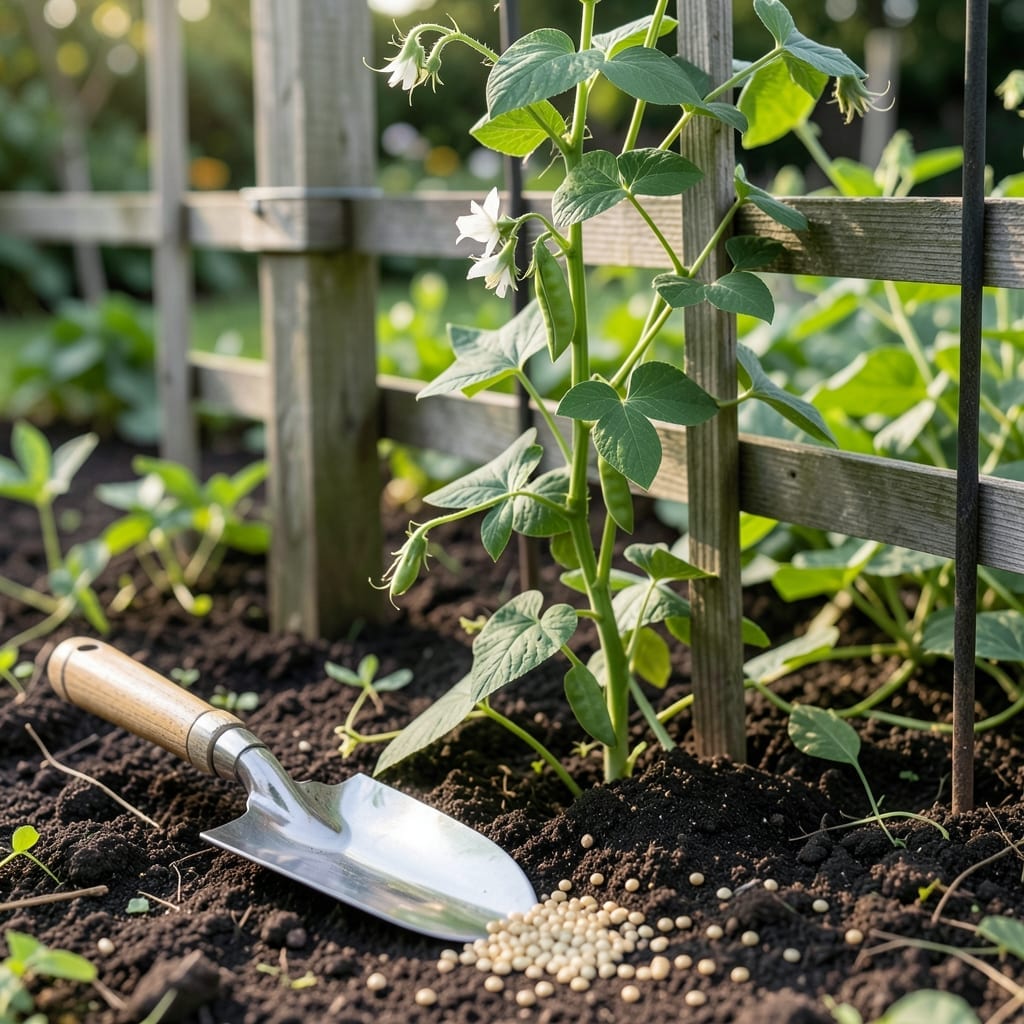
Timing your pea planting perfectly can mean the difference between a bountiful harvest and a disappointing yield. I’ve learned the hard way that February to April is the sweet spot for 🌱 Peas in zone 6.
Getting this right ensures crisp, sweet peas all season long. The key is understanding your local climate and soil conditions.
I’ll share the ideal schedule and tips to maximize your yield. Whether you’re a beginner or seasoned gardener, these insights will set you up for success.
Discover how to plant at the optimal time and watch your garden thrive. Let’s get those Peas in the ground at just the right moment.
I’ve found that peas thrive as a cool-season crop, so timing is everything. The best approach is to plant them 4-6 weeks before your last spring frost date. This ensures they mature before the heat of summer sets in.
In milder climates like USDA zones 7-9, you can even plant peas in the fall for a second harvest. They tolerate light frosts, but temperatures above 75°F can stunt their growth.
| Climate Zone | Planting Window | Best Months |
|---|---|---|
| Zones 1-3 | Early Spring | April-May |
| Zones 4-6 | Early Spring, Late Summer | March-April, August |
| Zones 7-9 | Fall-Winter-Spring | Feb-March, Sept-Oct |
For zone 6, where I garden, the ideal window is February to April. I aim to get seeds in the ground as soon as the soil is workable, even if it’s still chilly.
If you’re in a warmer zone, like zone 9, you can plant peas as early as January or as late as October. The key is avoiding the peak summer heat.
I always check my local frost dates to fine-tune the timing. A soil thermometer helps confirm temperatures are between 40-70°F, which is perfect for germination.
For a fall harvest, count backward from your first frost date. Plant peas 8-10 weeks before the first expected frost to allow enough time for maturation.
Succession planting works well with peas. I sow a new batch every 2-3 weeks to extend my harvest season. This way, I enjoy fresh peas for months.
In container gardens, start peas even earlier since pots warm up faster than ground soil. Just ensure your containers have good drainage and are at least 6 inches deep.
Finally, remember that sugar snap peas and snow peas are more heat-tolerant than shelling peas. They’re great for pushing the planting window a bit later in spring.
With the right timing, you’ll have plump, sweet peas ready to harvest in about 60 days. Happy planting! 🌱
I always check my soil temperature before planting peas, as it’s more important than air temperature. Peas germinate best in 40-70°F soil, and planting too early in cold soil can cause rot.
In my experience, using a soil thermometer at 2-3 inch depth gives the most accurate reading. I aim for at least 45°F for reliable germination.
🌱 Pro Tip:
If your soil is too cold, cover the bed with black plastic for a week to warm it up before planting.
I’ve found that sandy soils warm faster than clay in spring. Adding organic compost can improve both warmth and drainage for better pea growth.
For fall planting, I monitor soil temps as they drop. Planting when soil is still above 60°F allows seeds to establish before winter cold.
Remember that consistent moisture is key during germination. I water gently but regularly, keeping soil evenly damp but never soggy.
In my garden, peas planted in 50-60°F soil typically sprout in 7-10 days, while colder soils may take up to 3 weeks. Patience pays off! 🌱